
Published on
What Is an FIBC? Bulk Bag Types A, B, C and D Explained
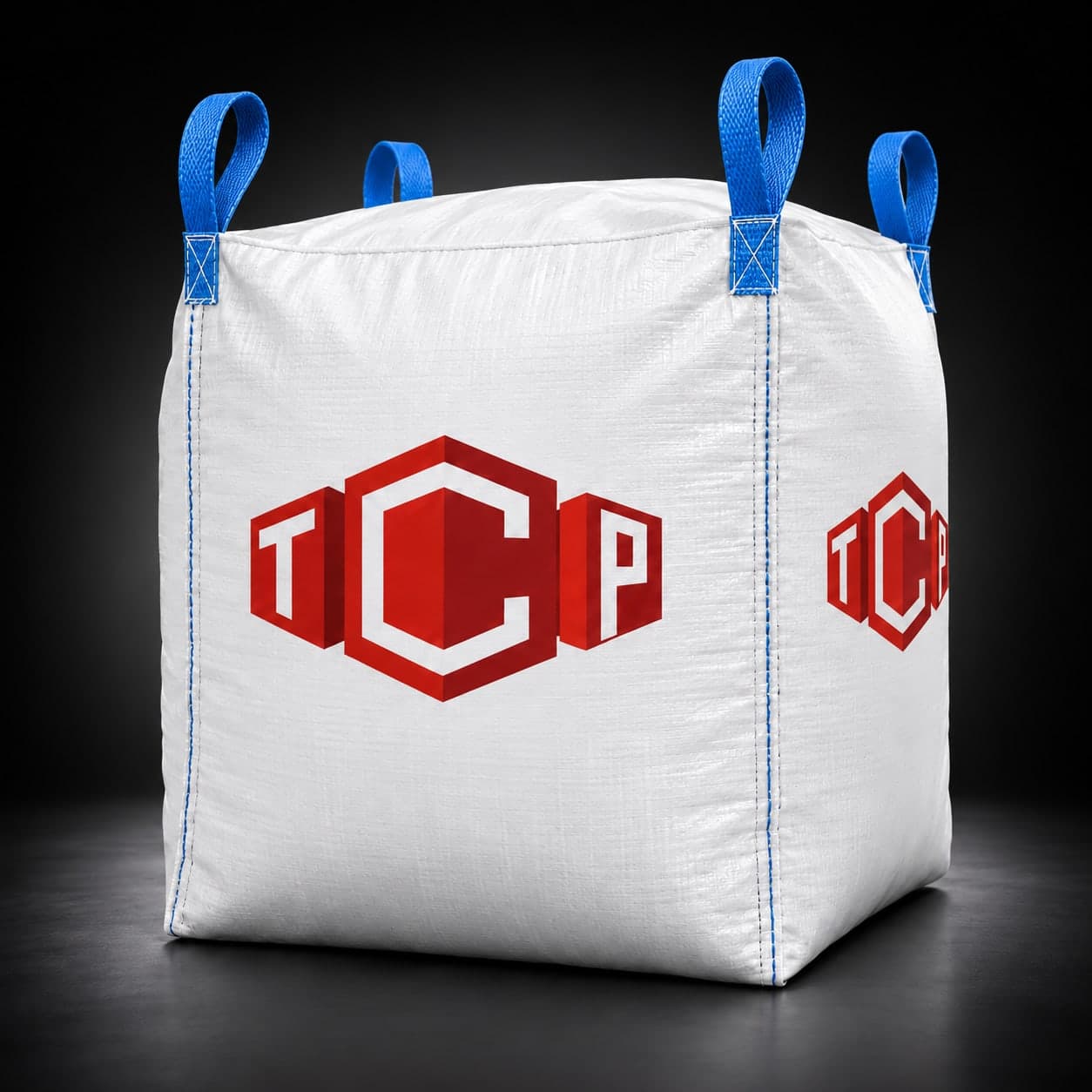
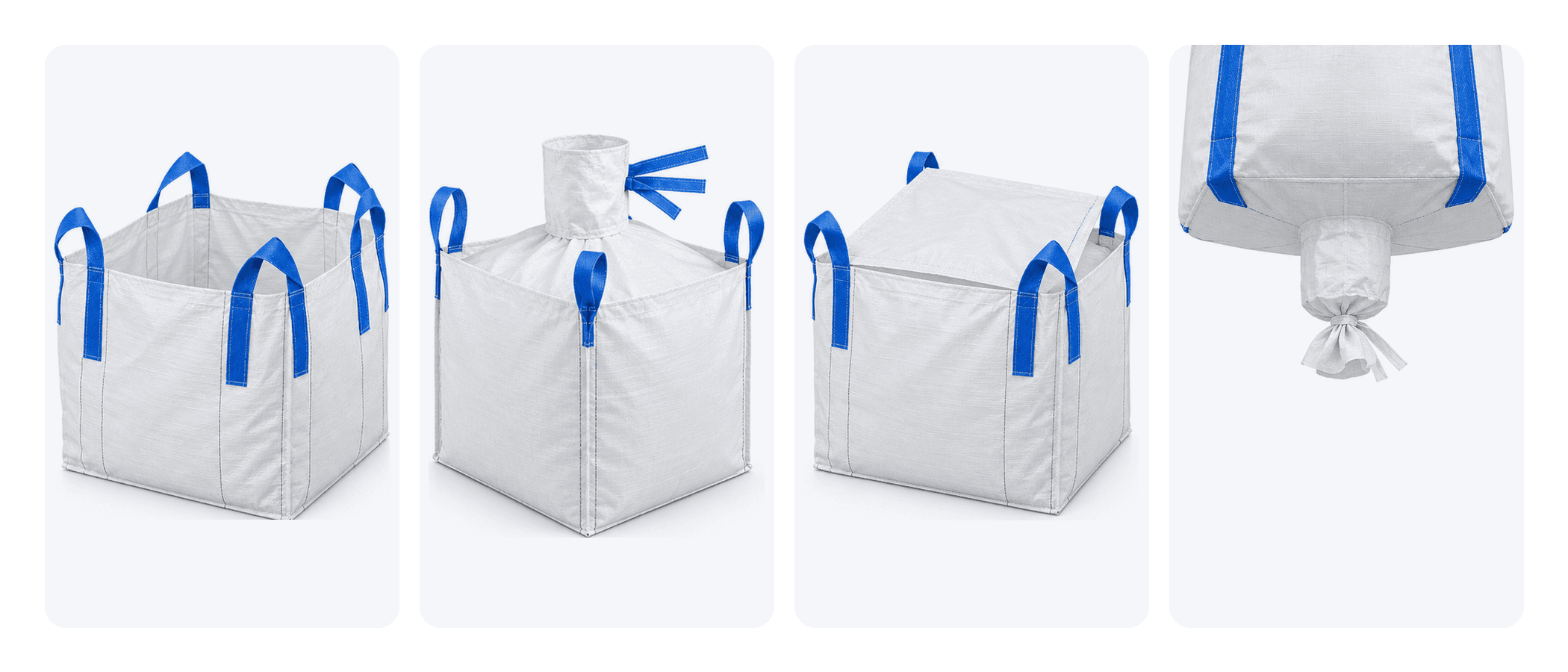
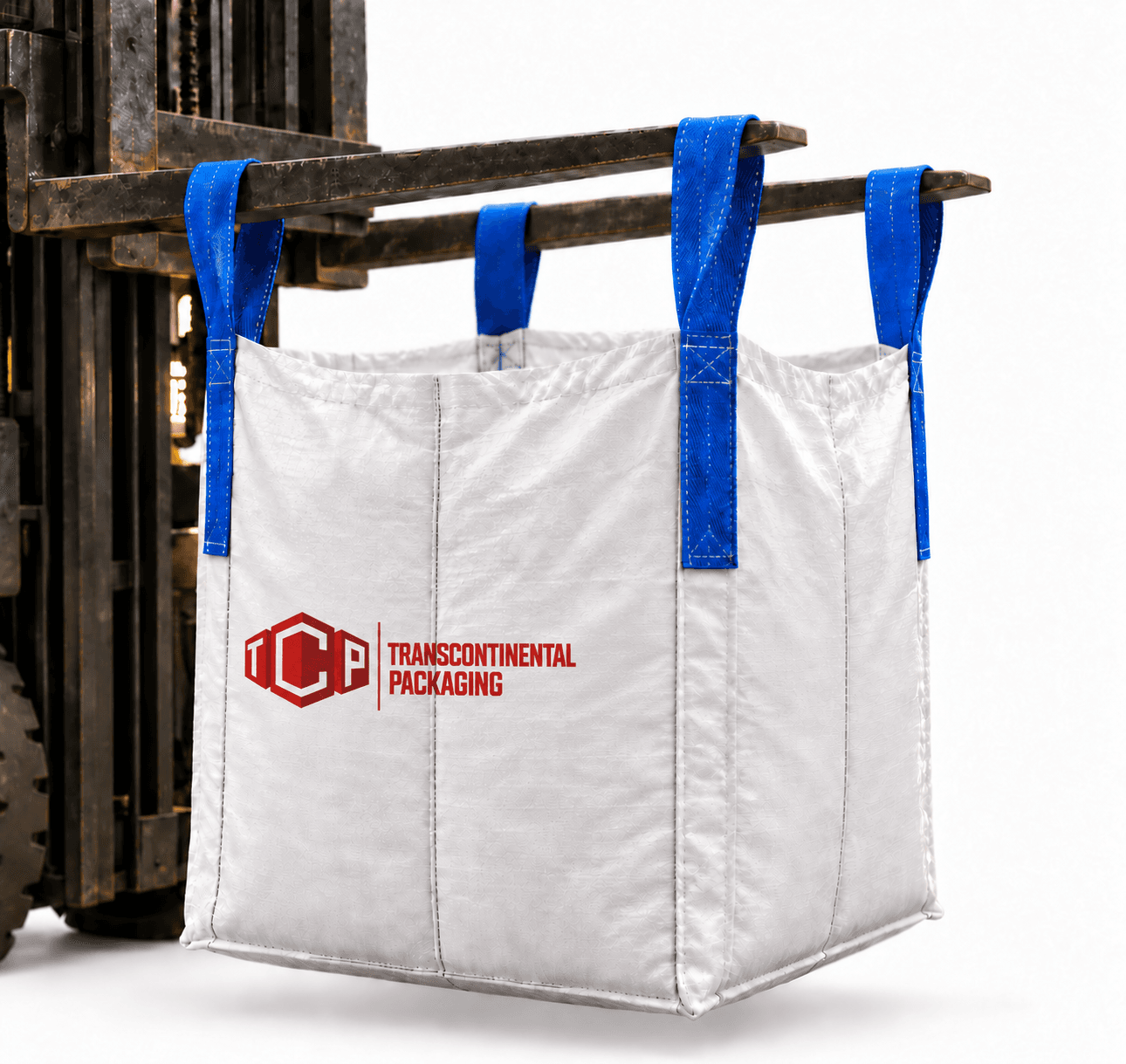
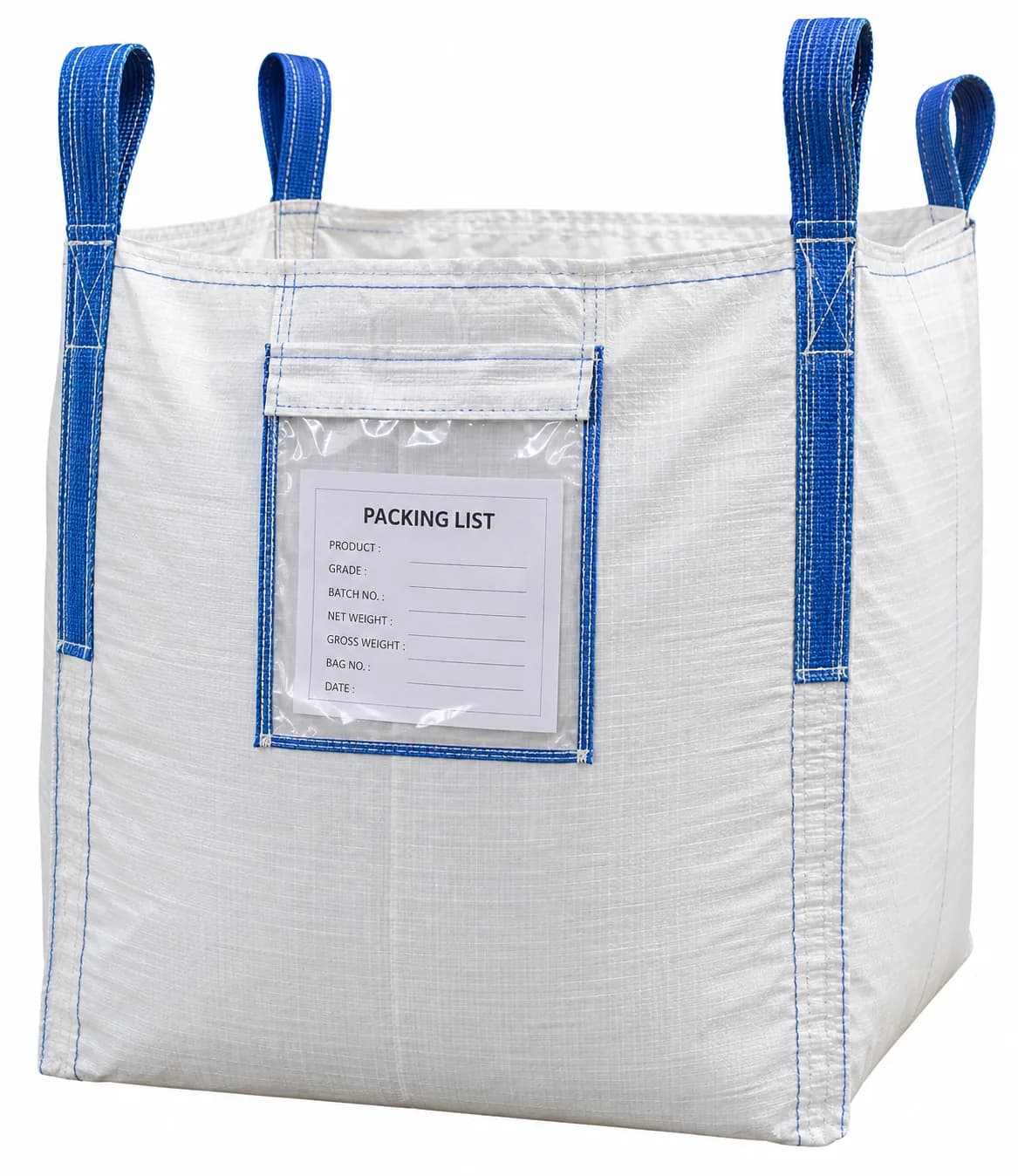
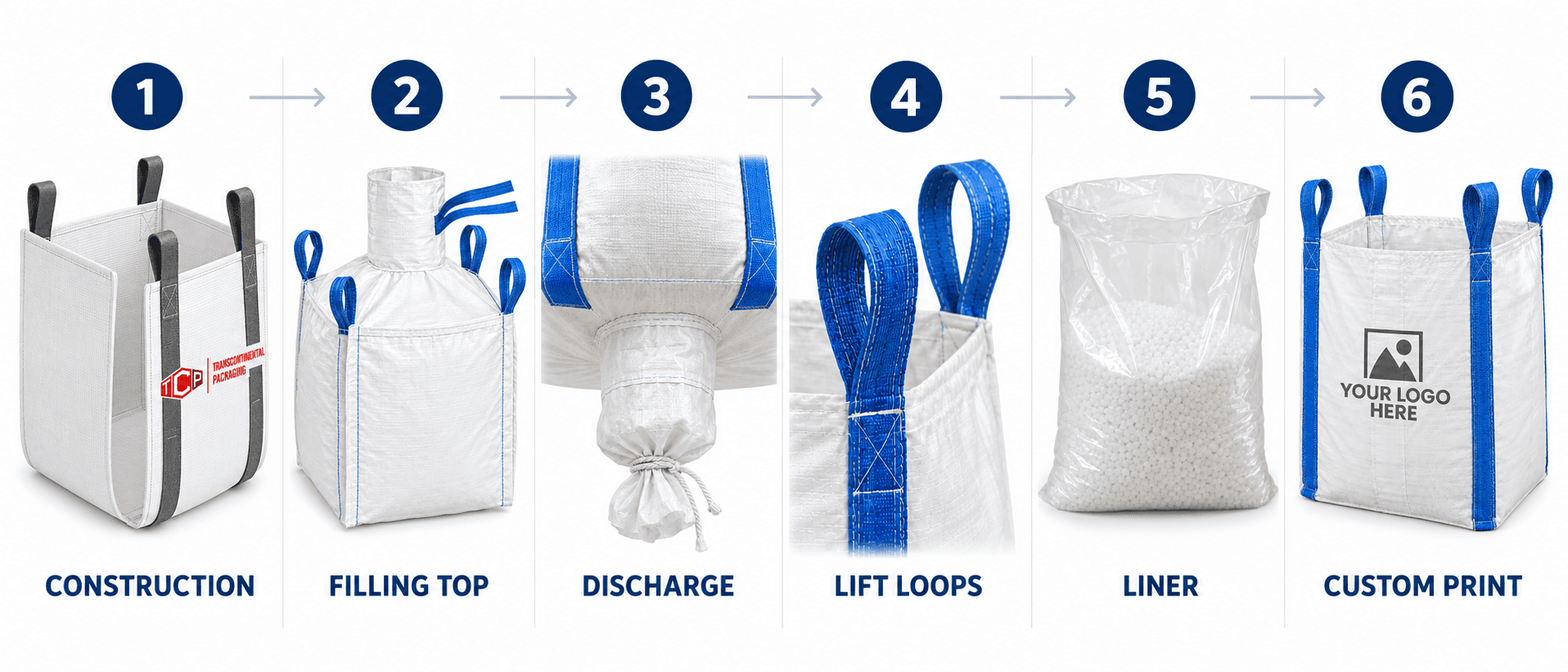
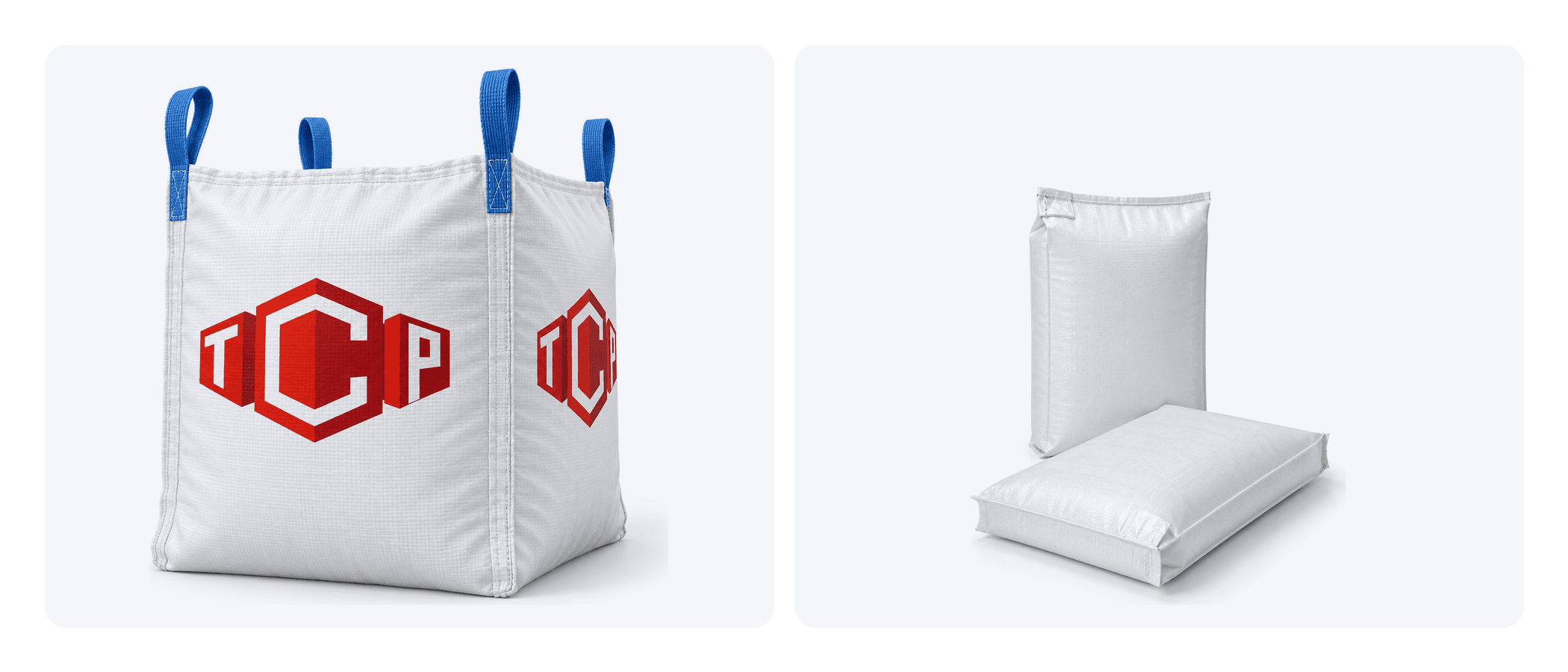
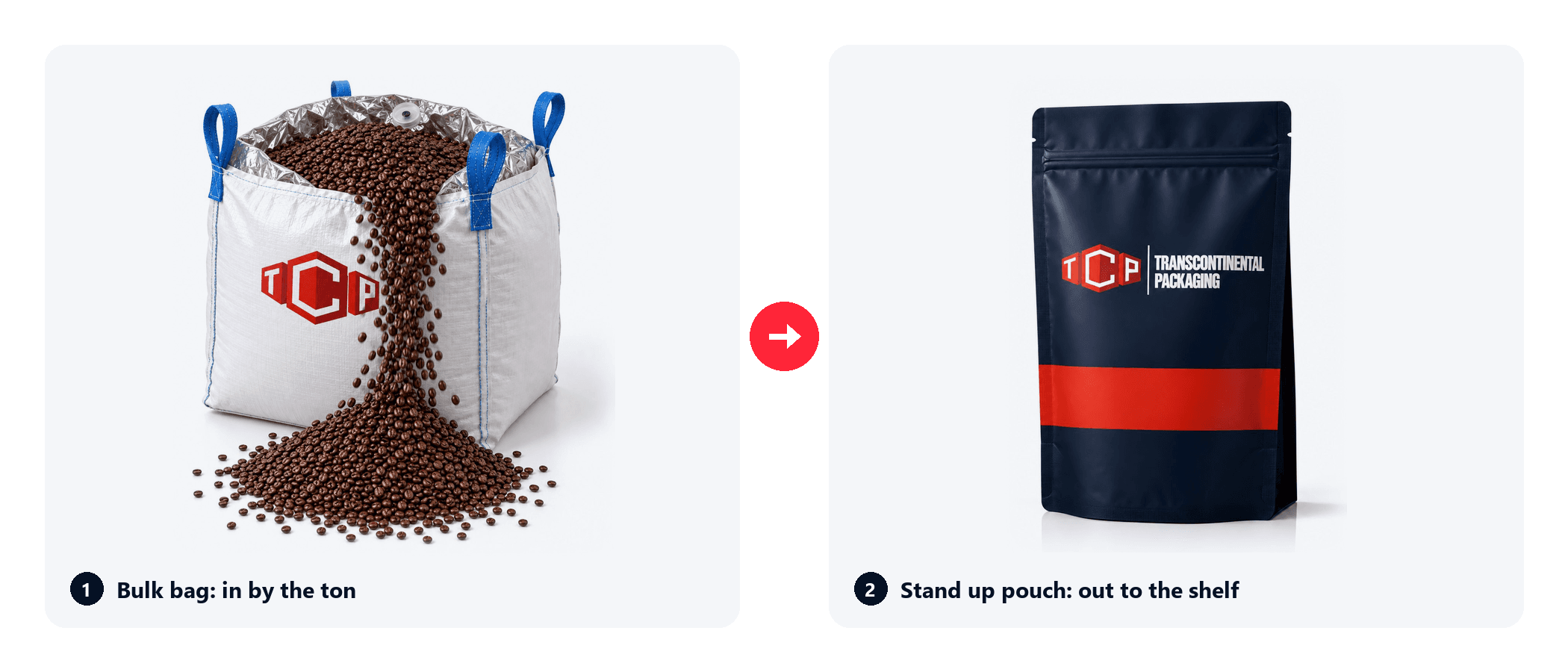
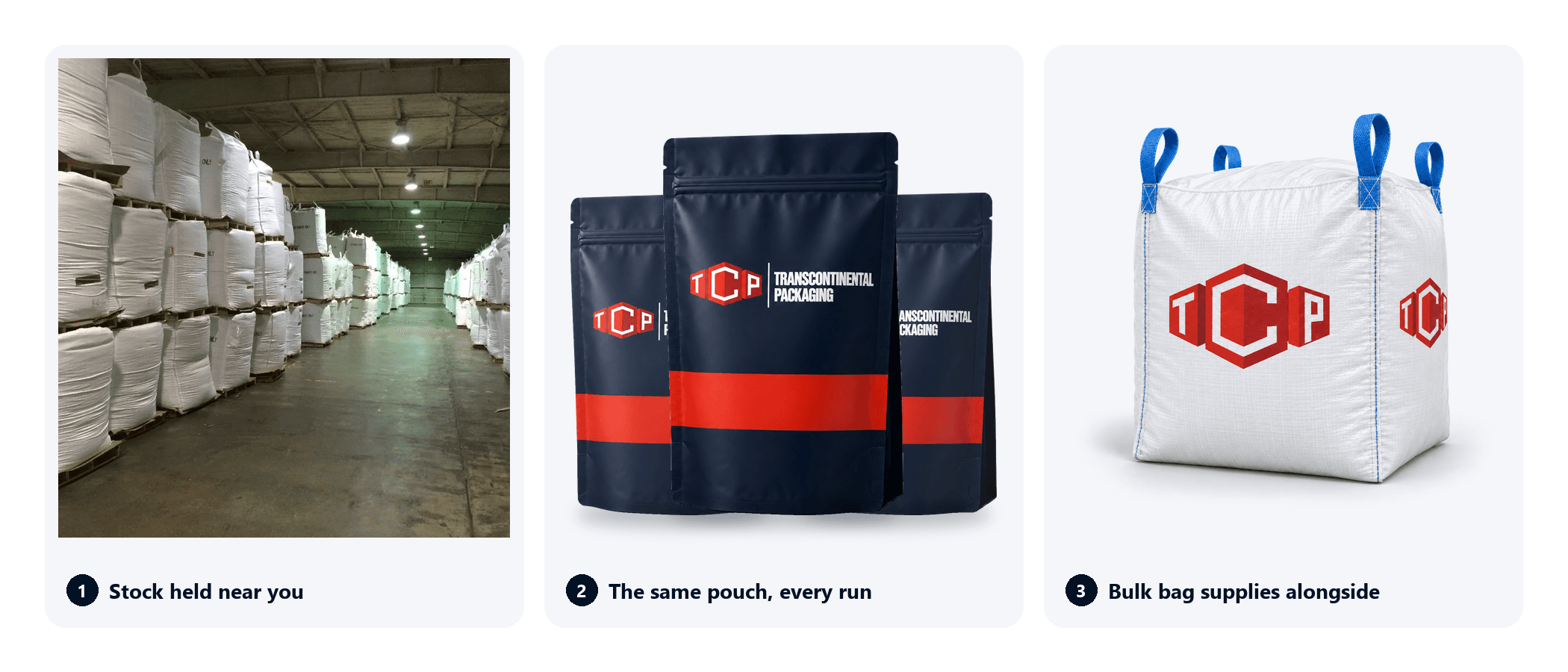
An FIBC, short for flexible intermediate bulk container, is a large bag sewn from woven polypropylene fabric and built to store and move dry product by the ton. On most plant floors it simply goes by bulk bag or big bag. It fills from the top, lifts by loops sewn into the body and empties through a spout or an opening in the base.
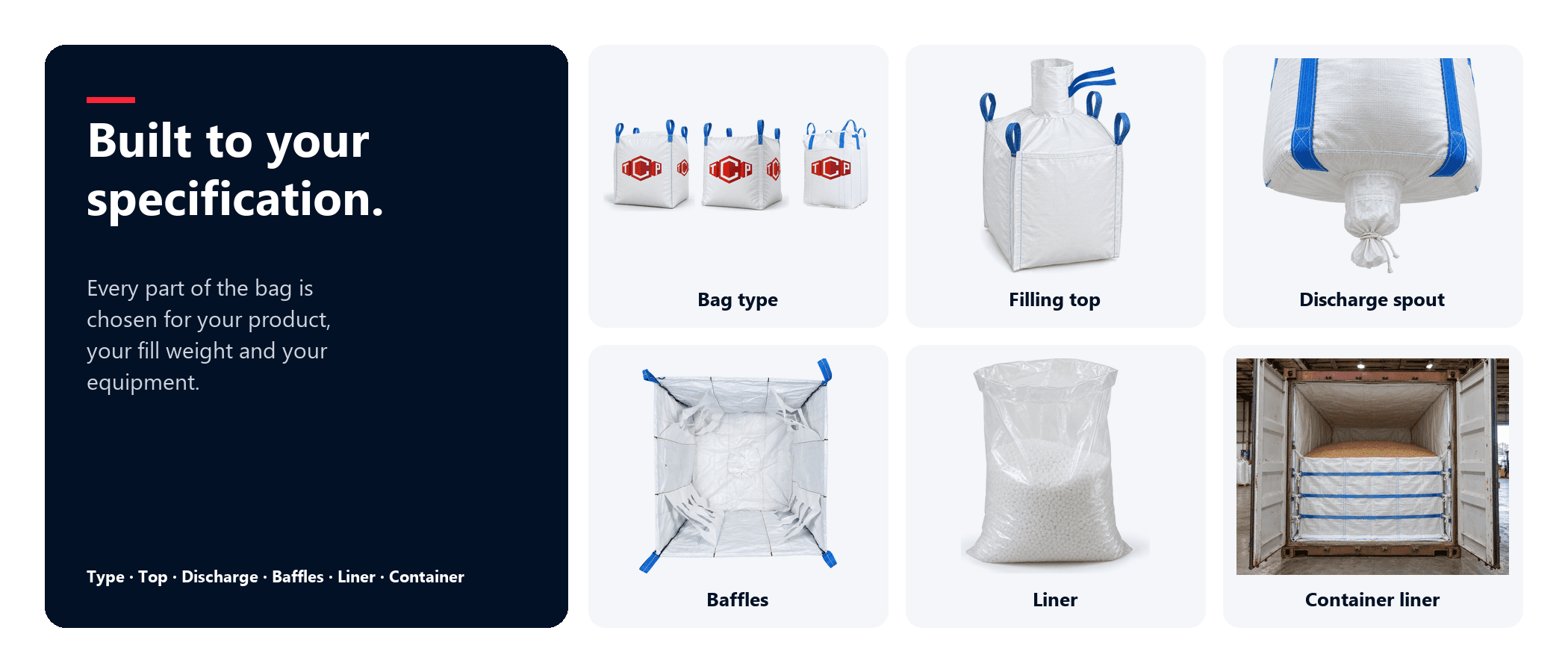
Buying one well means specifying it, not picking it off a shelf. Each decision below changes the bag you end up with.
What an FIBC is, and why it has that name
Each word in the name does a job. Flexible, because the bag folds flat when empty and takes its shape from the load. Intermediate, because it sits between a 25 kg sack and a silo, railcar or tanker. Container, because one bag does the work of a pallet stacked with small sacks.
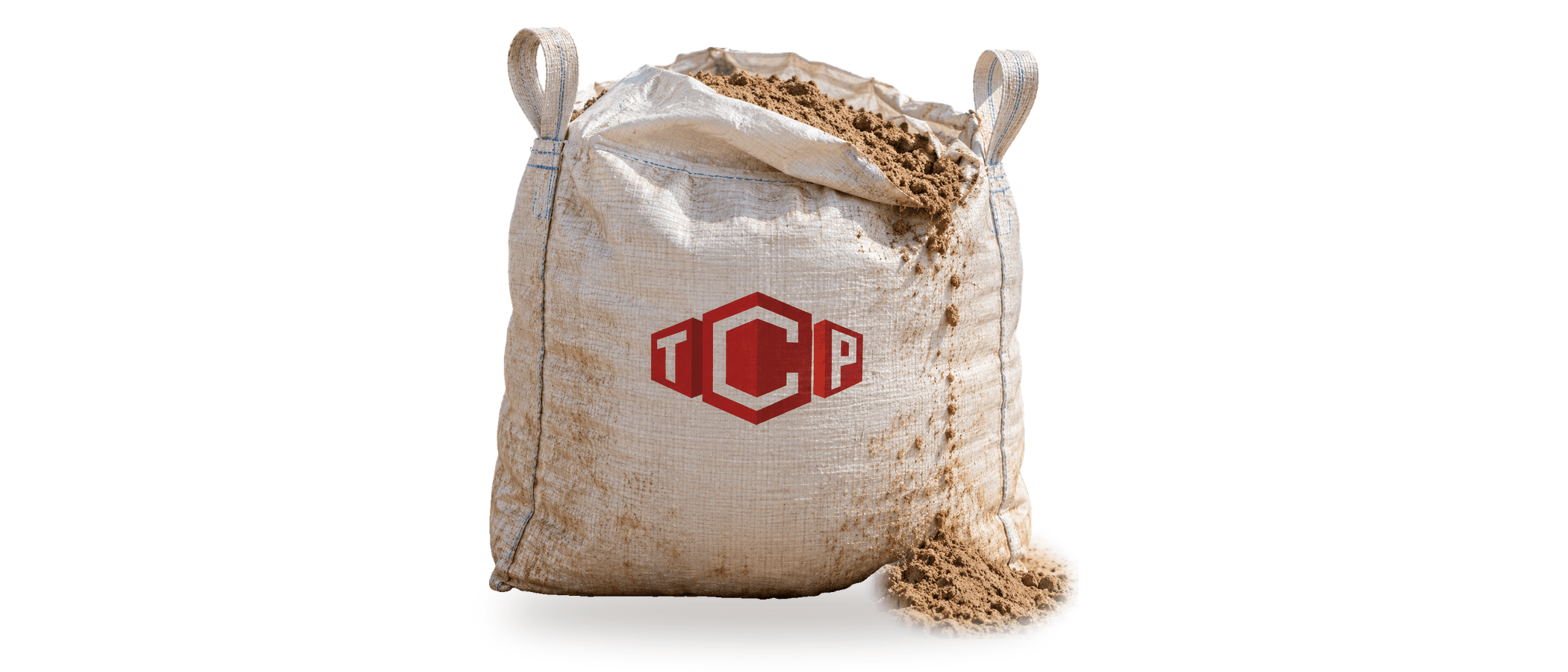
FIBC bags carry almost anything dry that pours: resin pellets, sand, sugar, animal feed, mineral powders, crumb rubber. They are not meant for liquids.
What FIBC bags are made of
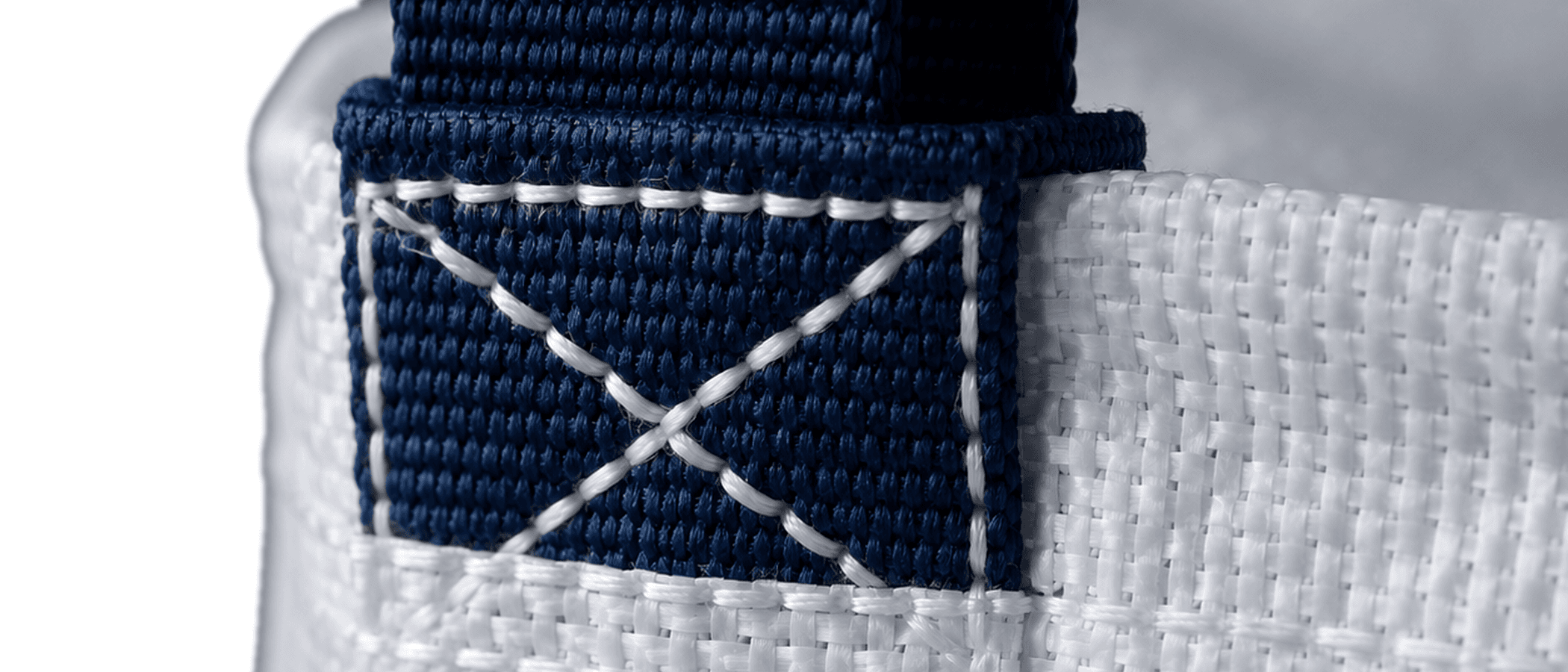
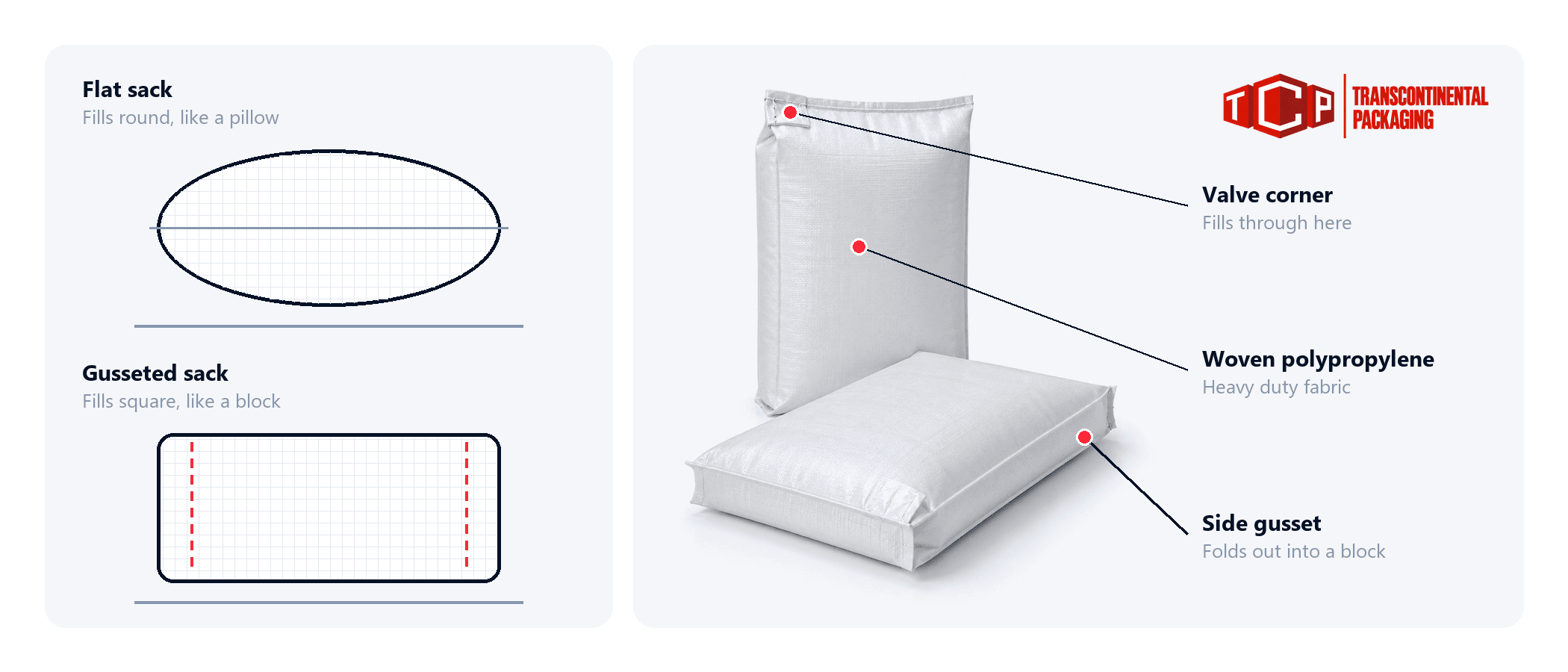
The body is woven polypropylene. Resin is extruded into film, slit into narrow tapes, stretched for strength and woven on a loom into a light, tough cloth. The lift loops are heavier polypropylene webbing.
Uncoated fabric breathes and is the default. Coated fabric adds a thin polypropylene layer over the weave to hold fine powder in and keep moisture out. Food and pharmaceutical grade are a separate matter: they govern the resin and the production environment.
How a bulk bag is built: U-panel, four-panel and circular
- U-panel. One long panel makes up two opposite walls and the floor, and two more panels close the gaps. The load rests on continuous fabric rather than stitching, which is why it is our default recommendation. It bulges more than the others when filled.
- Four-panel. Four separate panels are sewn at the corners, so the bag holds a squarer shape, palletizes tighter and wastes less container space. The trade-off is more seams, each one a path for fine powder.
- Circular. A circular FIBC is woven as one continuous tube, with only the top and base sewn on. No vertical seams means no route out for fine product, and it costs the least to produce. It rounds out when filled and stacks least efficiently.
Baffles are an option, not a construction: inner corner panels that keep a full bag square rather than bulging.
FIBC static types: A, B, C and D
Filling and emptying a bag generates static. Powder sliding over polypropylene charges the product and the fabric, and a charged bag can throw a spark that ignites combustible dust or solvent vapor. The international standard IEC 61340-4-4 sorts FIBCs into four types by how they handle that charge.
Static type is the one specification you can't afford to guess. The material and the site decide it, never the price.
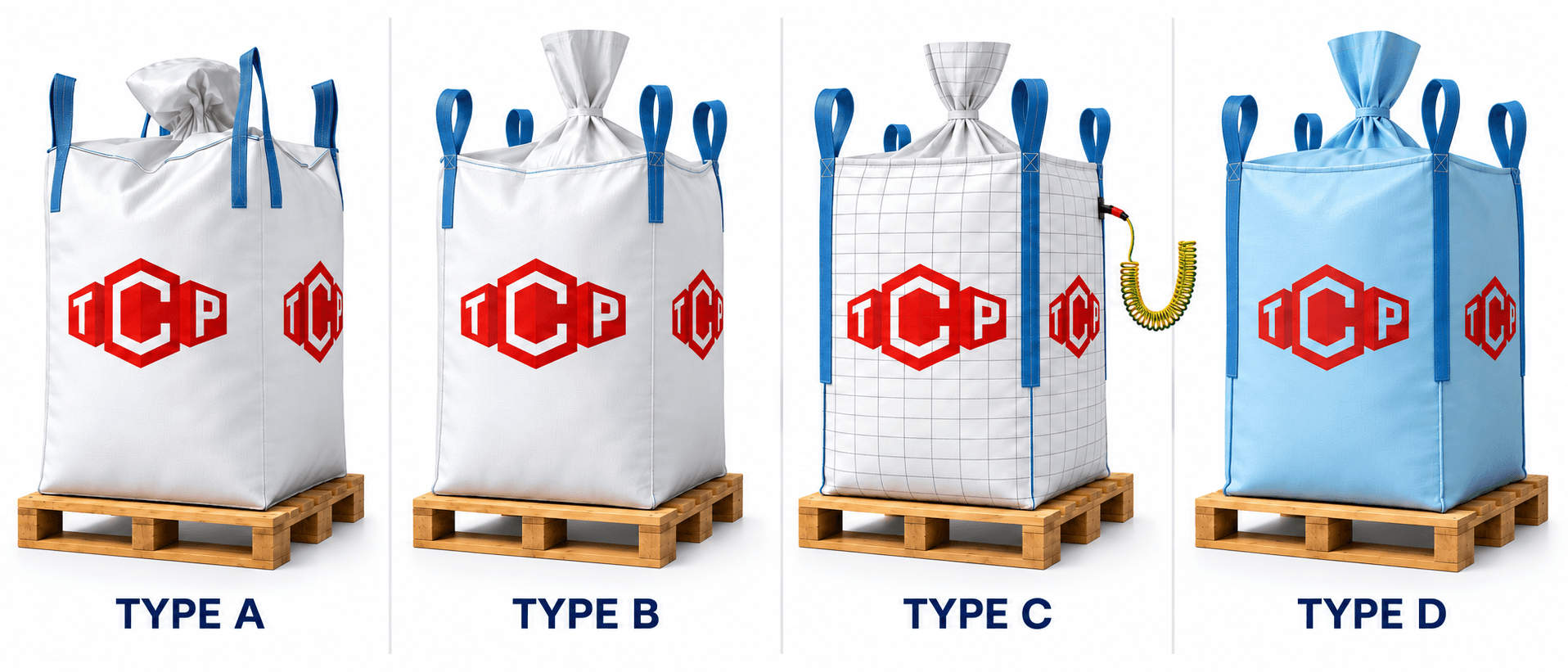
- Type A. Plain woven polypropylene with no static protection at all. Use it only where no flammable dust, vapor or gas can reach the filling or discharge point.
- Type B. Low-breakdown-voltage fabric that stops propagating brush discharges, the most energetic kind. It suits dry flammable powders whose minimum ignition energy (MIE) is above 3 mJ, and only where routine static discharge is ruled out. It is not antistatic and gives no protection around flammable vapors or gases.
- Type C. Conductive threads run through the fabric in a connected grid that ends in grounding tabs. A Type C conductive FIBC is safe with flammable powders and vapors, but only if it is grounded at every fill and every discharge. Ungrounded, it is more hazardous than a Type A.
- Type D. Static-dissipative fabric releases charge into the surrounding air, so nothing needs grounding. A Type D bag covers the same hazards as Type C without depending on the operator. Grease, water or a heavy dust film on the fabric can impair it.
| Type | Flammable dust | Flammable vapor | Grounding |
|---|---|---|---|
| Type A | No | No | Not required |
| Type B | Yes | No | Not required |
| Type C | Yes | Yes | Required |
| Type D | Yes | Yes | Not required |
Classification per IEC 61340-4-4.
Picture a plant filling resin powder where a solvent is in use. Types A and B are out. If every filling station has a verified ground point that operators always use, Type C is the proven choice. If the filling point moves, shifts turn over often or nobody can promise the clamp goes on, specify Type D.
If nobody has measured your powder's MIE, assume it is low until a test says otherwise. That means Type C or Type D, not Type B.
Related pages: Type A and Type B bags, and the industries where static protection matters most, such as chemical and pharmaceutical.
Nothing here replaces a hazard assessment of your site. Confirm the static type with your safety officer before you order.
Safe working load and safety factor
Safe working load (SWL) is the rated maximum weight of product a bag can carry in normal use. The bag's own weight does not count toward it.
The safety factor is the margin designed in above that rating. A 5:1 safety factor means the bag design is tested to hold five times its SWL before it fails. Our bags are built to 5:1, and UN certified bags to 6:1. The margin absorbs real handling, like a forklift lifting by the loops and setting the bag down hard. It is not spare capacity, so never fill past the SWL.
For scale, industry-typical SWLs for the three standard constructions run from about 2,205 lb (one metric ton) to 3,000 lb. Treat those figures as indicative. We size each bag to your fill weight and material density.
When to add a liner
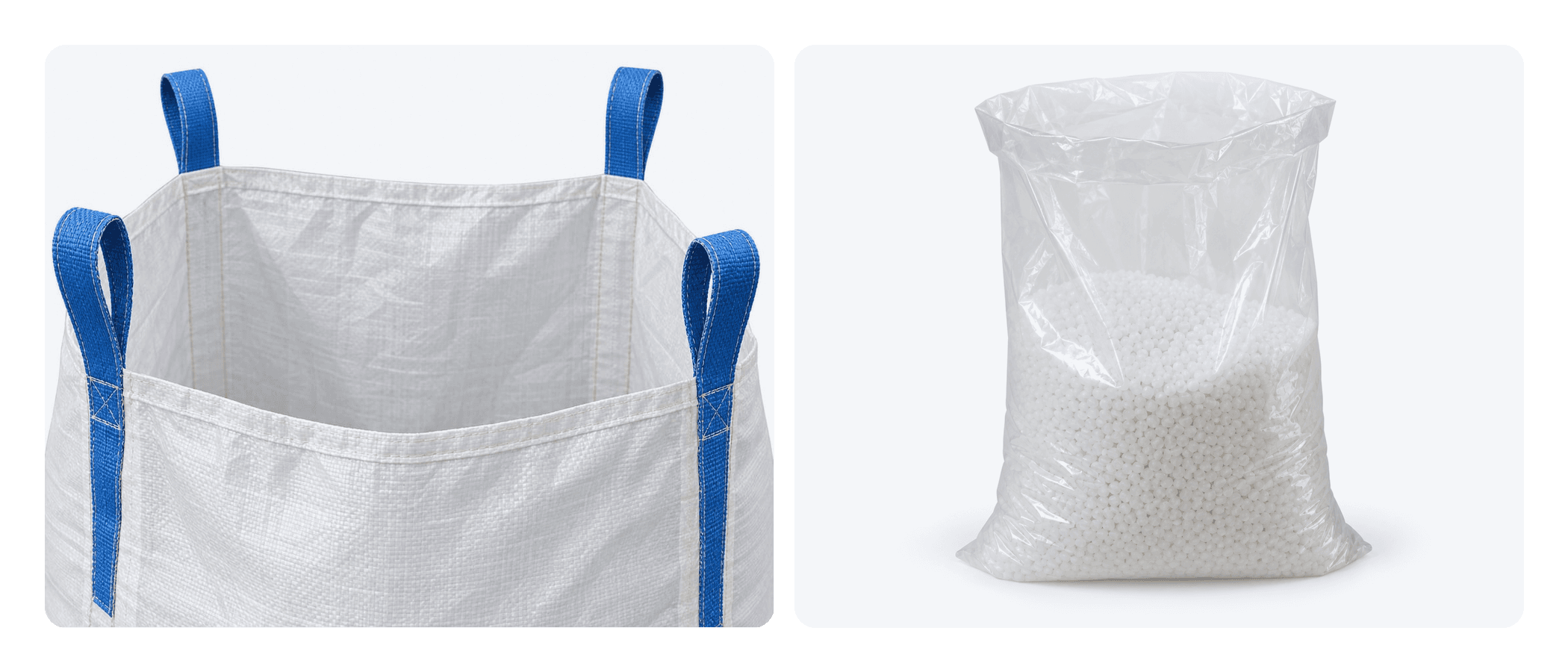
Most FIBCs ship without a liner. A polyethylene liner goes inside when the product needs a barrier the weave cannot give, against moisture, contamination or fine powder escaping through the seams.
FIBC liners come loose, glued in or tabbed, from 2.5 to 3 mil for standard duty, with heavier liners up to 9 mil. Glued-in liners stay put through filling and discharge, as food and pharma auditors expect. Foil liners are for product filled hot, above 165°F.
One rule catches buyers out: an ordinary polyethylene liner can cancel the static protection of a Type B, C or D bag. In Type C or D, specify an antistatic liner so liner and fabric carry the same classification.
How to choose the right FIBC
Start from the hazard and work outward. These are the questions we ask on every order:
- What is the material, and is it a combustible dust? If so, what is its MIE?
- Could flammable vapors, gases or solvents be present where the bag is filled or emptied?
- Is there a verified ground at every filling and discharge point?
- How much will each bag carry, and how dense is the product?
- Is it a fine powder, or does it take up moisture?
- How do you fill, empty and lift it?
- Does it have to meet a food, pharmaceutical or UN standard?
Answer those and the specification mostly writes itself. Browse our full range of FIBC bulk bags, or build your bag step by step in our specifier, which asks the same questions and returns a recommended build.
If your material or site does not fit neatly into any of this, send us the details. We build to your specification.
Explore our packaging product range or visit the Transcontinental Packaging homepage to learn about our company and the industries we serve.