
Published on Updated on
FIBC Safe Handling: Before You Fill or Lift
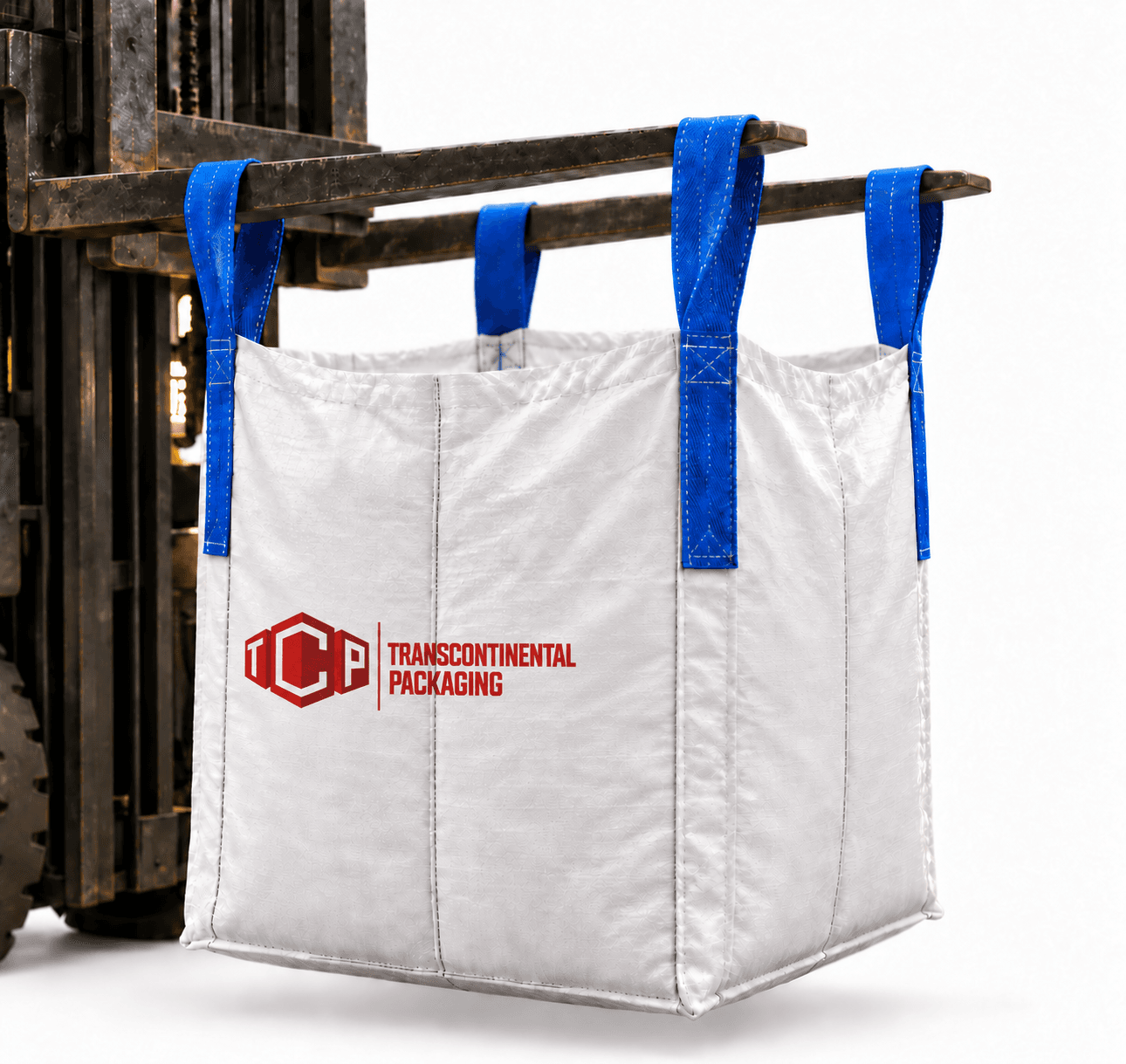
Before the first bag is filled, make sure the team has the instructions for that FIBC and the equipment they will use. Safe bulk bag handling starts with those details. Keep them at the work area, where the people filling and unloading can check them.
Bulk bag safety: checks before work begins
These checks summarise selected points from FIBCA's safe handling guidance, linked below. They are a starting point, not a complete operating procedure.
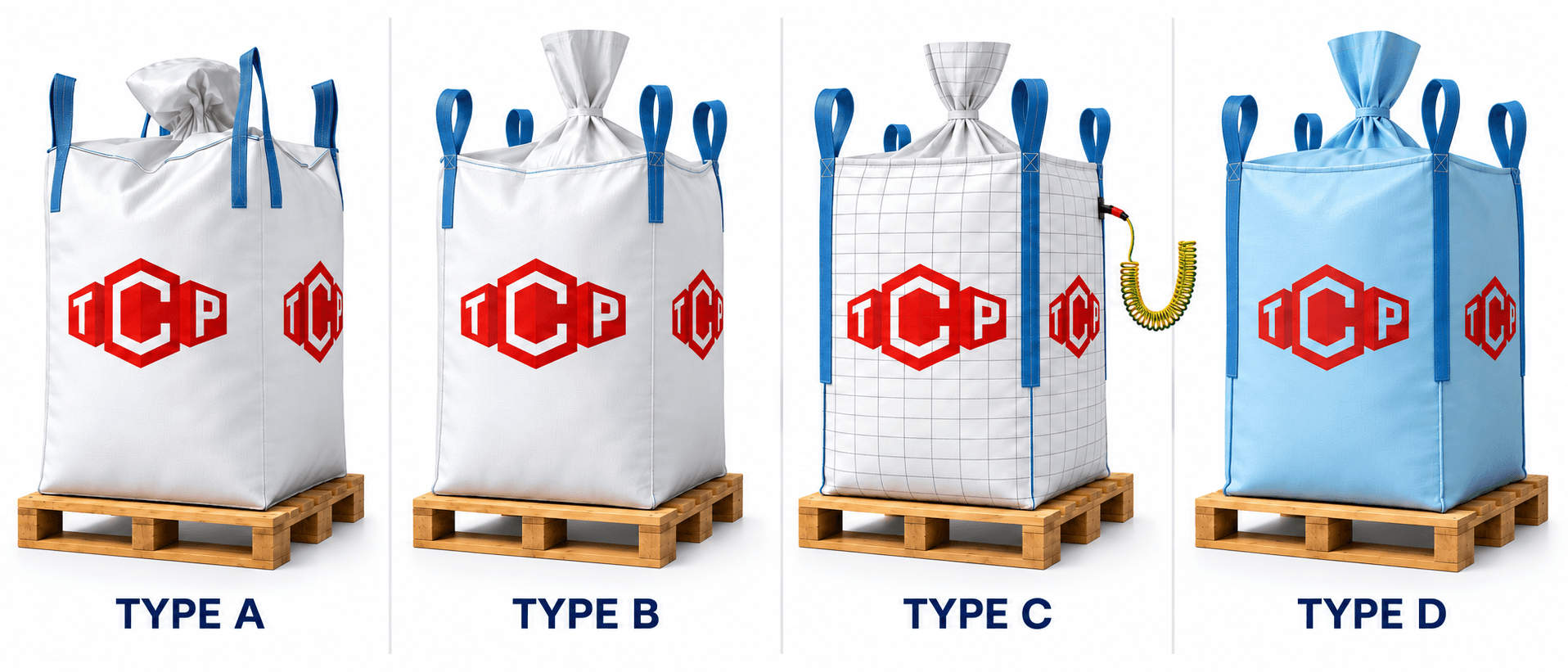
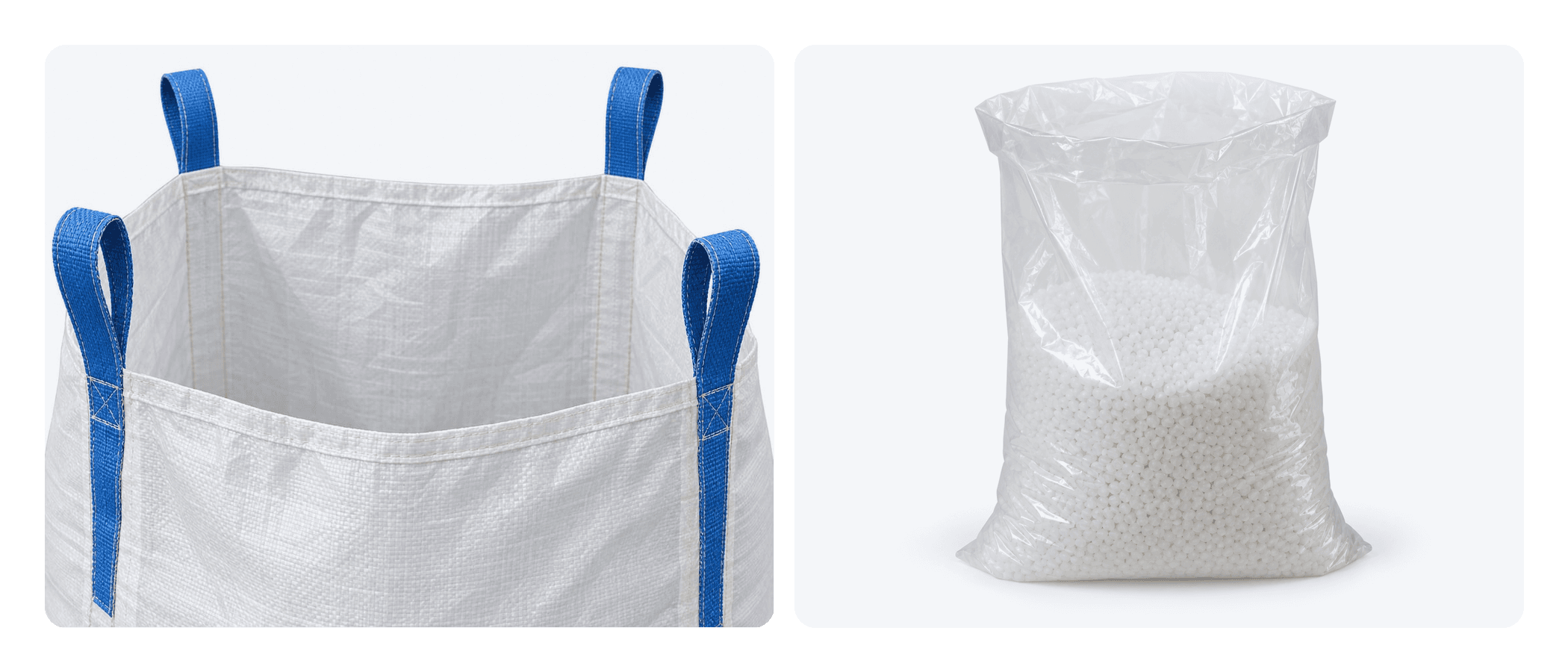
- Confirm the bag and FIBC liner suit the material and handling environment.
- Read the rated safe working load; do not exceed it.
- Check for damage and consult the supplier before using a damaged bag.
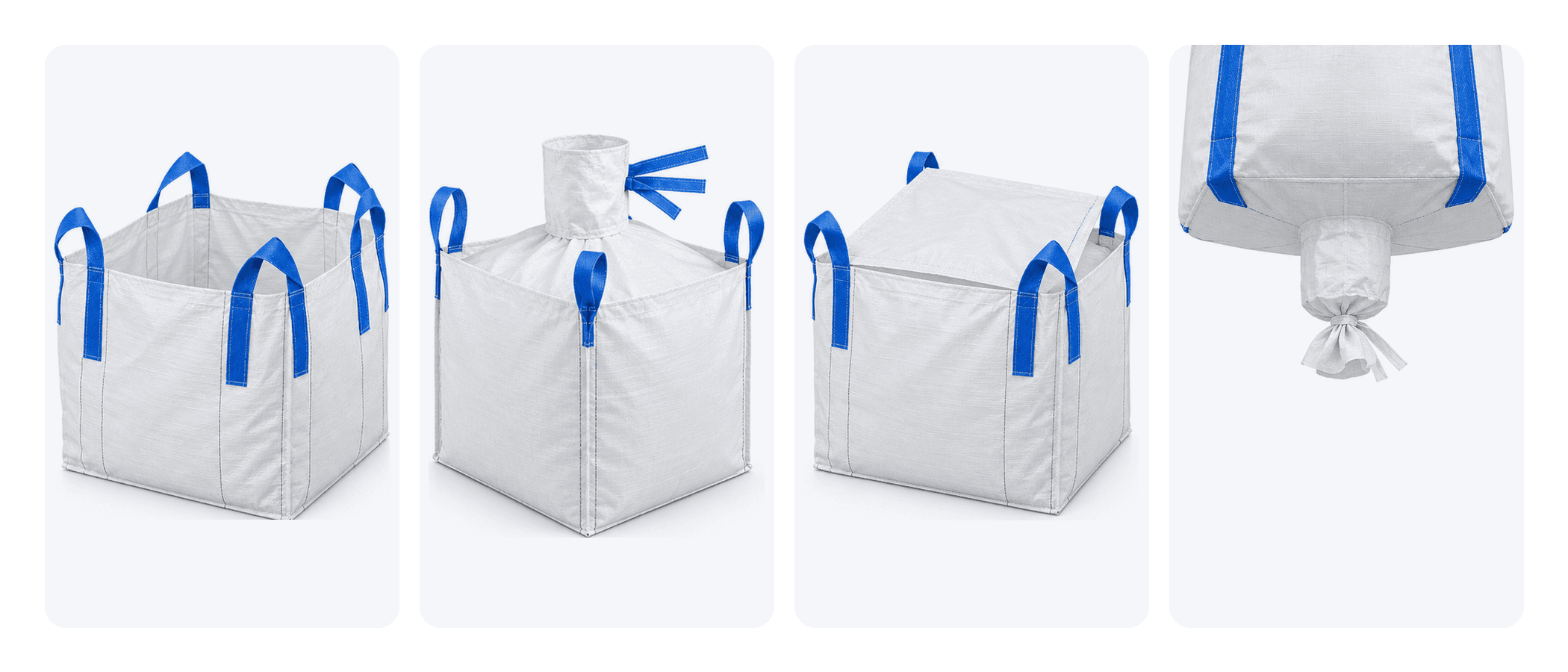
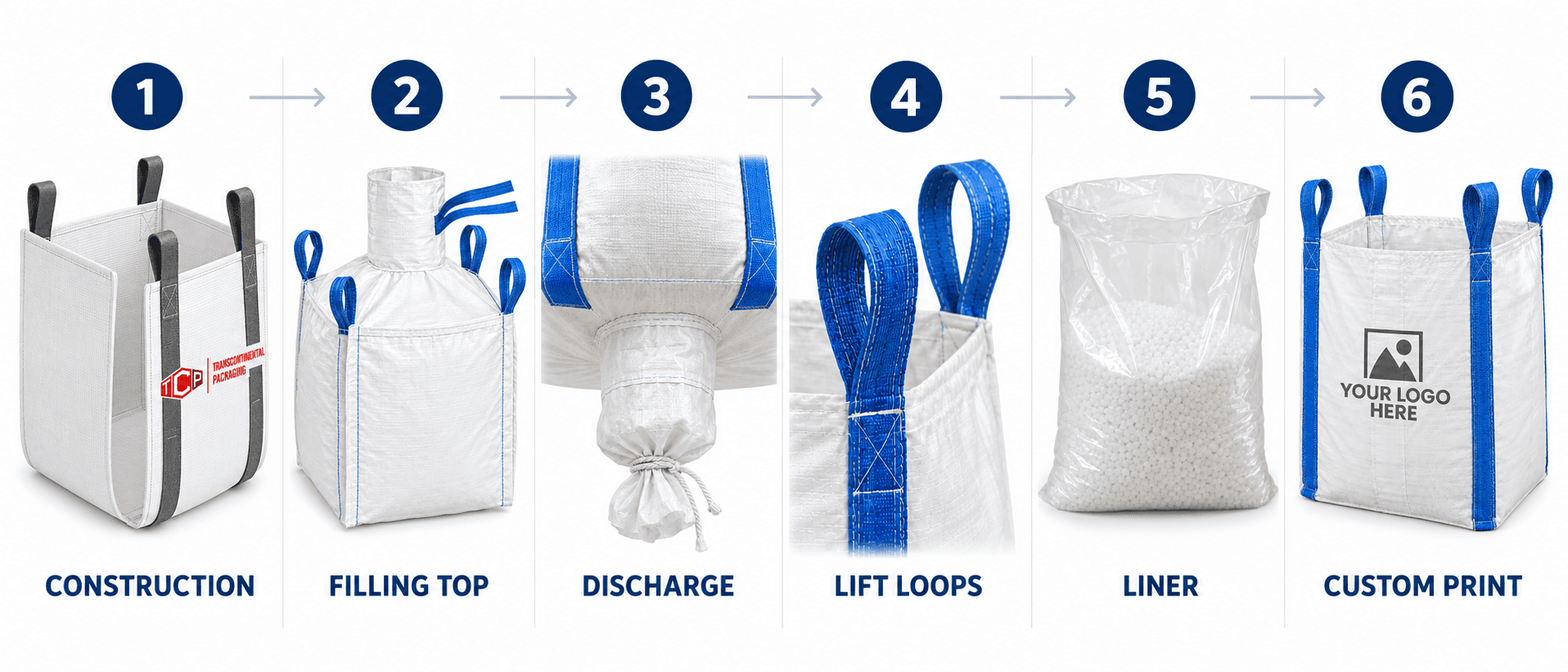
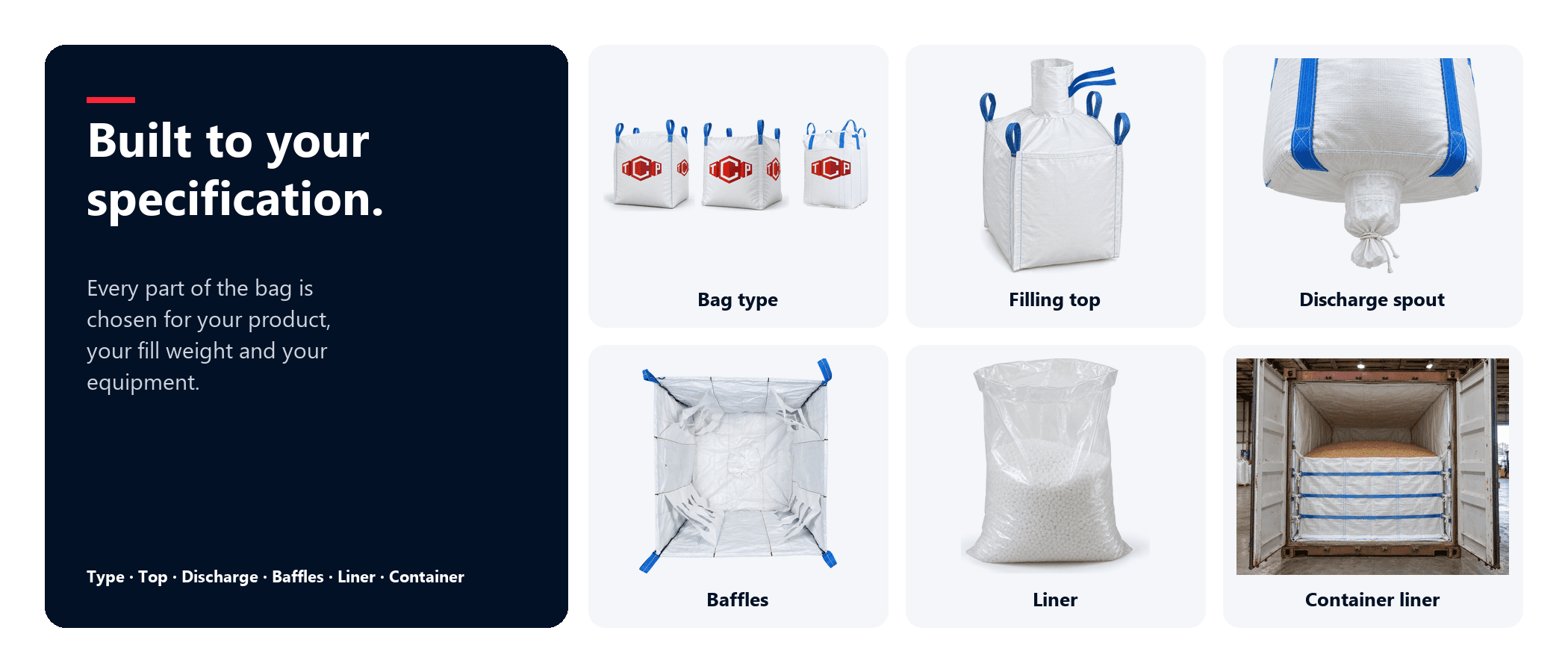
- Confirm the discharge closure and lifting equipment follow the manufacturer's instructions.
- Use all provided lifting points as instructed. Keep people clear of suspended bags.
Check what has changed on a repeat order
The bags may look like the last delivery, but has the liner or closure changed? Does the approved drawing still match? Keep that drawing with the order details, and pass any agreed changes to the filling and unloading teams before the next shift.
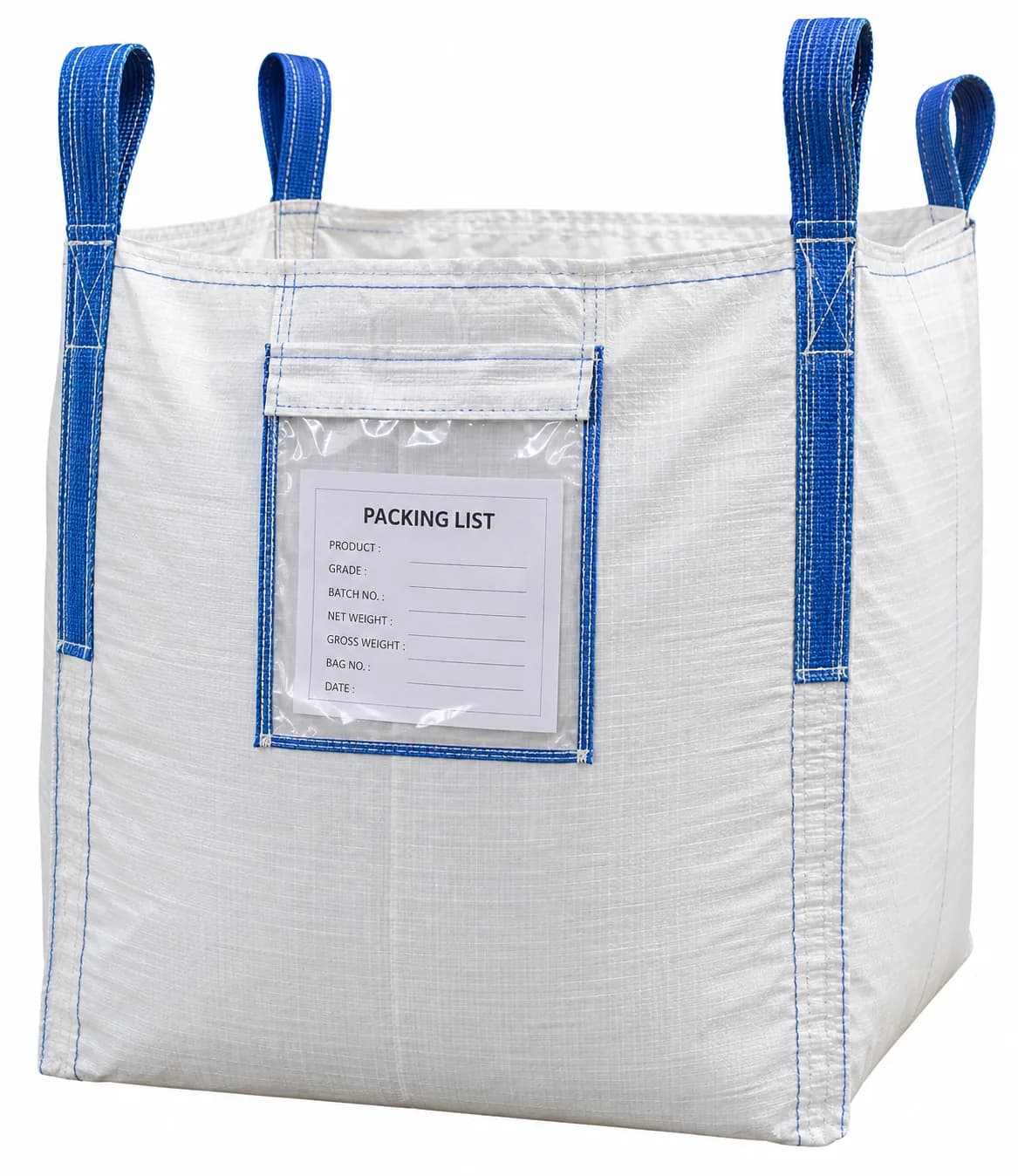
If you cannot read a label or a bag does not match the agreed specification, pause and ask. Contact our team with the order reference and a description of the problem so we can review it with you.
Read the full FIBCA guidelines alongside your supplier's instructions and site procedures. This checklist does not replace task-specific assessment or operator training.
Explore our packaging product range or visit the Transcontinental Packaging homepage to learn about our company and the industries we serve.