
Published on
Woven Polypropylene Bags: From 25 kg Sacks to 1 Ton Bulk Bags
Polypropylene bags move a large share of the dry goods that industry buys and sells. The same plastic shows up in a 25 kg sack of cattle feed and in a bulk bag holding a tonne of resin pellets on a molder's dock. What separates them is scale, construction and the way each one is filled, lifted and emptied.
How woven polypropylene is made
Polypropylene (PP) resin is melted, extruded as a thin film, slit into narrow tapes and stretched so each tape gains strength along its length. The tapes are then woven over and under one another on a flat or circular loom. The result is light, flexible and strong for its weight, and unlike jute or cotton it neither rots nor soaks up water.
Because the fabric is woven rather than cast as a sheet, there are small gaps between the tapes. Gravel and pellets don't care. Flour, cement and fine minerals do, which brings up the first specification choice.
Coated or uncoated fabric
Uncoated fabric breathes, and it is the default on our bulk bags. Coated fabric has a thin layer of polypropylene laid over the weave, closing those gaps against fine powder and adding moisture resistance. Product that benefits from airflow suits uncoated; product that must stay dry and fully contained justifies the coating. Both options apply to sacks and bulk bags alike.
UV treatment for bags that live outdoors
Sunlight breaks down plain polypropylene over time. Bags meant to sit outside, such as sandbags for flood and erosion work, carry UV inhibitors in the resin, and the figure to compare across quotes is the rated UV hours. Sacks filled and emptied indoors rarely need UV treatment.
Virgin resin for food contact
Food and pharmaceutical products call for 100% virgin polypropylene with no recycled content, made in clean room conditions and backed by the paperwork an auditor will ask to see. On bulk bags that is our food-grade FIBC specification, which applies to any construction. Our woven sacks come in food and non-food grades too.
Small-format woven polypropylene bags: valve and open-mouth sacks
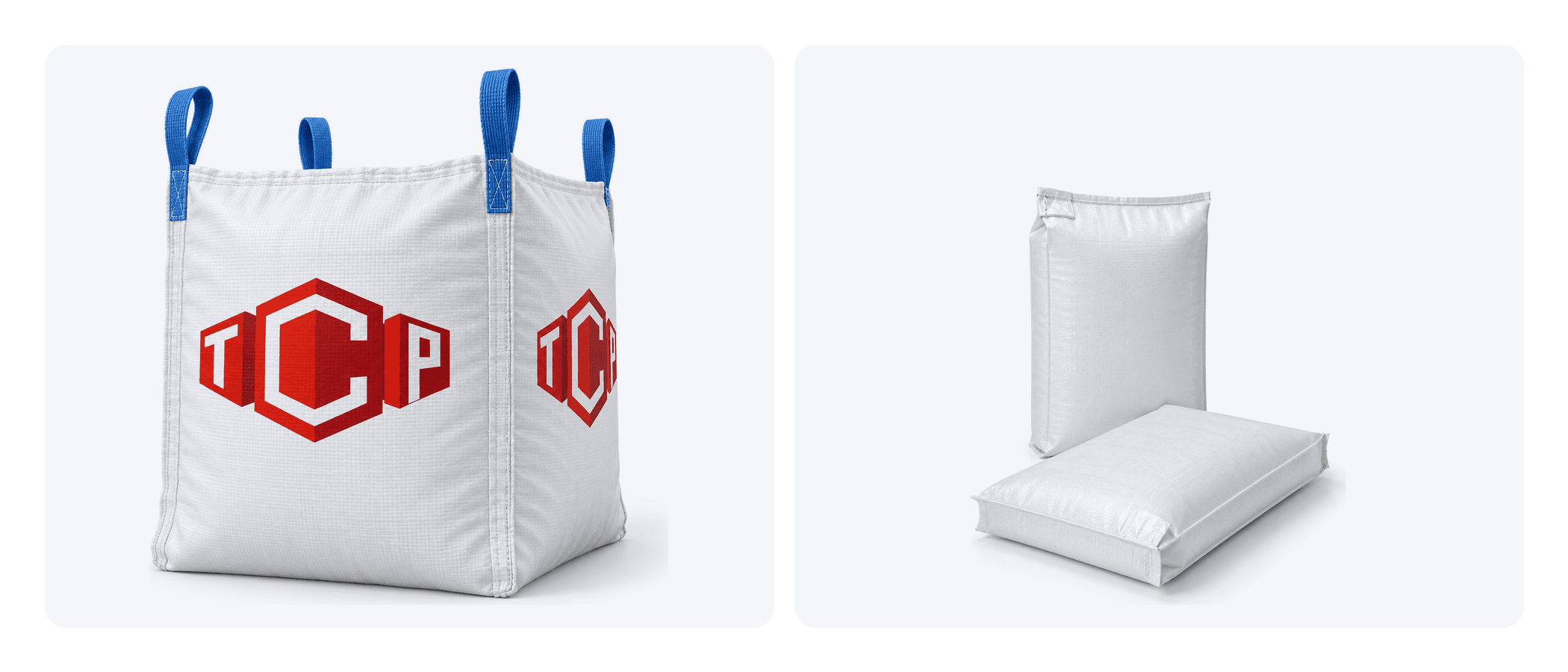
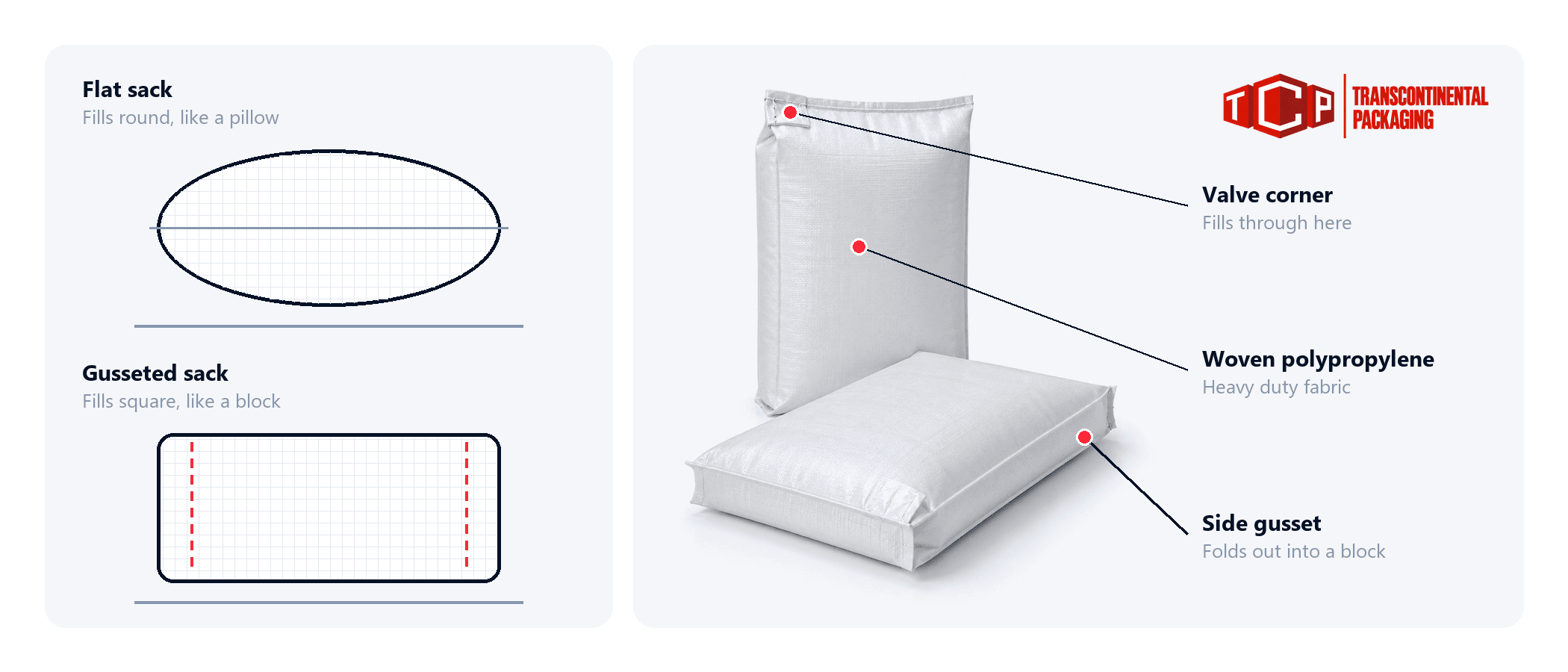
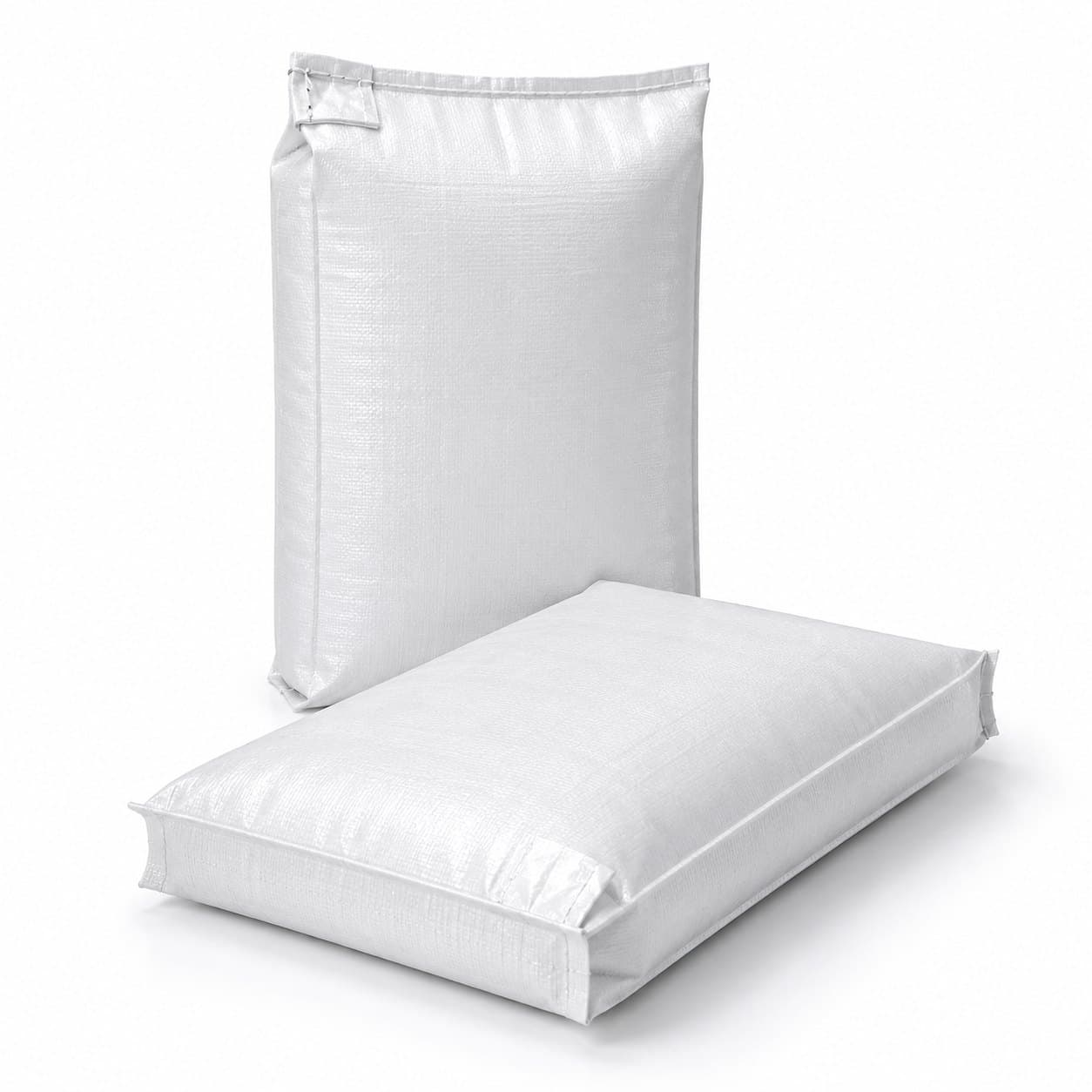
At the small end are woven sacks in the 25 kg class, and their advantage is speed on the packing line. A valve woven sack fills through a valve in one corner that closes itself under the weight of the product. A feed mill running 25 kg sacks on a packer gets a closed bag off the spout every cycle, with no sewing or sealing station after it.
Open-mouth sacks are filled from the top, then sewn or sealed shut. That is one more step, but open-mouth handles a wider range of materials, including coarse or irregular product that would not run cleanly through a valve.
Options include custom multi-color print, handles, gussets and micro-perforation, which lets air escape during filling. Photographic-quality graphics need a laminated construction, so ask us before you commit artwork. On volume, our manufacturing partners support production in excess of 4.5 million valve bags per month, enough to run a stock program and custom orders side by side.
Heavier formats work the same way: green coffee travels by ship, rail and truck in heavy-duty 50 kg woven PP bags before it meets a roaster.
Woven polypropylene bulk bags: when sacks stop making sense
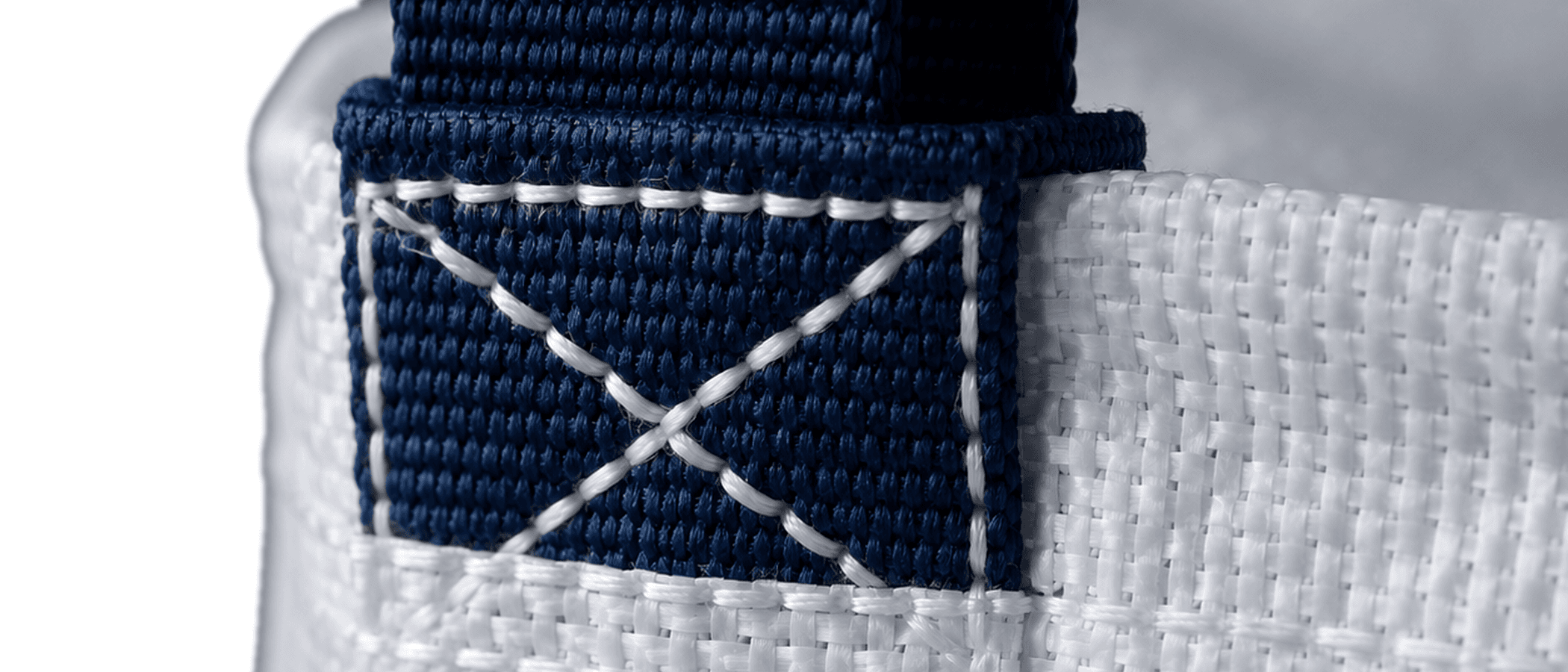
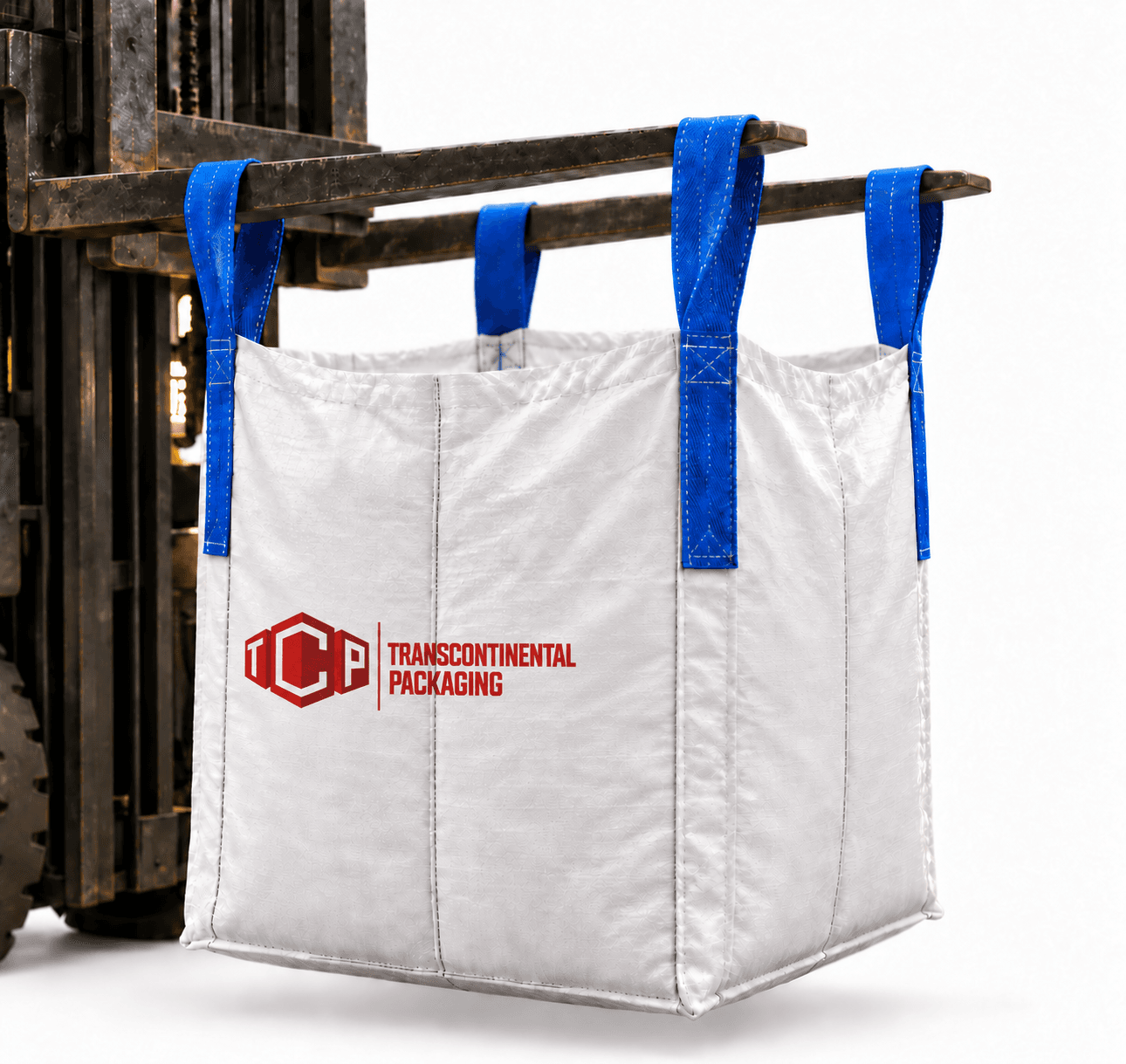
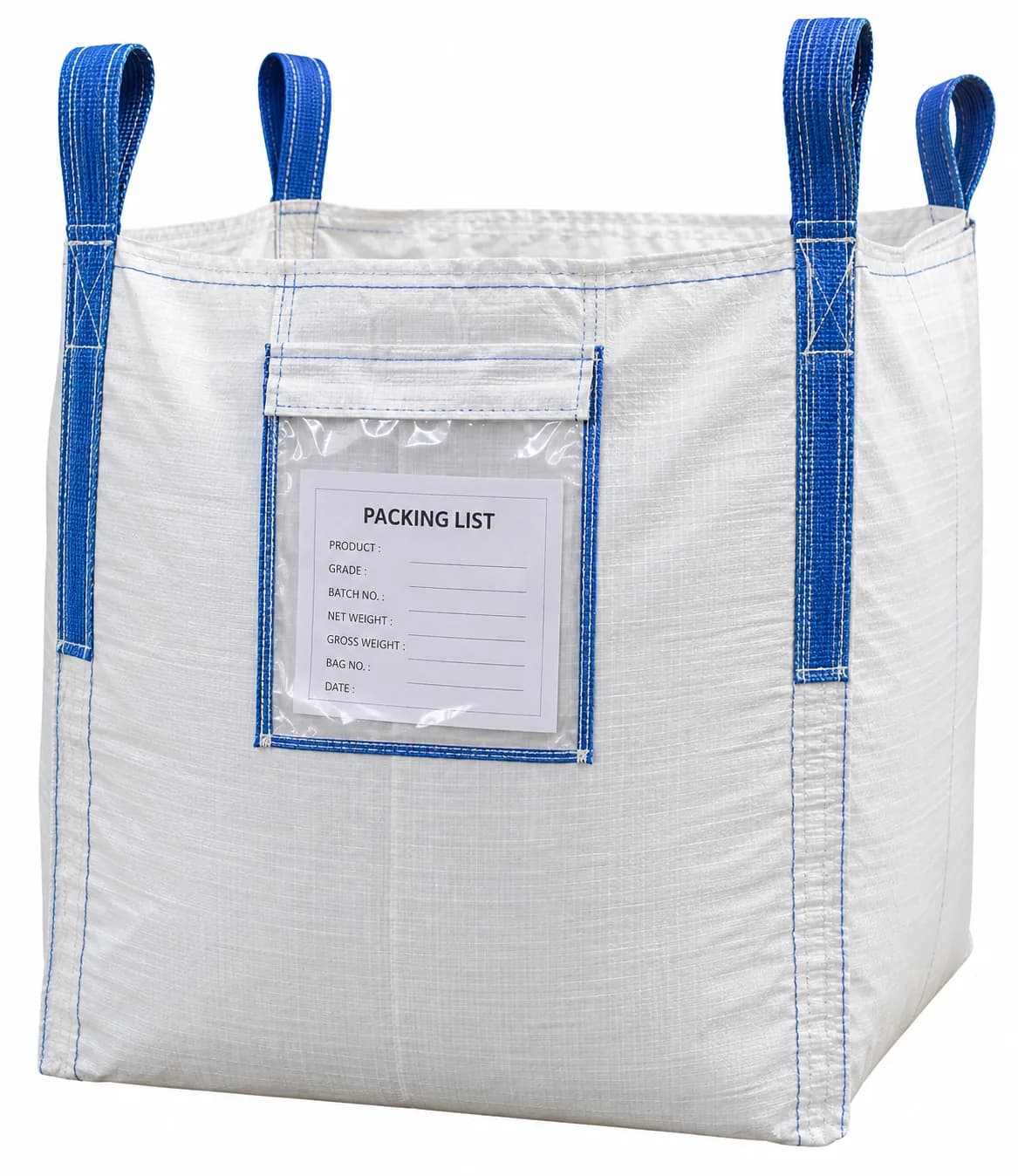
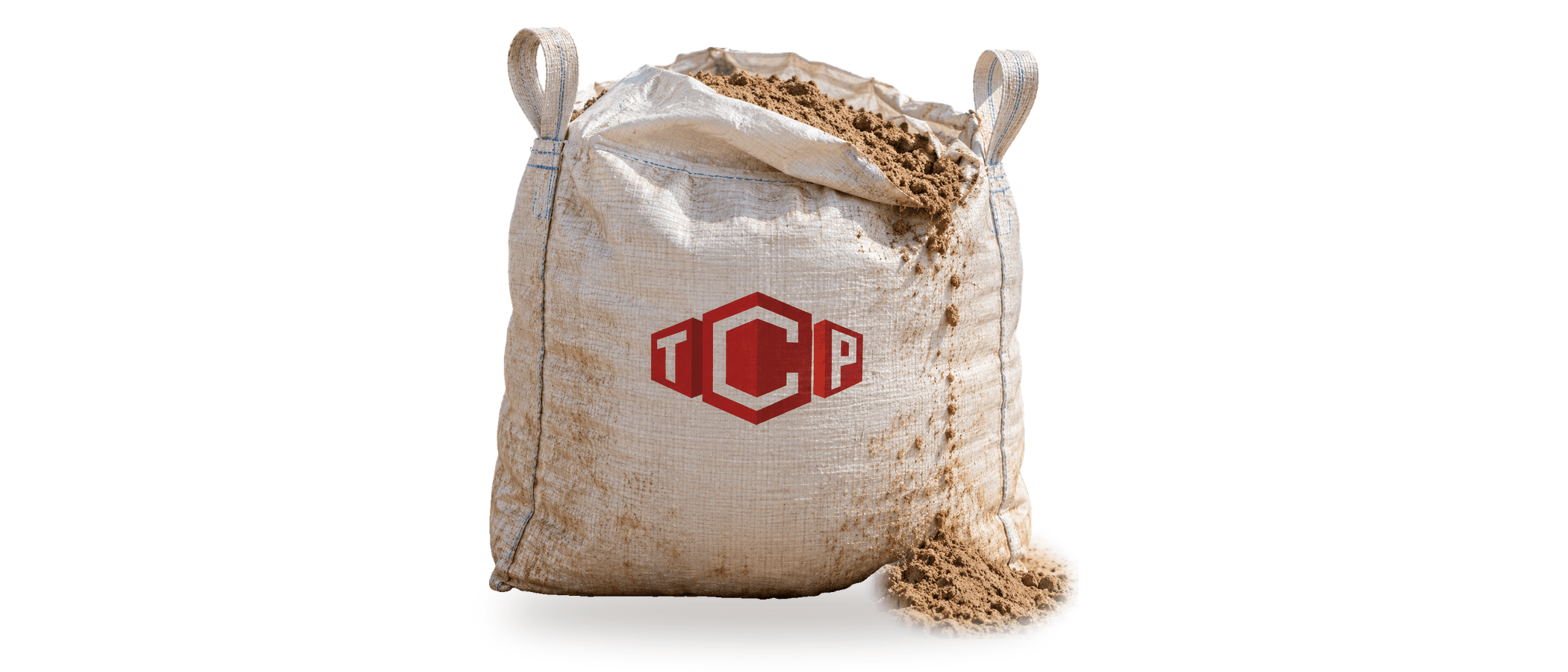
At higher volumes, handling hundreds of small sacks, each one placed, stacked, wrapped and slit open, becomes the real cost. Woven polypropylene bulk bags, known in the trade as FIBCs (flexible intermediate bulk containers), replace a pallet of sacks with one container that a forklift or hoist lifts by loops sewn at the top.
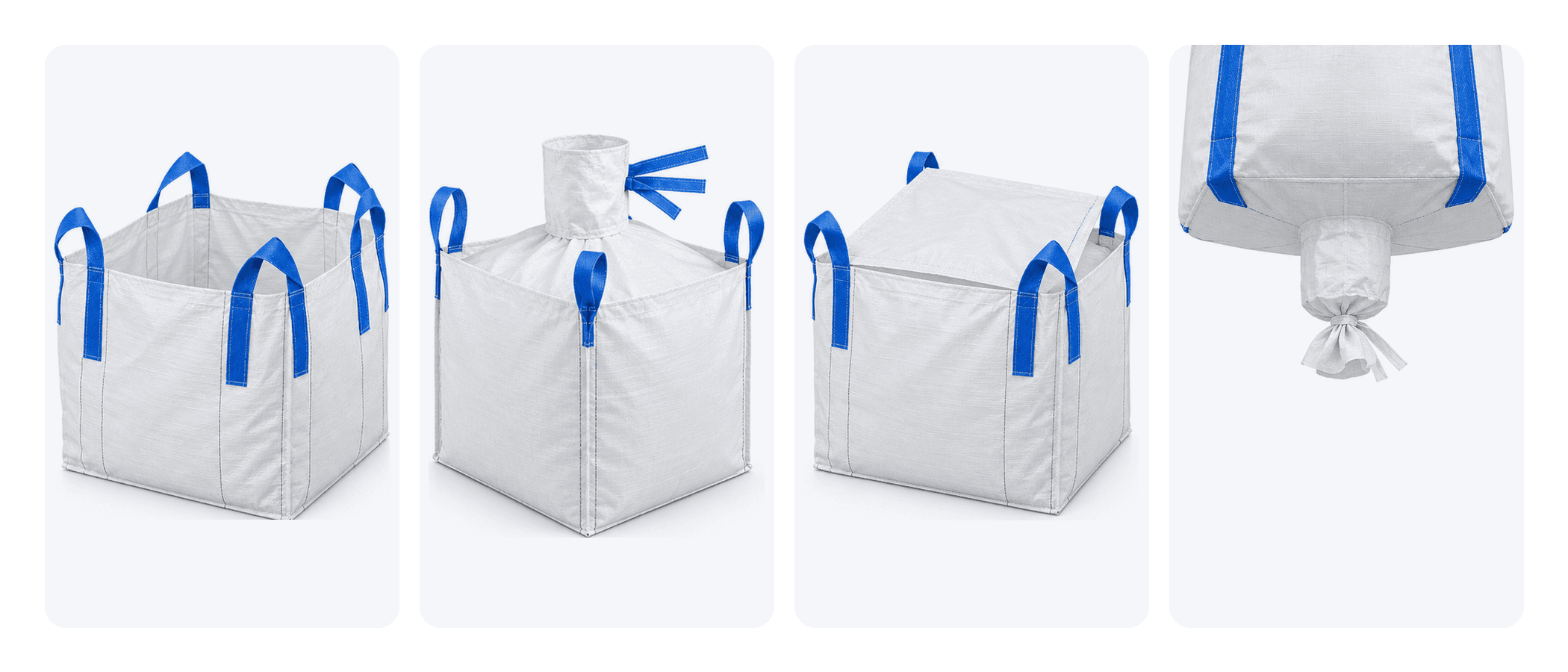
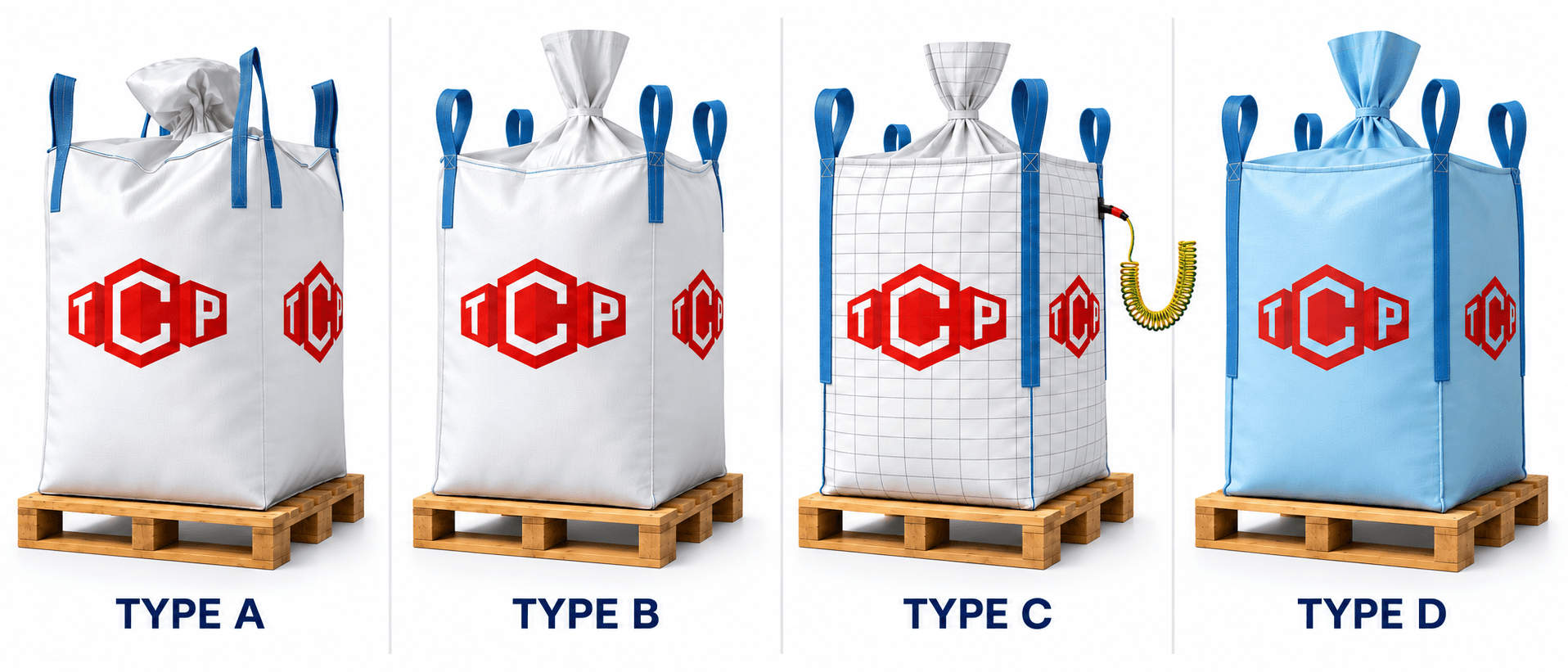
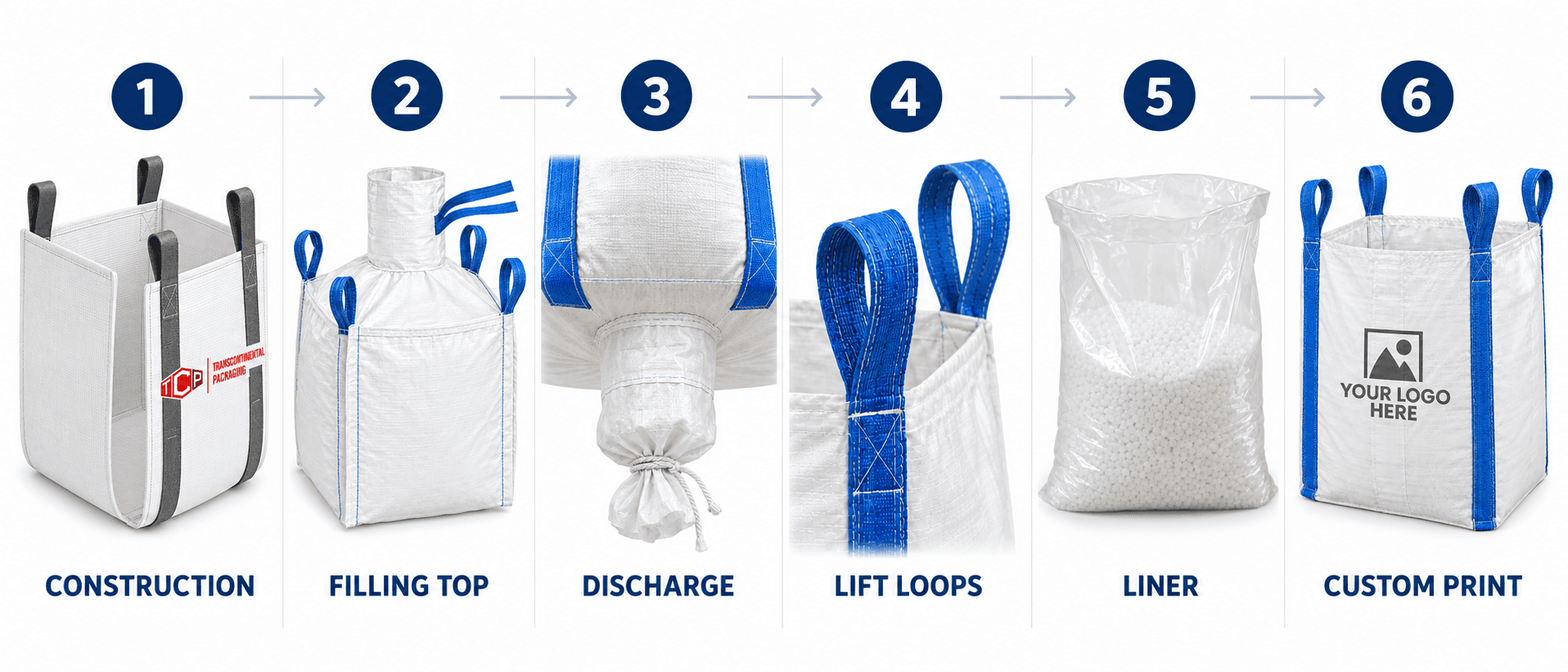
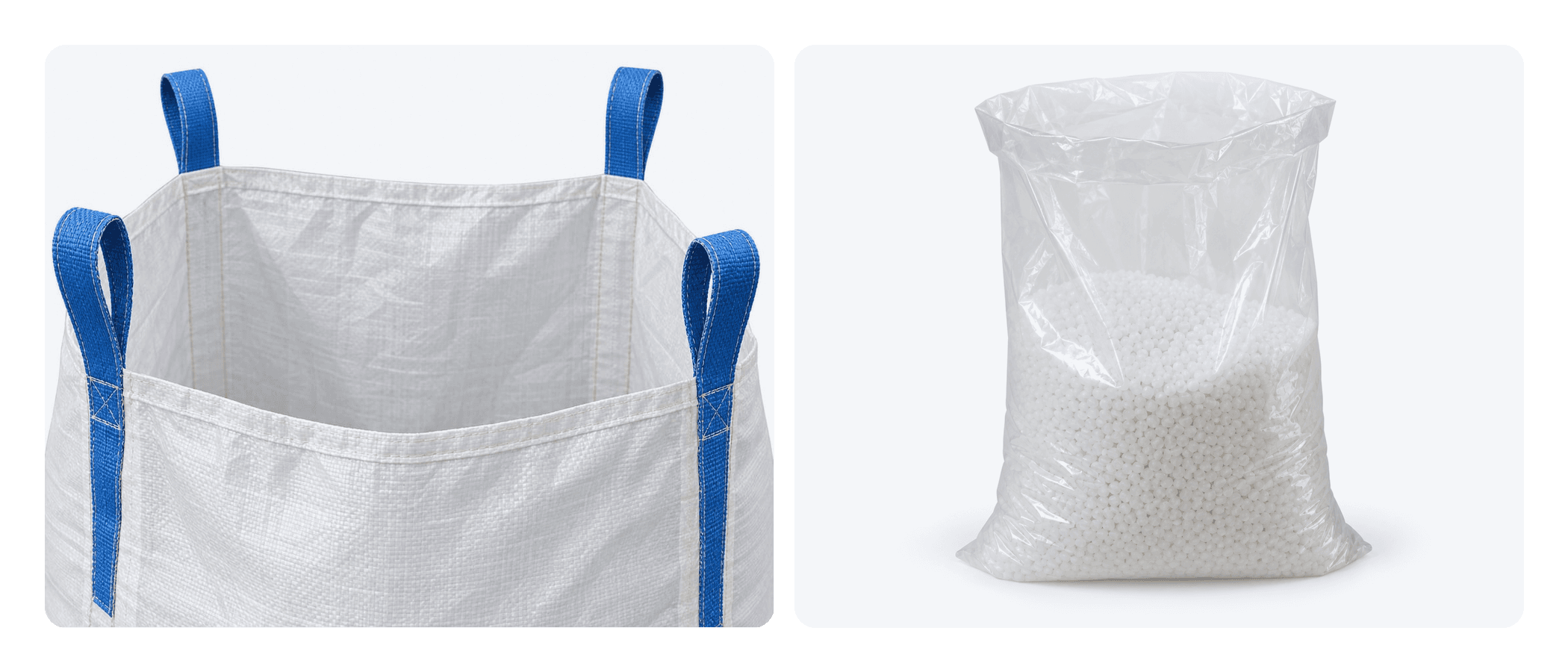
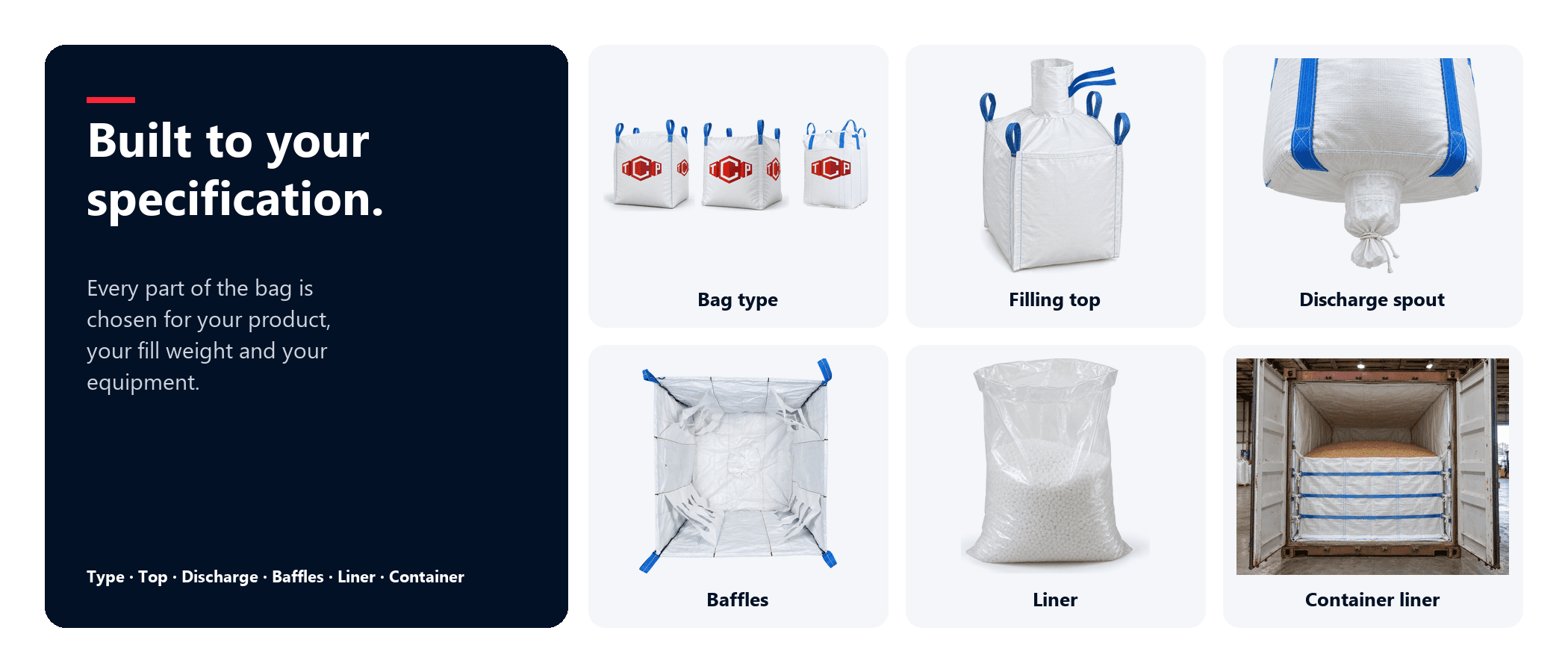
The fabric is the same woven PP, heavier and built into a much larger body, with more decisions on top: static protection from Type A to Type D, construction, top and bottom style, loops and liner. Our bulk bag range sets those options out by type, construction and grade.
| Woven sacks | Woven PP bulk bags (FIBCs) | |
|---|---|---|
| Typical fill | 25 kg class; 50 kg for heavier formats such as green coffee | Up to about 3,000 lb by build; 1 metric tonne (2,205 lb) is a common rating |
| How it fills | Self-closing valve, or open mouth then sewn or sealed | Open top, duffle or fill spout |
| Handling | By hand or conveyor, stacked on pallets | Forklift or hoist, lifted by its loops |
| Emptying | Opened or slit and poured | Flat bottom, discharge spout or full bottom discharge |
1 ton bulk bags: what the rating actually means
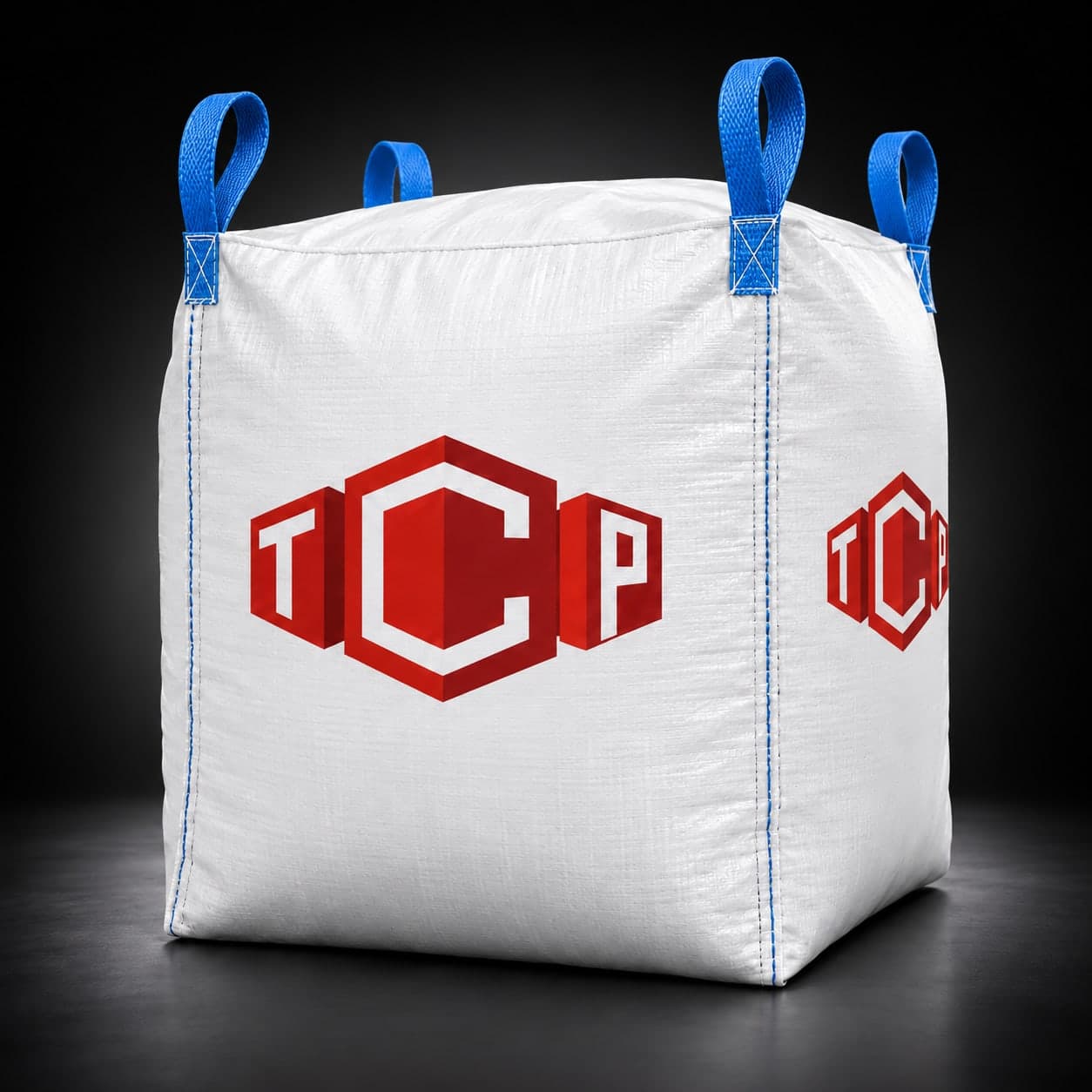
Most buyers ask for 1 ton bulk bags, or simply 1 ton bags, and the figure behind the name is normally one metric tonne: about 2,205 lb. That is the safe working load (SWL), the most the bag is rated to carry through filling, lifting and transport. It is neither the weight of the empty bag nor the load at which the bag gives way.
The margin between the rating and failure is set by the safety factor. The bags we supply are built to a 5:1 safety factor as standard, meaning the design must hold five times its rated load under test; UN-certified designs carry 6:1. So a bag rated at 2,205 lb is built to withstand roughly 11,000 lb in testing. That margin absorbs the shocks of real handling, like a forklift braking hard. It is not spare capacity for overfilling.
Size alone does not set the rating. A U-panel bulk bag carries the load on one continuous piece of fabric running under the base and up two sides, so no stitched joint sits in the path of the weight. A circular bulk bag is woven as one continuous tube with no vertical seams, which suits fine powders. Loop style and fabric weight also shape what a bag can safely lift.
Our construction pages show a typical SWL range of 2,205 to 3,000 lb for U-panel, four-panel and circular builds. Those are indicative industry figures for comparison, not a catalog rating; every bag is specified to your fill weight.
Volume matters as much as weight. A tonne of plastic flake takes up far more room than a tonne of sand, so two bags with the same 2,205 lb rating can differ a lot in size. To quote a 1 ton bag, we need:
- The material and its bulk density, or a sample if you lack the figure
- Target fill weight per bag
- How you fill and empty it (top and bottom style)
- Whether combustible dust or a flammable atmosphere is present at either end
- Whether the product needs food or pharmaceutical grade
Choosing the right polypropylene bags for your line
Start from the fill weight and how your plant works, not from the bag. A mill packing 25 kg units for retail needs sacks and a packer. A plant moving a tonne of resin in one lift needs a bulk bag and a forklift. Plenty of operations run both: sacks going out to trade customers, bulk bags bringing raw material in.
Send us your material and a note on how your line fills and empties, and we will build to your specification, from a 25 kg valve sack up to a 1 ton bulk bag.
Related pages: the woven sacks and bulk bags we supply for animal nutrition, minerals and plastics.
Explore our packaging product range or visit the Transcontinental Packaging homepage to learn about our company and the industries we serve.