
Published on Updated on
Bulk Bag Liners: Match the Material to the Product
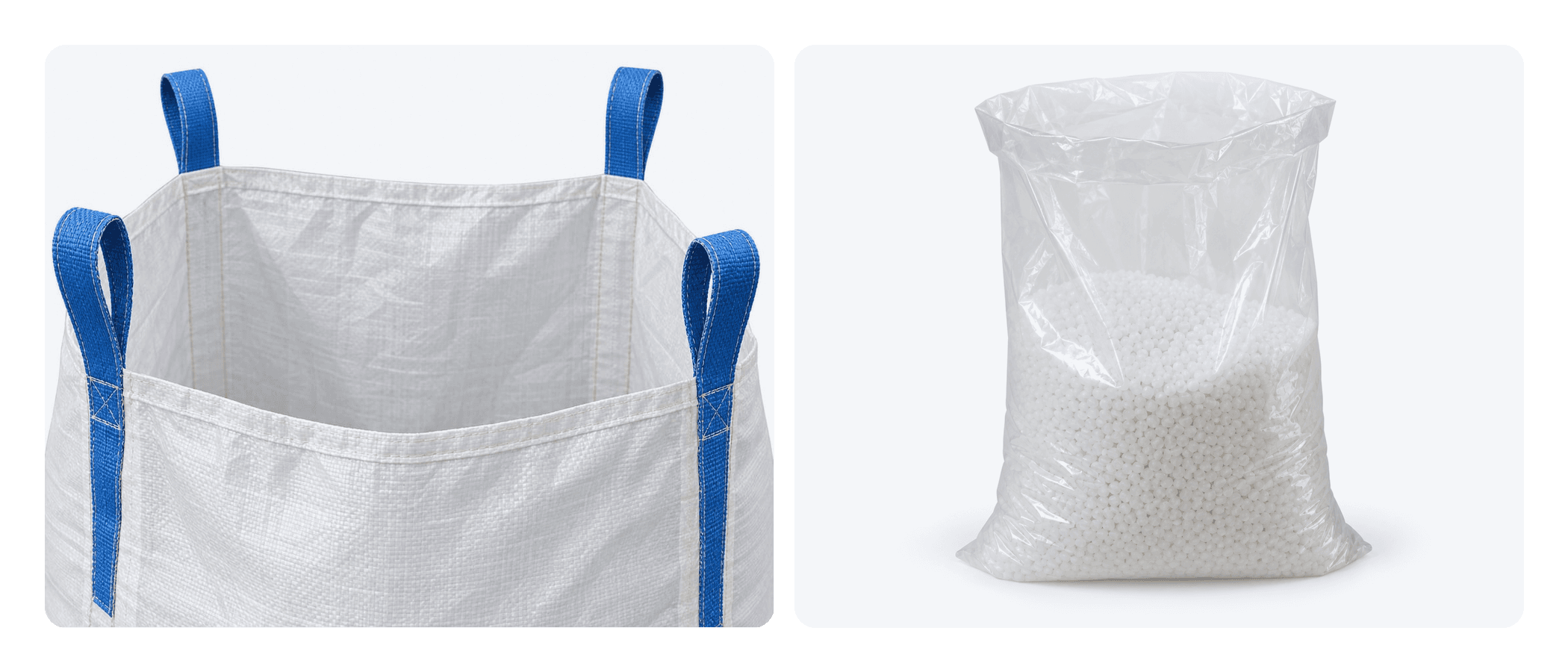
A liner should be specified with the bag, not added as an afterthought. It changes the surface that touches the product and can affect how the package fills and empties. Start by naming the problem you need it to solve.
The outer bag and the liner have different jobs
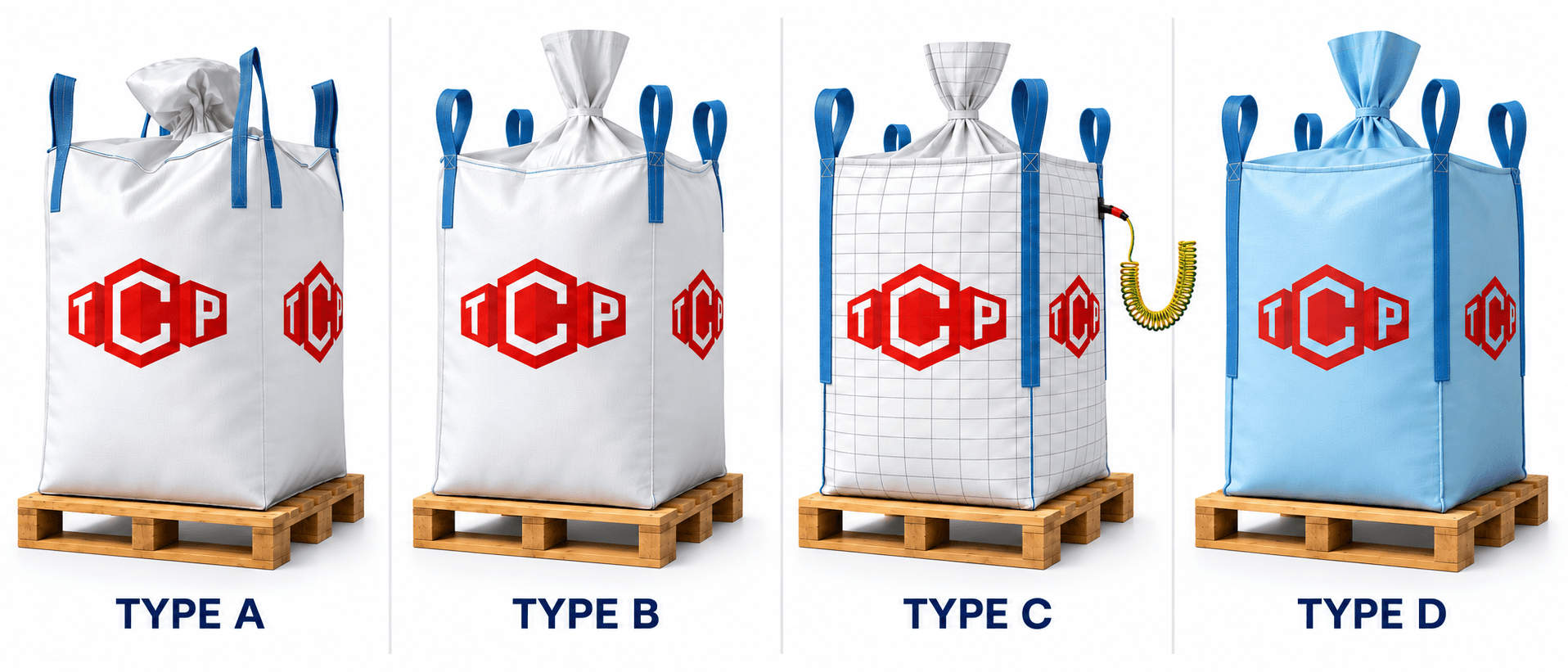
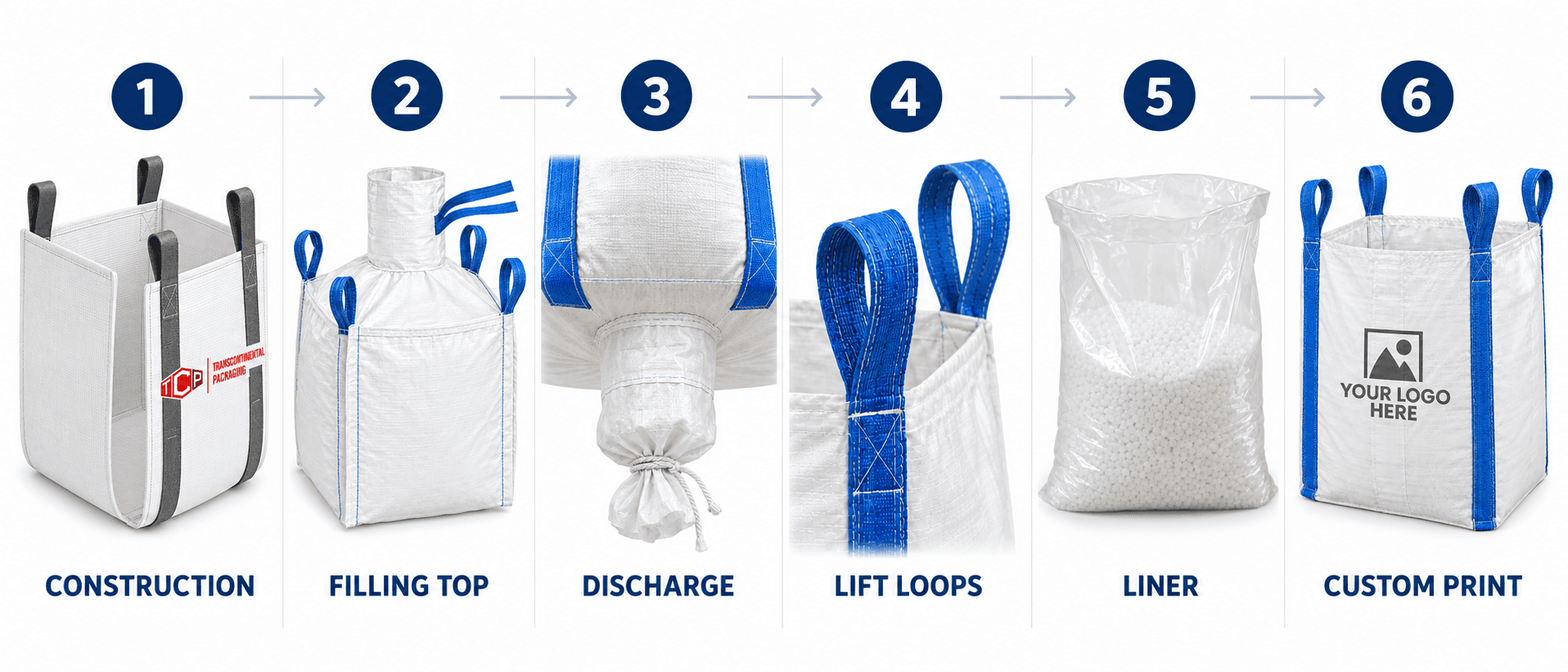
The woven polypropylene outer provides the structure of an FIBC. A liner is a separate inner layer chosen for the product and its protection requirements. Neither the fabric name nor the presence of a liner proves that the finished package is suitable for every material.
Polyethylene is one liner film among several, so the material name alone is not a specification. For our bag and liner options, see FIBC liners.
Describe the protection you need
- Does moisture affect the product during its expected storage period?
- Can fine particles escape through the proposed fabric or seams?
- What product-contact requirements must the complete package meet?
- What are the filling temperature and storage conditions?
- Is an oxygen barrier needed, and what performance must it achieve?
Share these details before selecting a film or thickness. A polyethylene liner should not be treated as a universal oxygen barrier, and food-contact or temperature suitability needs confirmation for the specific material and conditions.
Check the fitting as well as the film
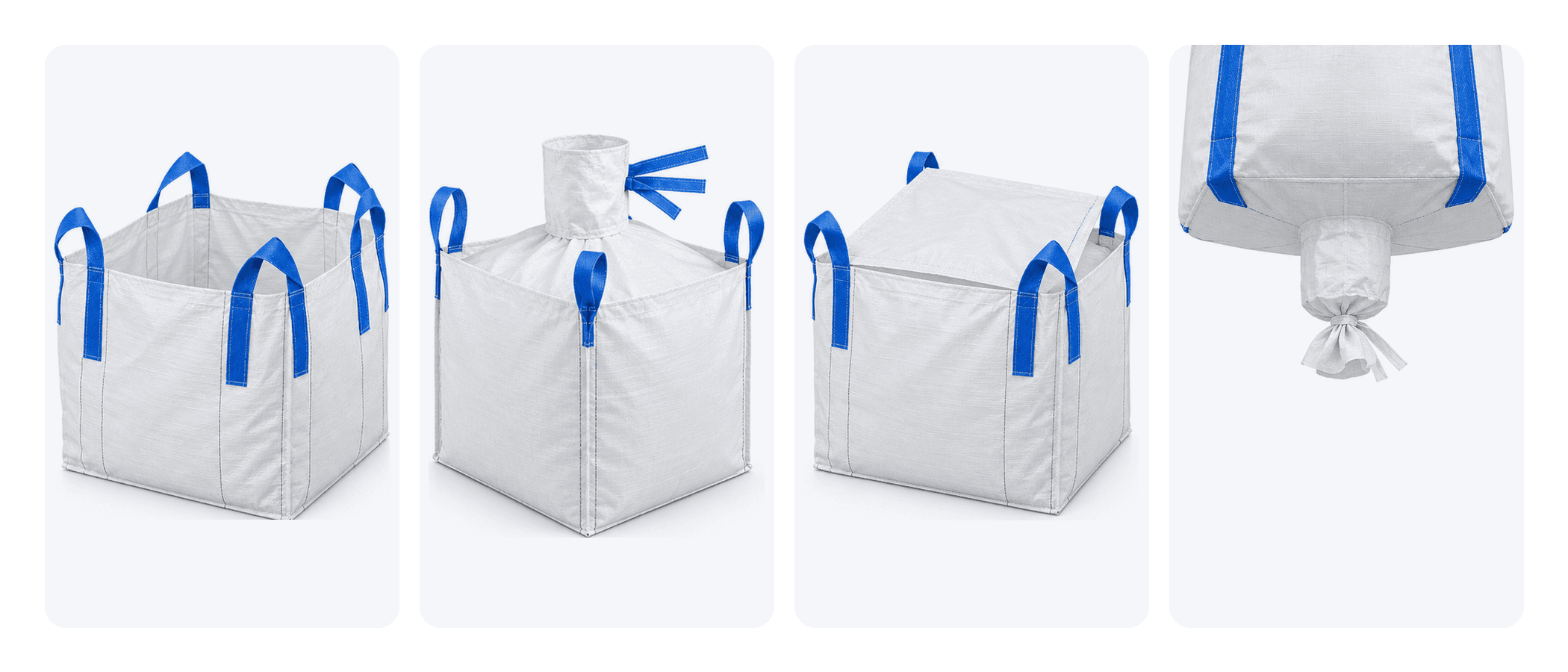
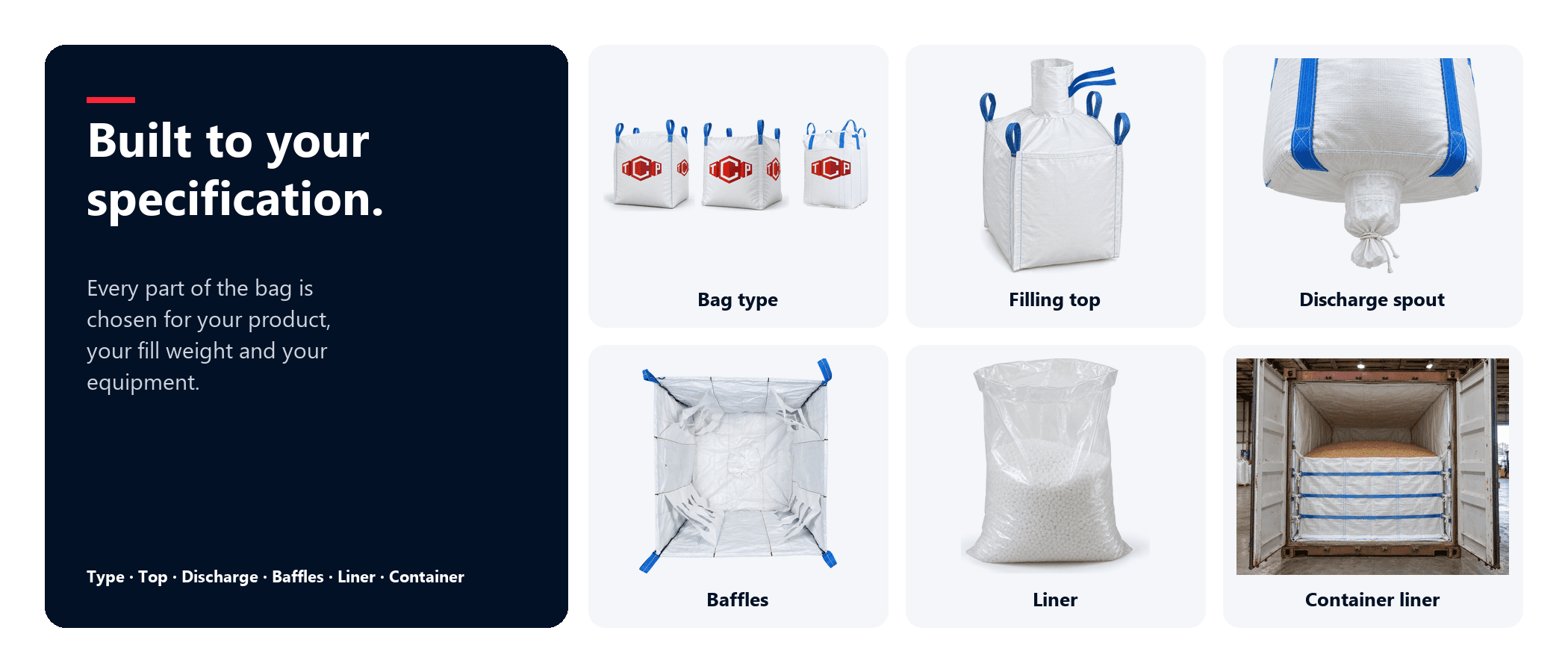
Our listed liner options include loose, glued-in and tabbed fittings, with polyethylene, antistatic and foil options. The product page lists standard gauges of 2.5 to 3 mil and options up to 9 mil; confirm availability and suitability for the proposed order.
Ask how the liner will stay in position during filling and discharge, and how its openings will connect to the bag and equipment. Cost comparisons are useful only when the proposed liners meet the same requirements.
Review the complete bag and liner combination
If static protection is required, have the supplier confirm compatibility of the liner, FIBC and intended application. Do not substitute a liner based only on its size or appearance. Keep the approved liner specification with the bag drawing.
For food-contact use, request the relevant documentation for the liner and finished package. A colour or a general food-grade description does not replace application-specific confirmation.
Keep the retail packaging brief separate
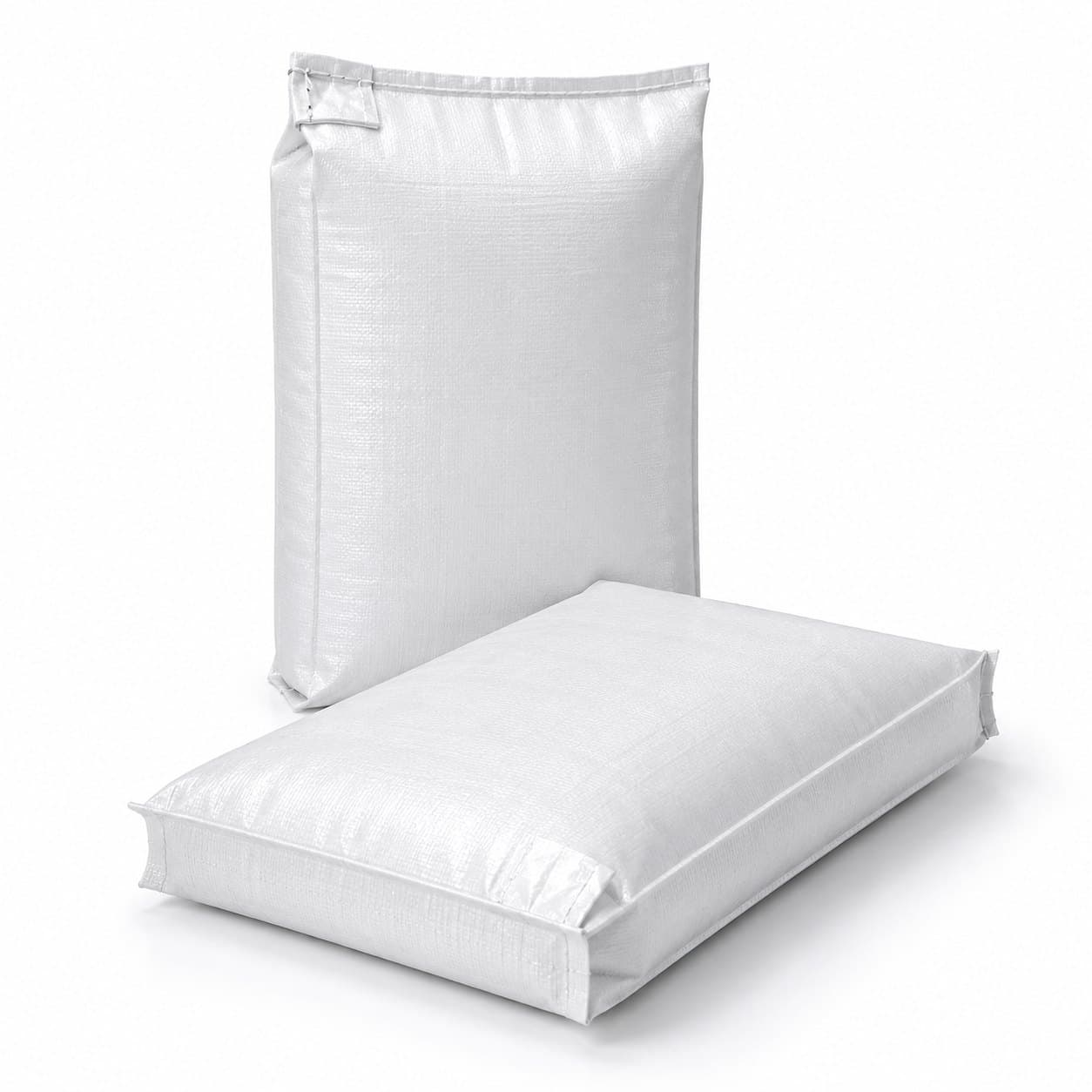
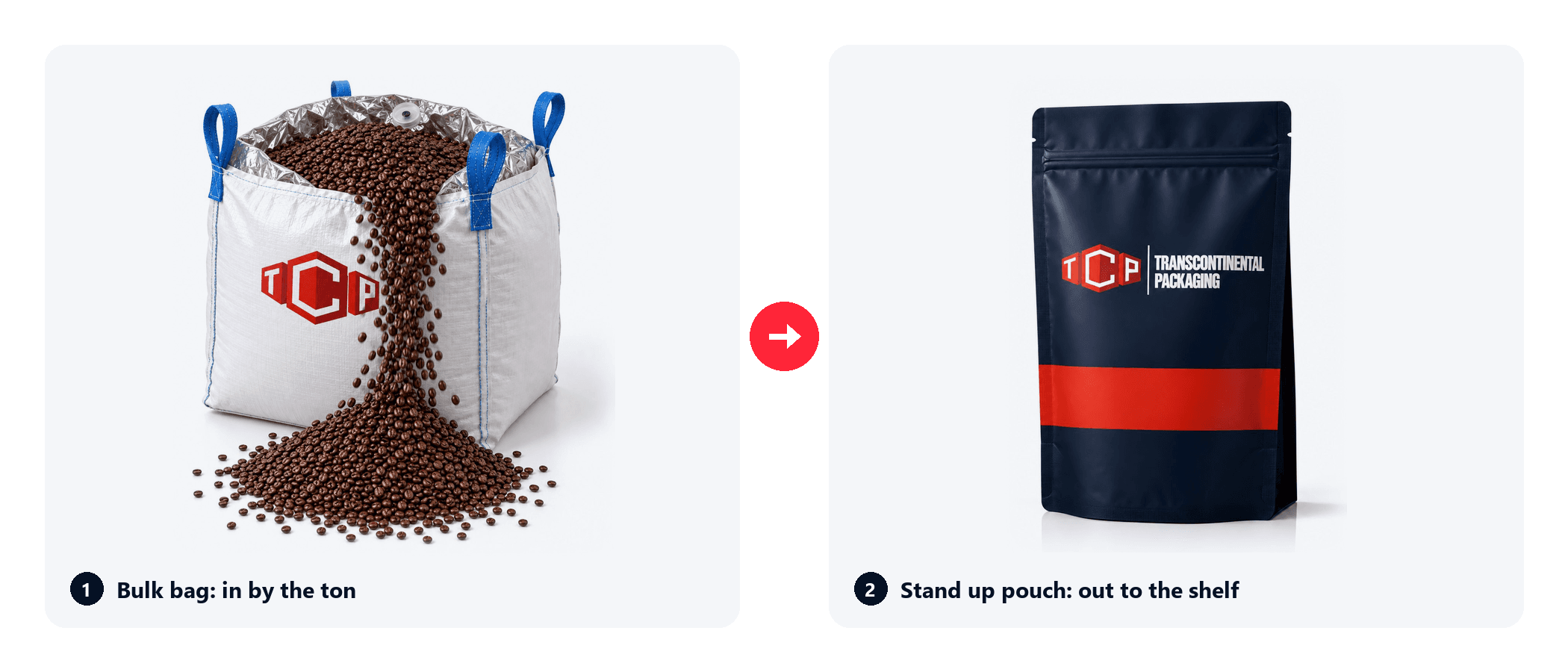
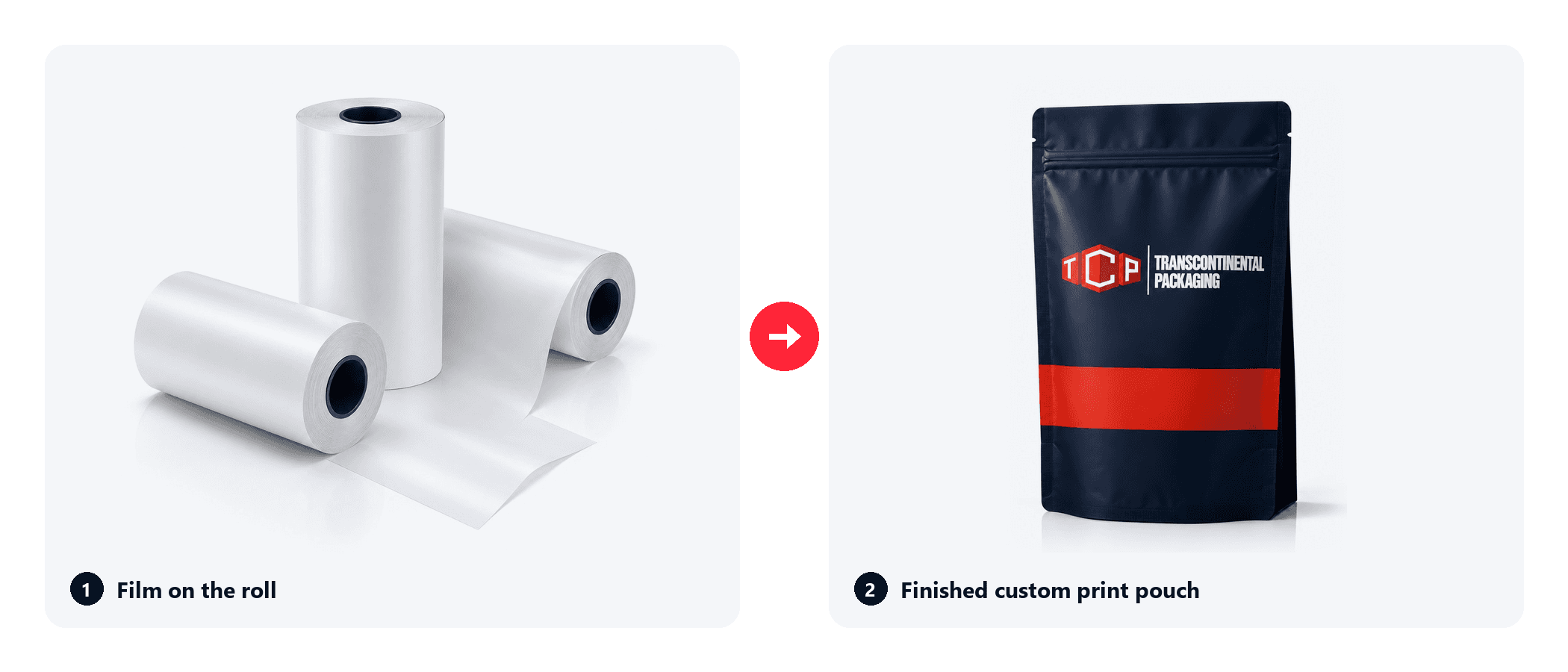
If the same product later moves into flexible pouches or roll stock film, review that package separately. Smaller formats have their own sealing, storage and filling requirements; the bulk liner specification cannot simply be copied across.
What to send with a liner request
Send the material, fill weight, bag dimensions, filling temperature and protection requirements to our team. Include the filling and discharge arrangements, plus the existing liner specification if you are replacing one. Explain any leakage, liner movement or emptying problem so it can be considered during the review.
Explore our packaging product range or visit the Transcontinental Packaging homepage to learn about our company and the industries we serve.