
Published on
What Are Gusseted Bags? A Guide to Heavy Duty Polypropylene Bags
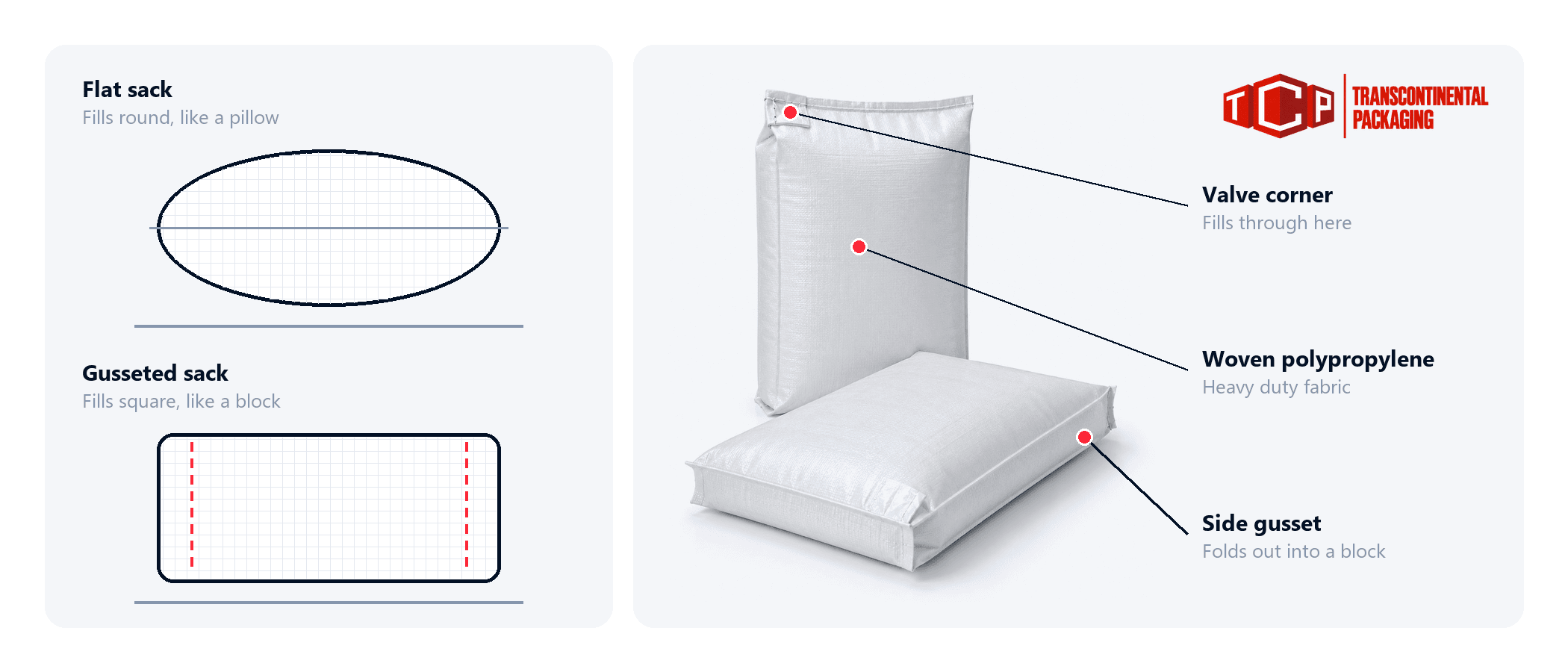
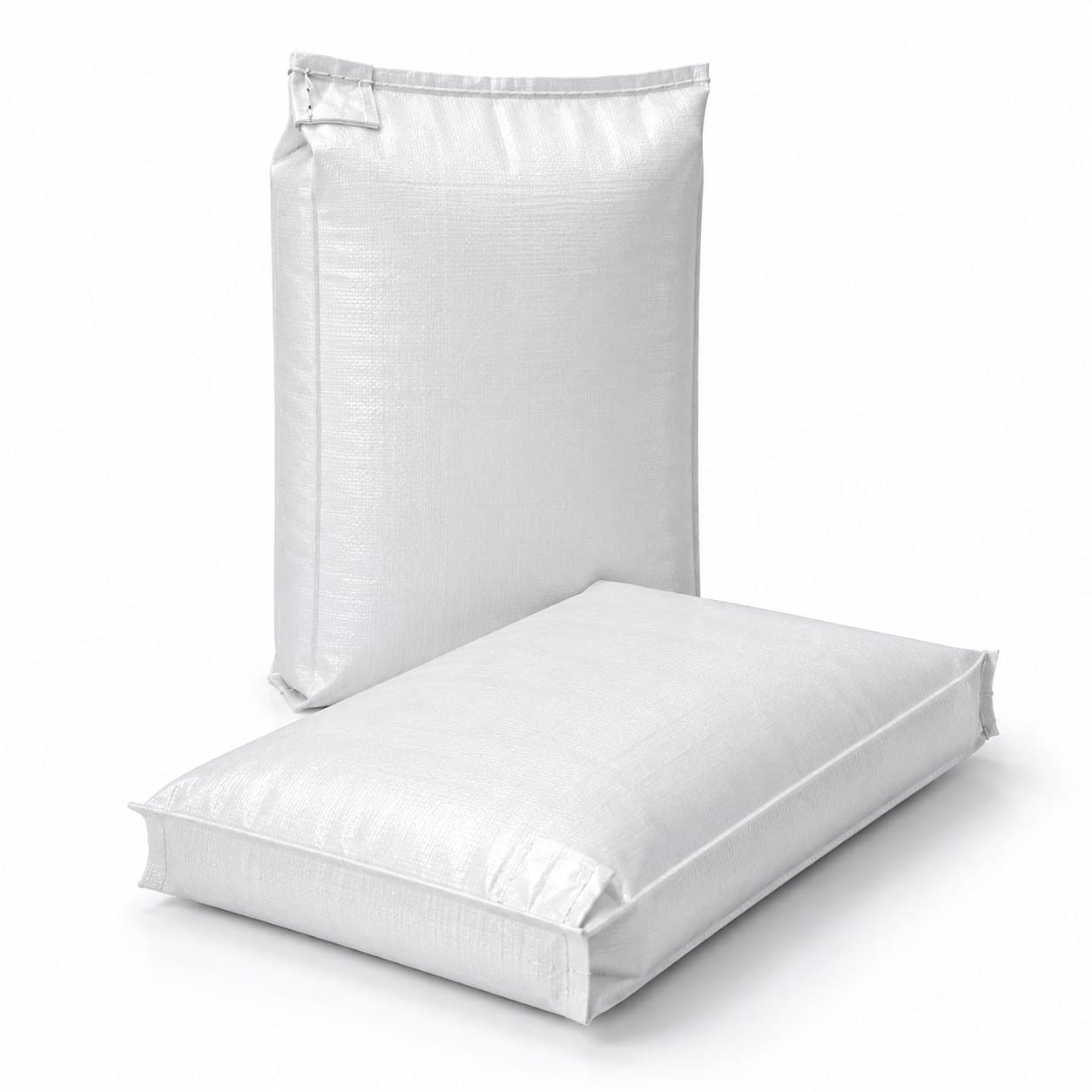
Fill a plain flat sack with 25 kg of feed and it turns into a pillow: fat in the middle, thin at the edges, and wobbly on a pallet. Fill a gusseted bag with the same feed and it settles into a neat block. That one design detail decides how well your sacks stack, ship and sit on a warehouse shelf.
What are gusseted bags?
A gusseted bag has extra fabric folded into its sides, its base, or both. Empty, the folds tuck flat, so the bag stores and ships like any other. As the product goes in, the folds open out and the bag takes on a squarer, box-like shape.
| Gusset | Where the fold is | What it does |
|---|---|---|
| Side gusset | Down both long sides | Lets the bag widen into a block, so it packs tightly on a pallet |
| Bottom gusset | Across the base | Gives a flat bottom, so the filled bag stands up on its own |
| No gusset (flat bag) | None | Cheapest to make, but fills into a rounded pillow shape |
You will see gussets on paper sacks, plastic film bags and retail pouches. In industrial packaging they matter most on heavy duty polypropylene bags, where every sack on a pallet has to stay put.
Why gussets matter on heavy duty polypropylene bags
Woven polypropylene bags are made from flat plastic tapes woven into a tough fabric, which is why they carry feed, seed, cement, minerals, chemicals and resin in 25 kg sizes and up. Adding a gusset to that fabric brings a few practical wins:
- Steadier pallets: square-sided sacks interlock better, so a full pallet is less likely to lean or slide in transit.
- Better use of space: block-shaped bags fill a pallet and a truck with less wasted air between them.
- Easier handling: a flat face is simpler to grip, stack by hand and read on the warehouse floor.
- A cleaner print face: the flat front of a gusseted sack shows your branding and product details without a bulge distorting them.
A plain flat sack still has its place. For low volumes, light products or bags that are emptied straight after filling, the extra fabric in a gusset may not pay for itself.
Choosing polypropylene bags, woven to your spec
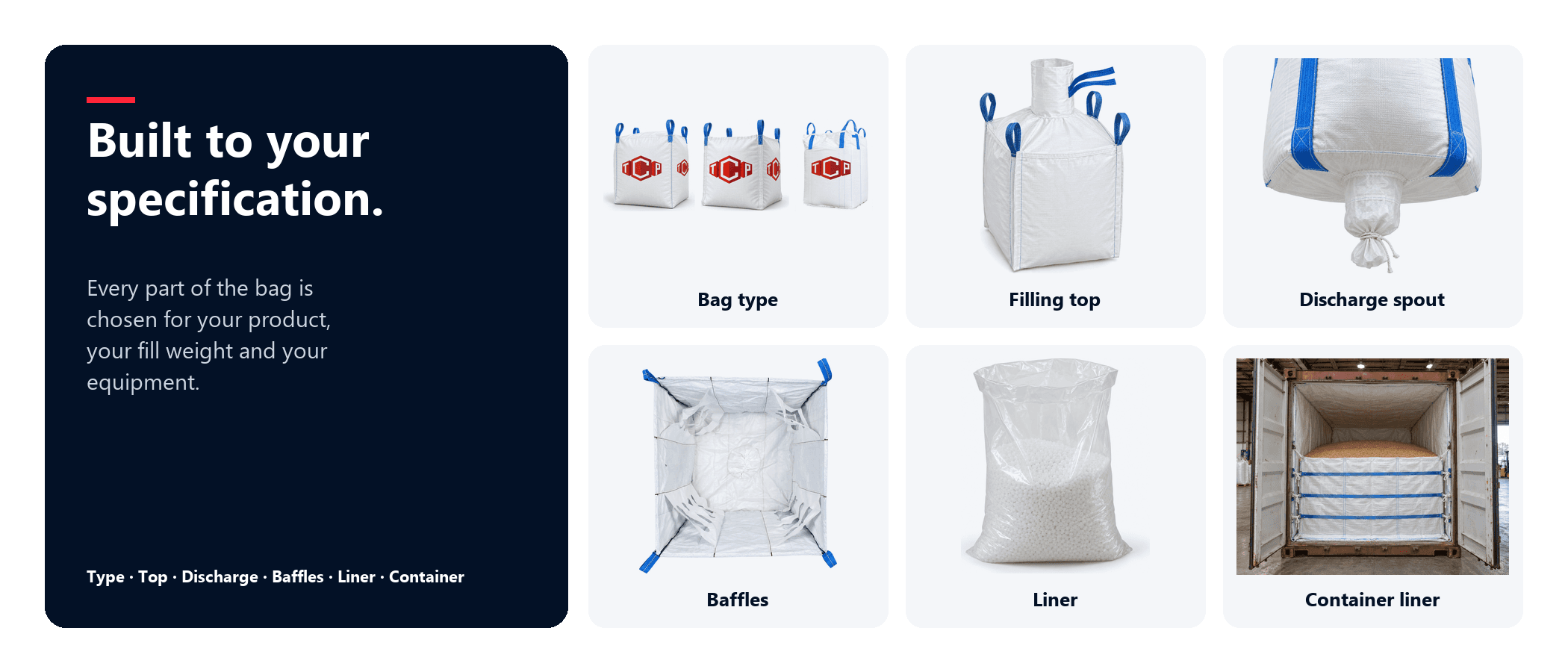
A gusset is just one line on a woven sack's spec sheet. Here is the rest of what we settle with a customer before anything is made:
- Filling: a valve sack fills through a corner valve that closes itself under the product's weight; an open-mouth sack is filled from the top and then sealed or sewn.
- Fabric: coated woven polypropylene for better moisture and sift resistance, or uncoated where the product needs to breathe.
- Grade: food grade for ingredients and anything that touches food, non-food for everything else.
- Add-ons: a gusset, a carry handle, or micro-perforation that lets trapped air escape during filling.
- Print: custom multi-colour print with your brand and product details.
For more on the fabric itself, coated versus uncoated and UV treatment, see our guide to woven polypropylene bags. Our full sack range is on the valve and woven sacks page.
Gusseted sacks or a bulk bag?
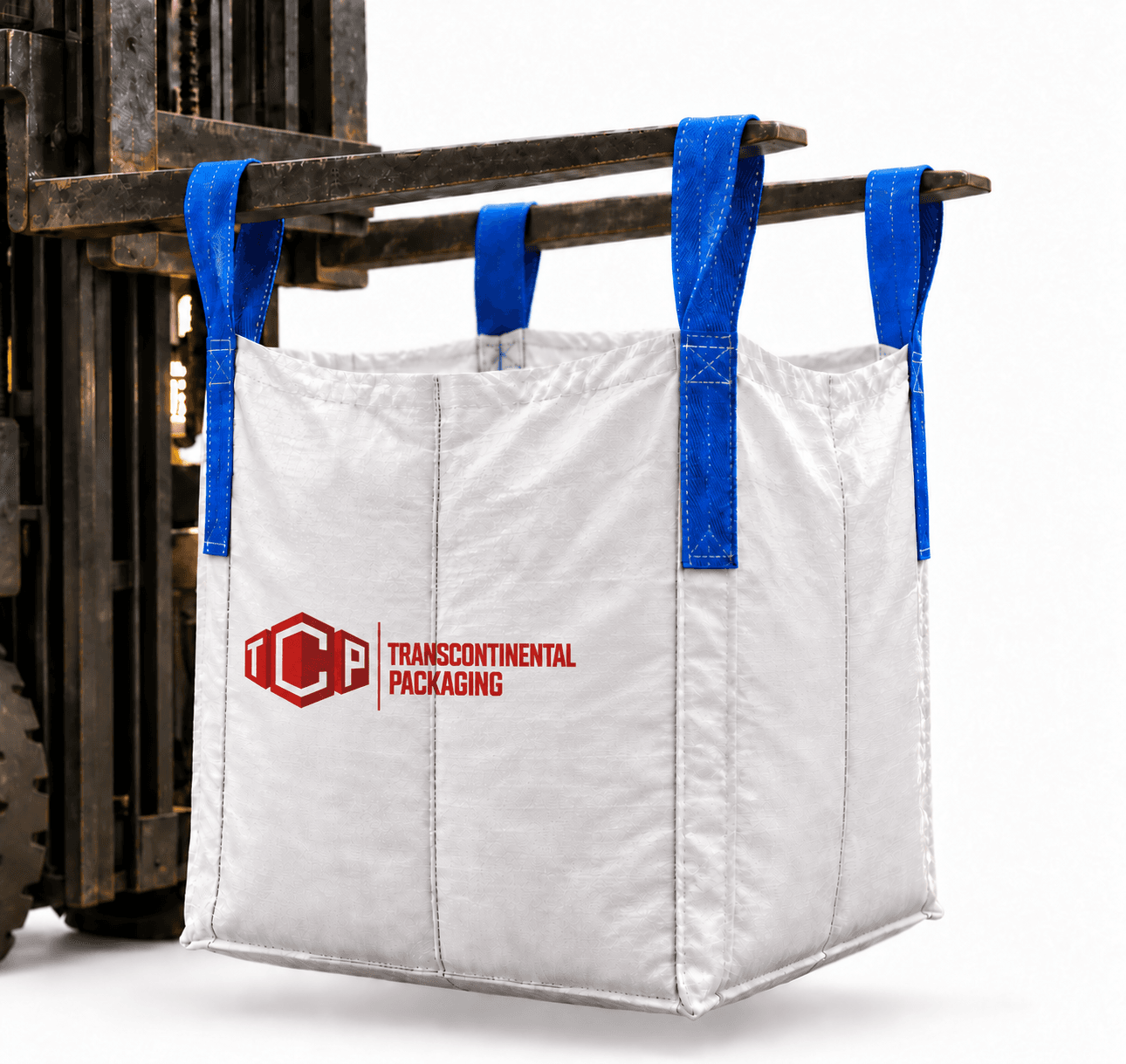
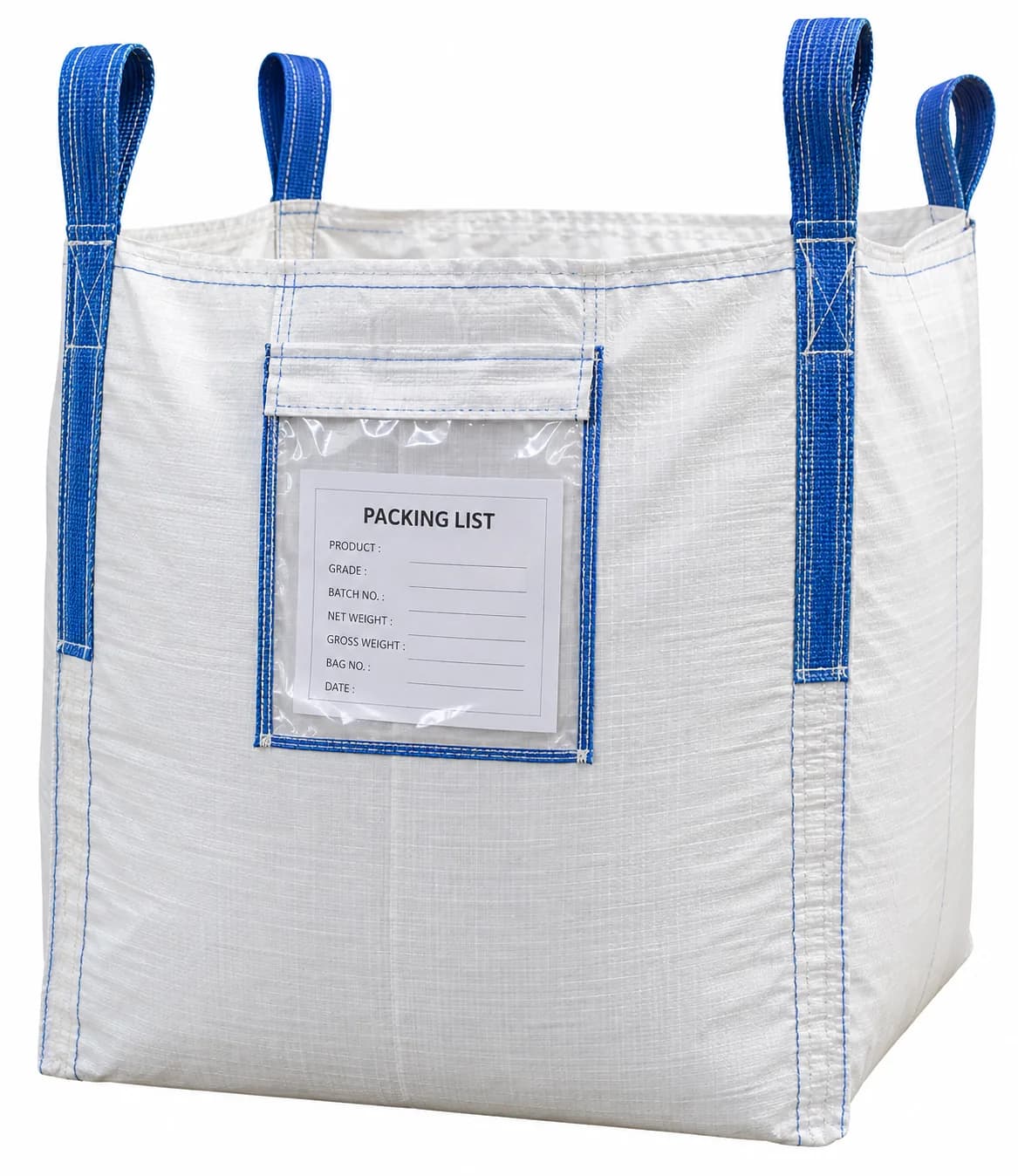
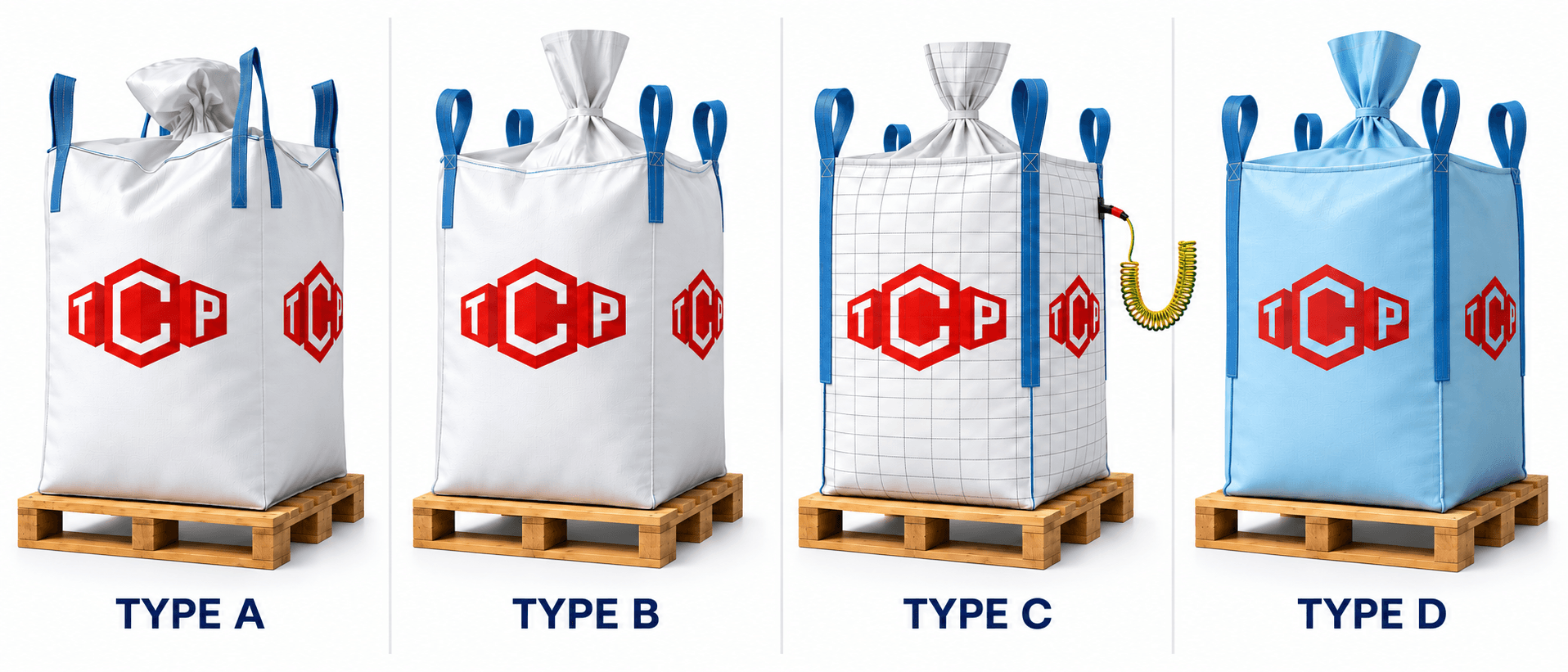
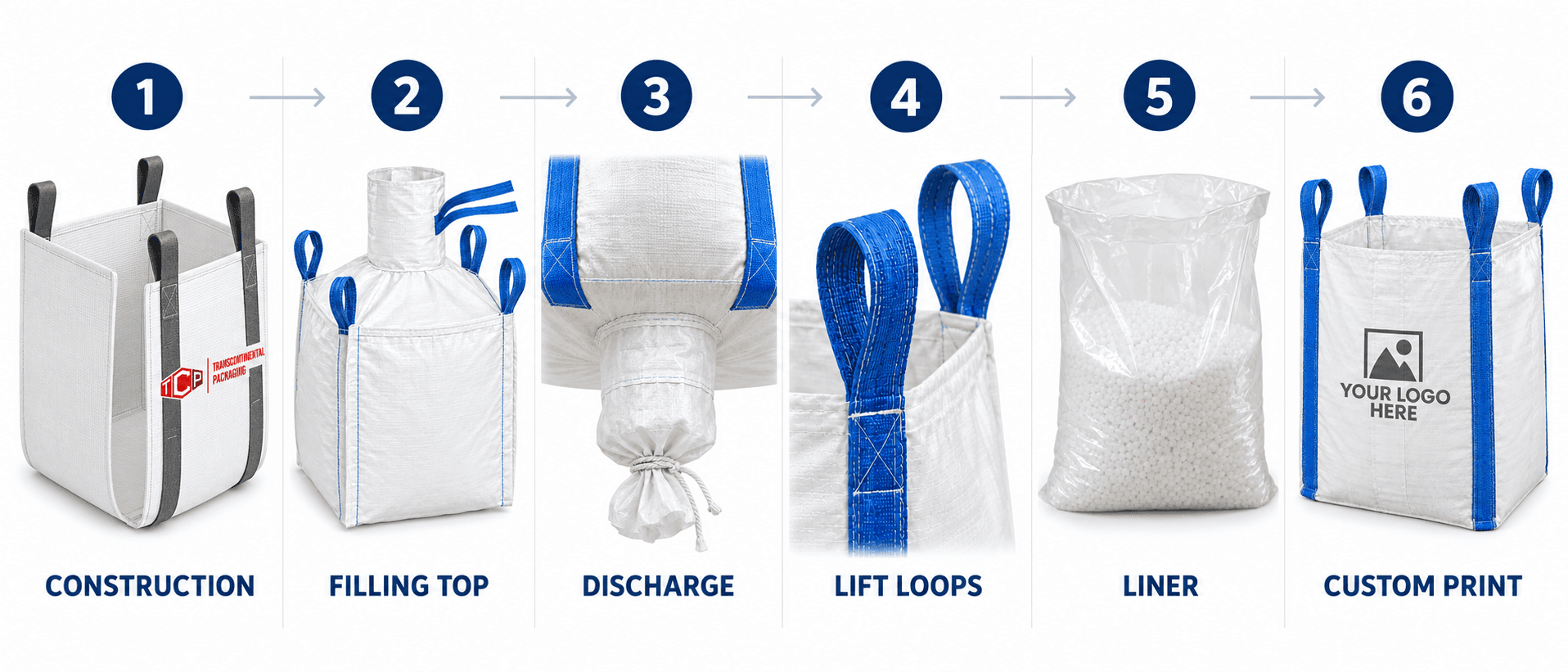
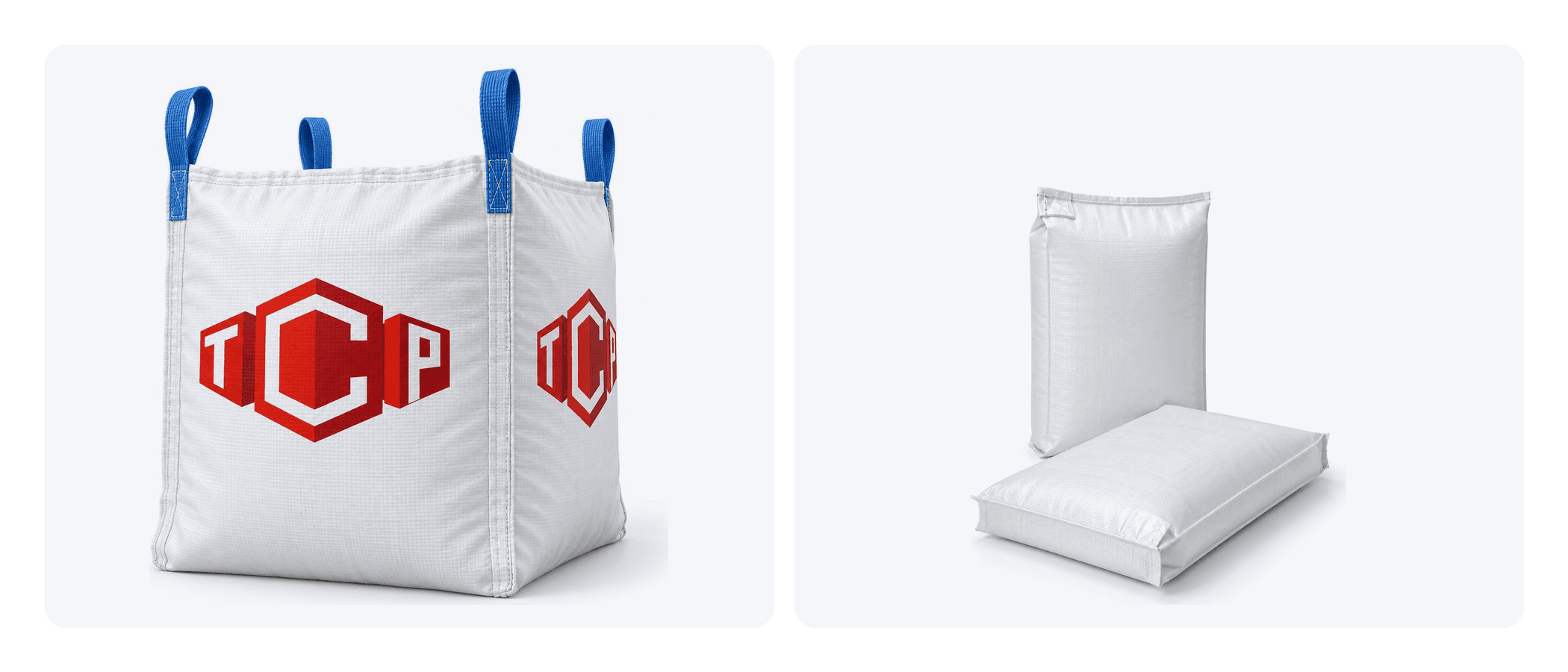
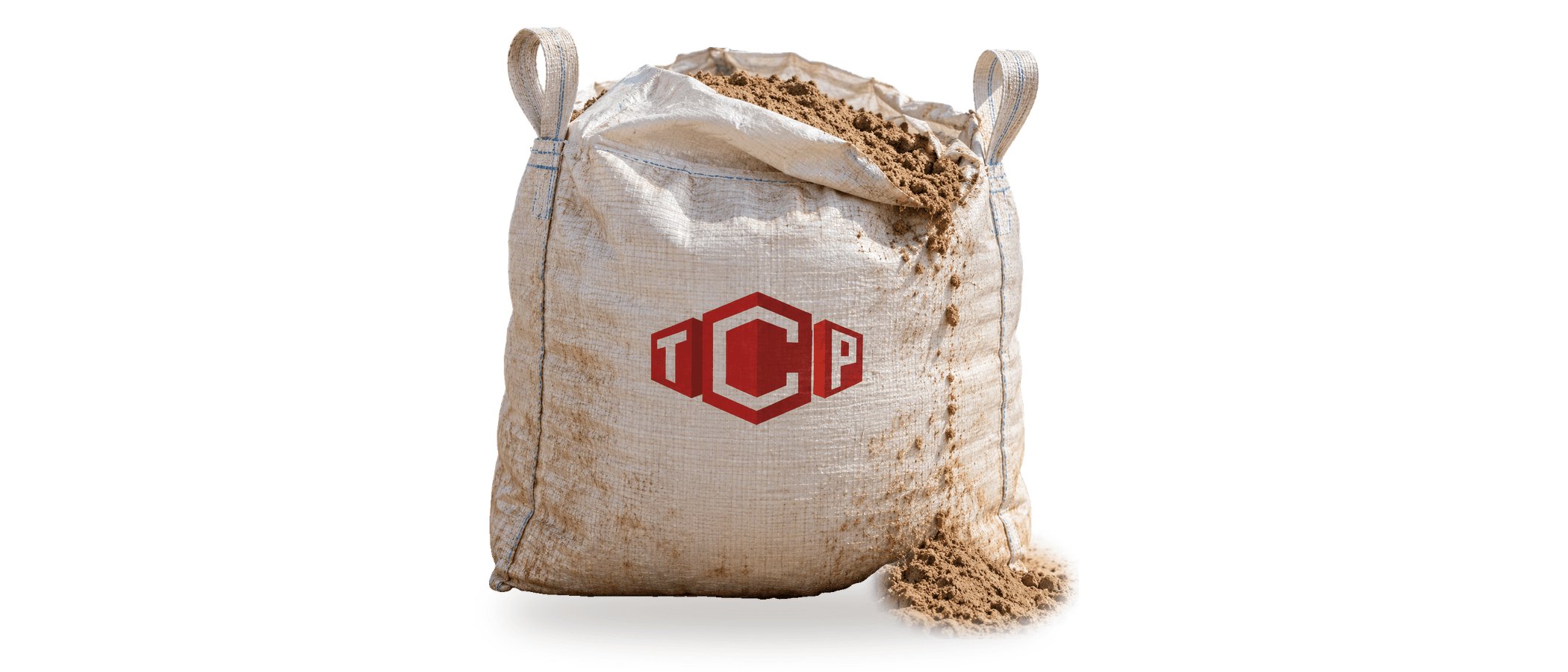
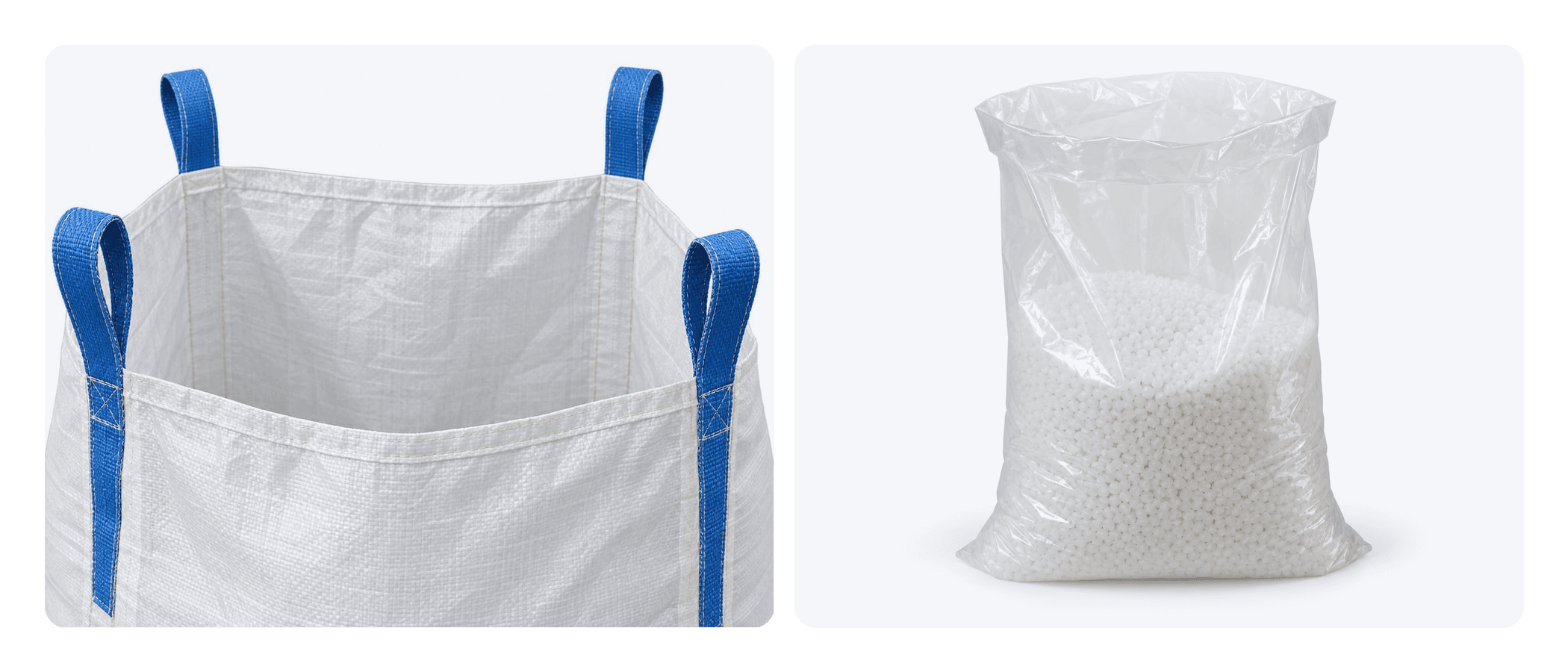
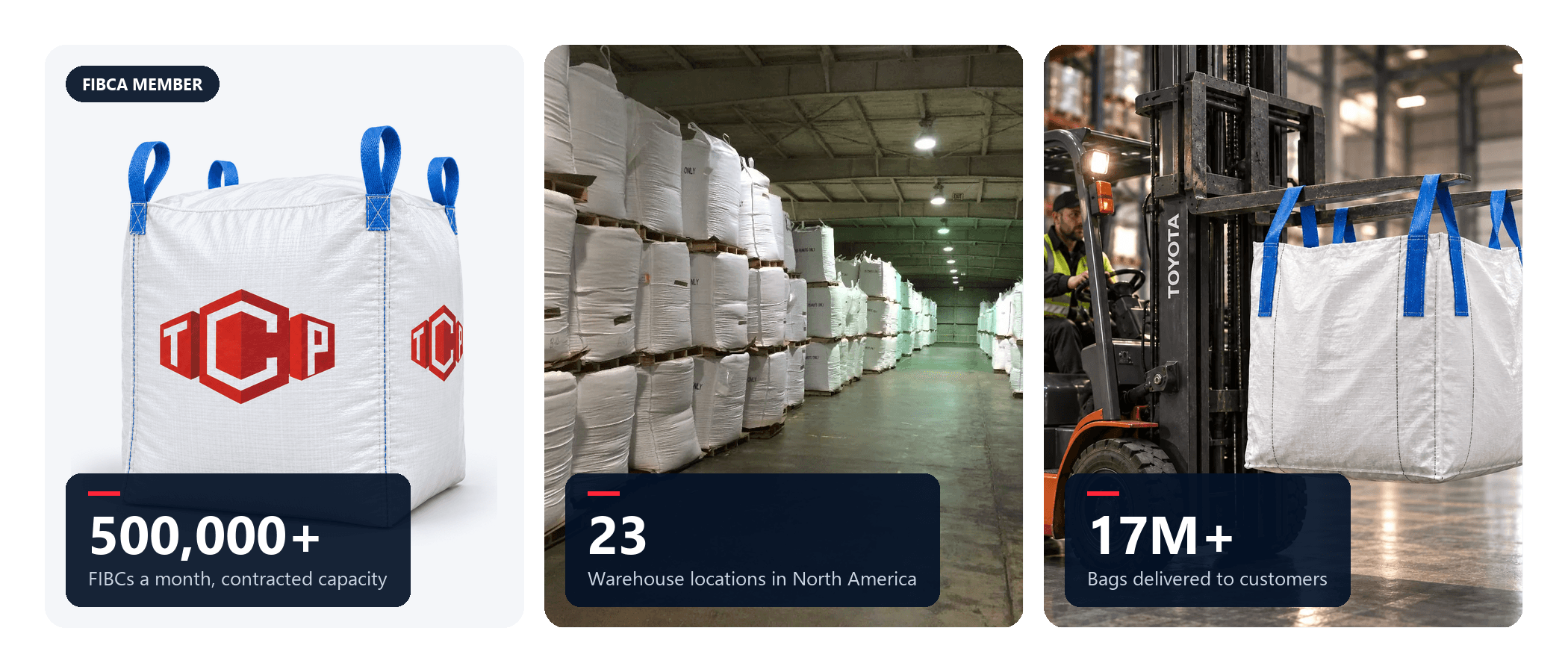
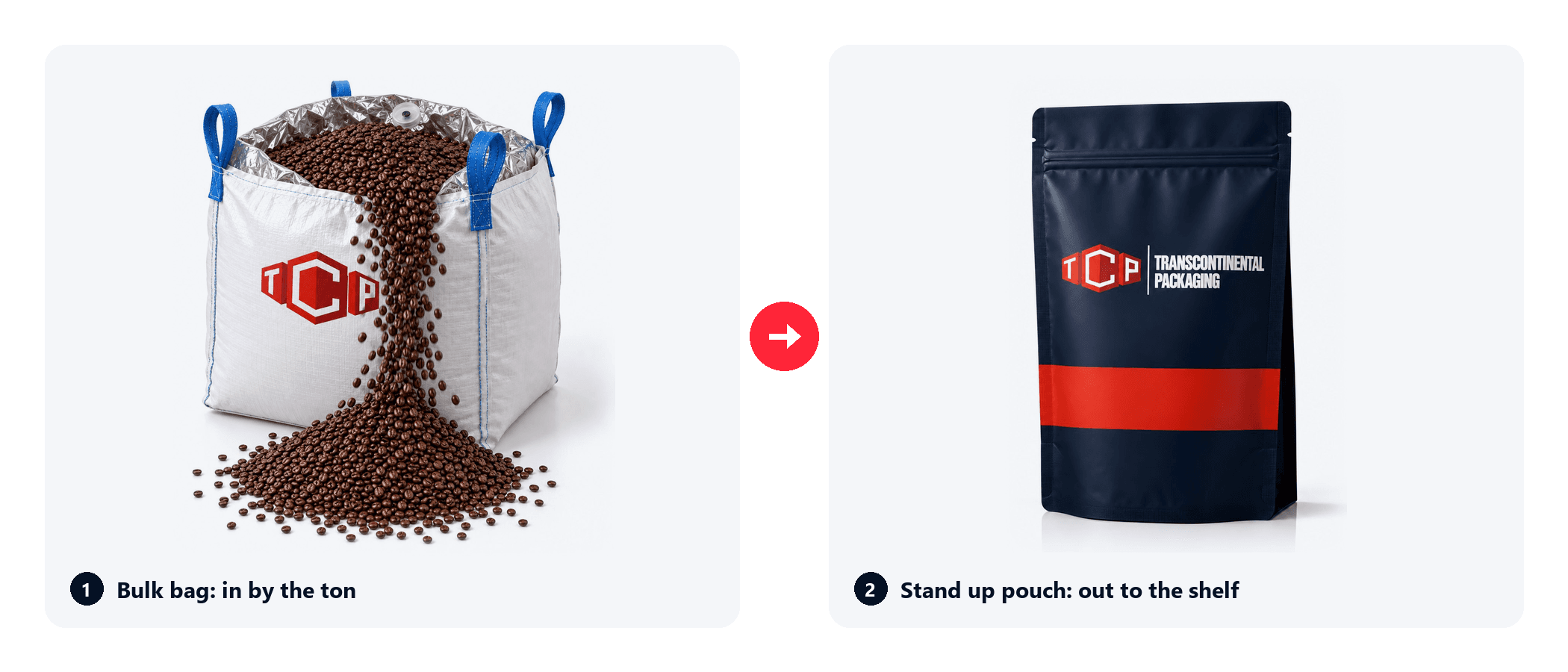
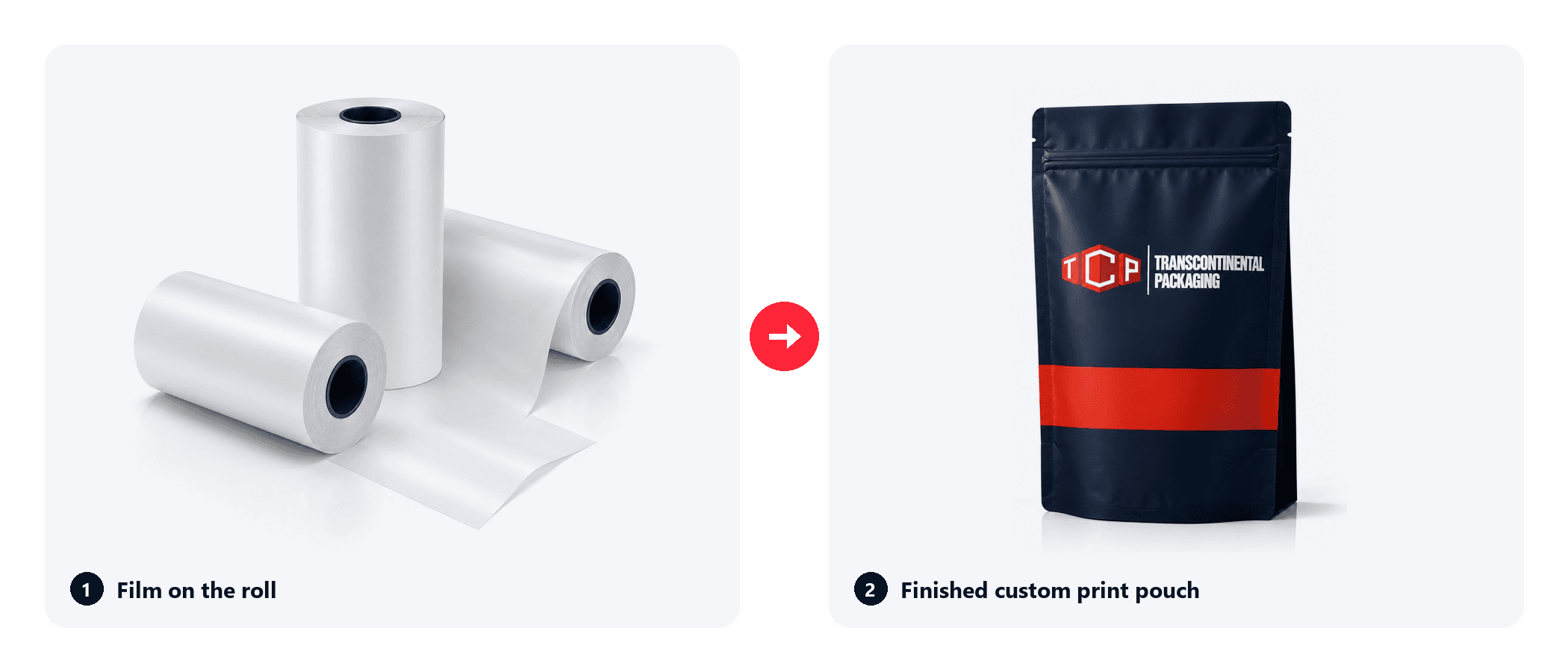
Gusseted woven sacks suit products sold or used in 25 kg or similar portions, moved by hand or stacked on pallets. Once you are moving the same product by the half ton or more, a bulk bag lifted by forklift usually costs less to fill, store and empty. Retail packs are different again: there, the gusset lives on a film pouch, which our post on gusseted and stand up pouches covers.
What B2B buyers should put on the order
B2B industrial packaging lives or dies on repeat orders that match the last one. Before you ask for prices, pin down:
- The product and the fill weight per sack, with units.
- Valve or open-mouth, and how your line fills and closes the bag.
- Bag size, plus the gusset width if you want one.
- Coated or uncoated fabric, and food or non-food grade.
- Print artwork and any handle or micro-perforation.
- Annual volume, so the order can be planned as a stock program rather than one-off runs.
Volume is where a supplier earns its keep. Our manufacturing partners support production of more than 4.5 million valve bags a month, so a regular monthly reorder can run on stock while special builds are made to order. Send us your spec, or a sample of the sack you use now, and we will come back with a matching build. If you already know what you need, request a quote directly.
Related pages: the woven sacks and bulk bags we supply for animal nutrition, minerals, chemical and resin customers.
Explore our packaging product range or visit the Transcontinental Packaging homepage to learn about our company and the industries we serve.