Published on
Buying Bags and Pouches for Your US Business: Plan the Order Before You Compare Prices
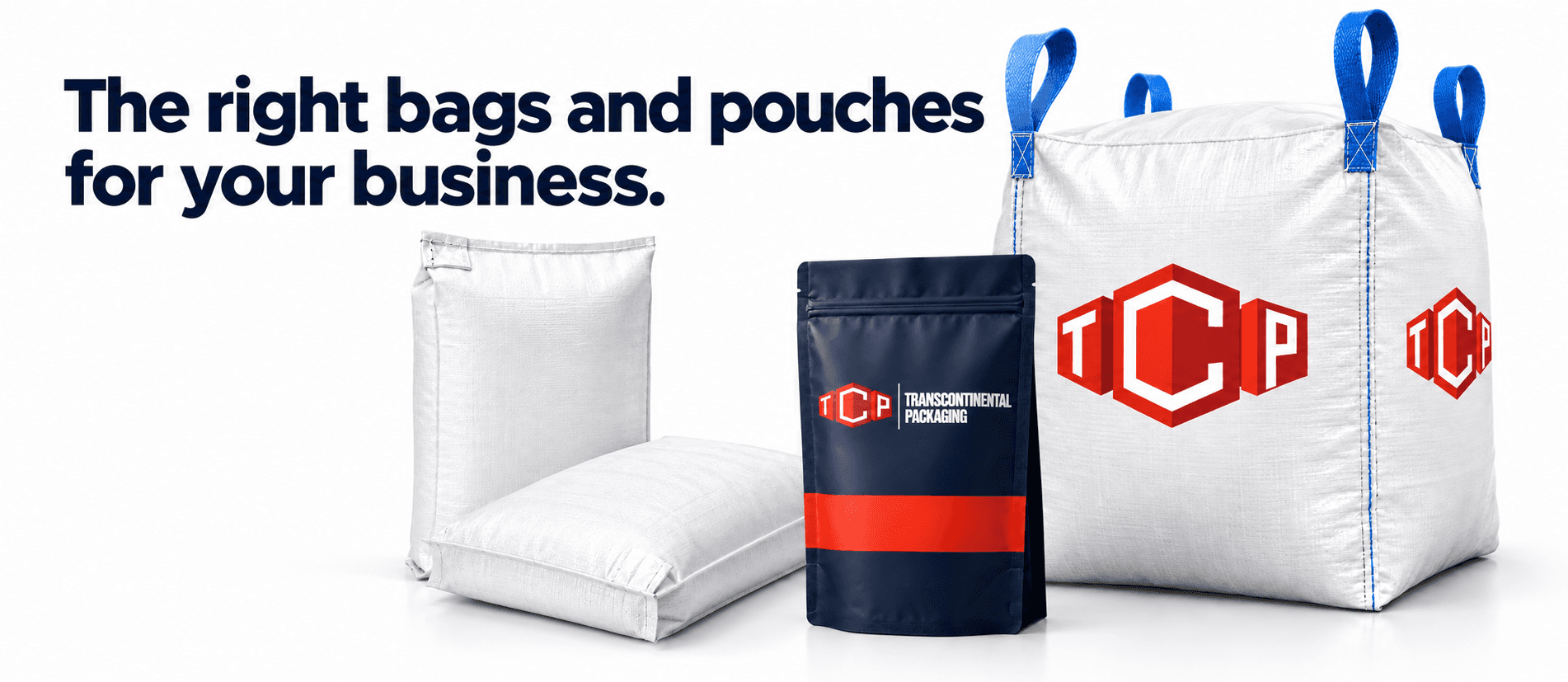
The purchasing team wants a price. Production wants a bag that works on the filling line. Receiving wants to know how much space the delivery will take. A packaging order has to answer all three, and the cheapest quote does not always tell you enough to do that.
Before requesting prices, decide what the packaging must do and how you will buy it. Are you moving ingredients into a plant, shipping smaller sacks to trade customers, or packing a finished product for a store shelf? You may need more than one format, but each needs its own specification. This guide focuses on the ordering decisions that connect those formats, from the first sample to a repeat delivery in the United States.
Start with the load and the filling line
Write down the product, the fill weight and what happens after filling. A powder going into a mixer creates a different brief from coffee heading to a retailer. Include the equipment your team already uses; a packaging change can create extra work if nobody checks how it fits the line.
| Your operation | Format to discuss | First detail to confirm |
|---|---|---|
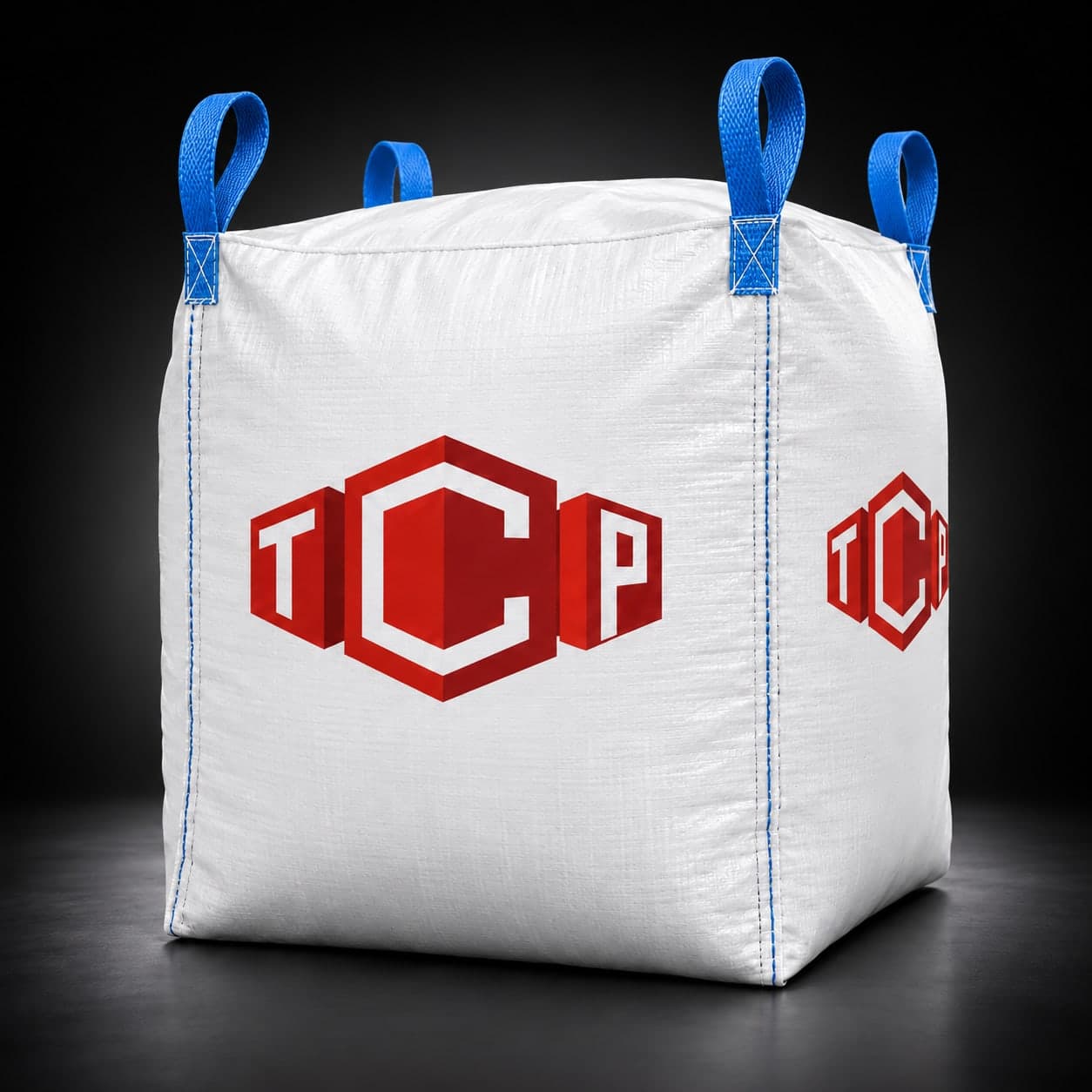
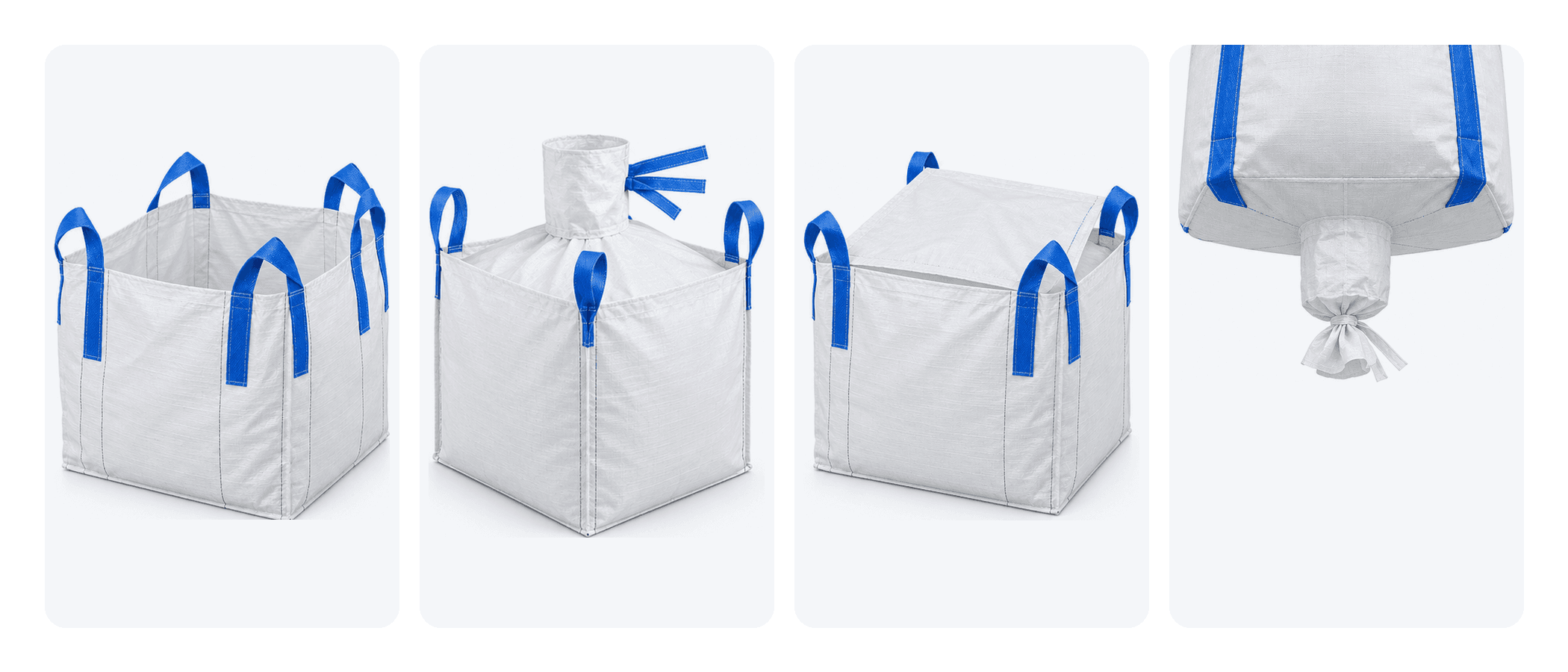
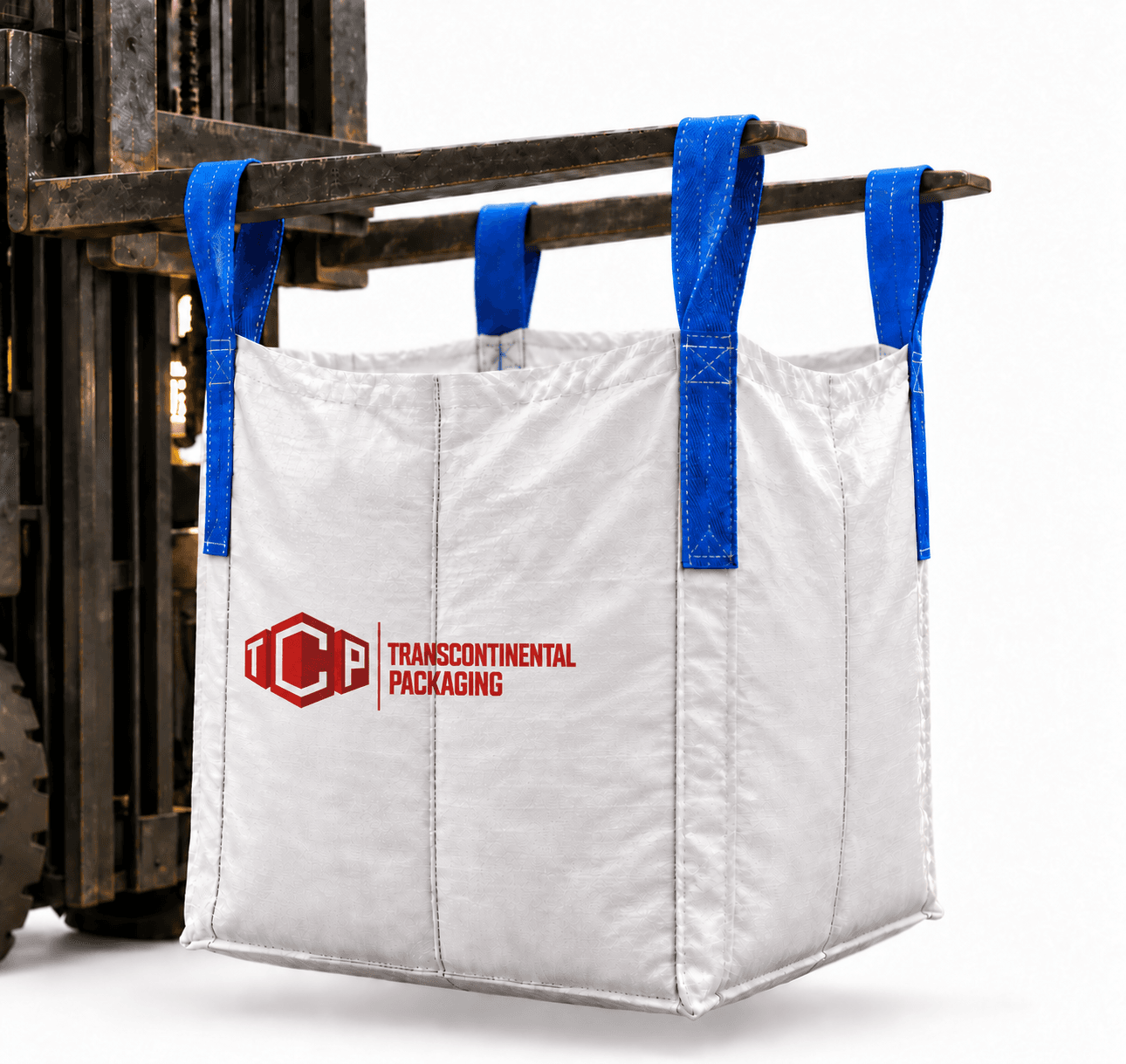
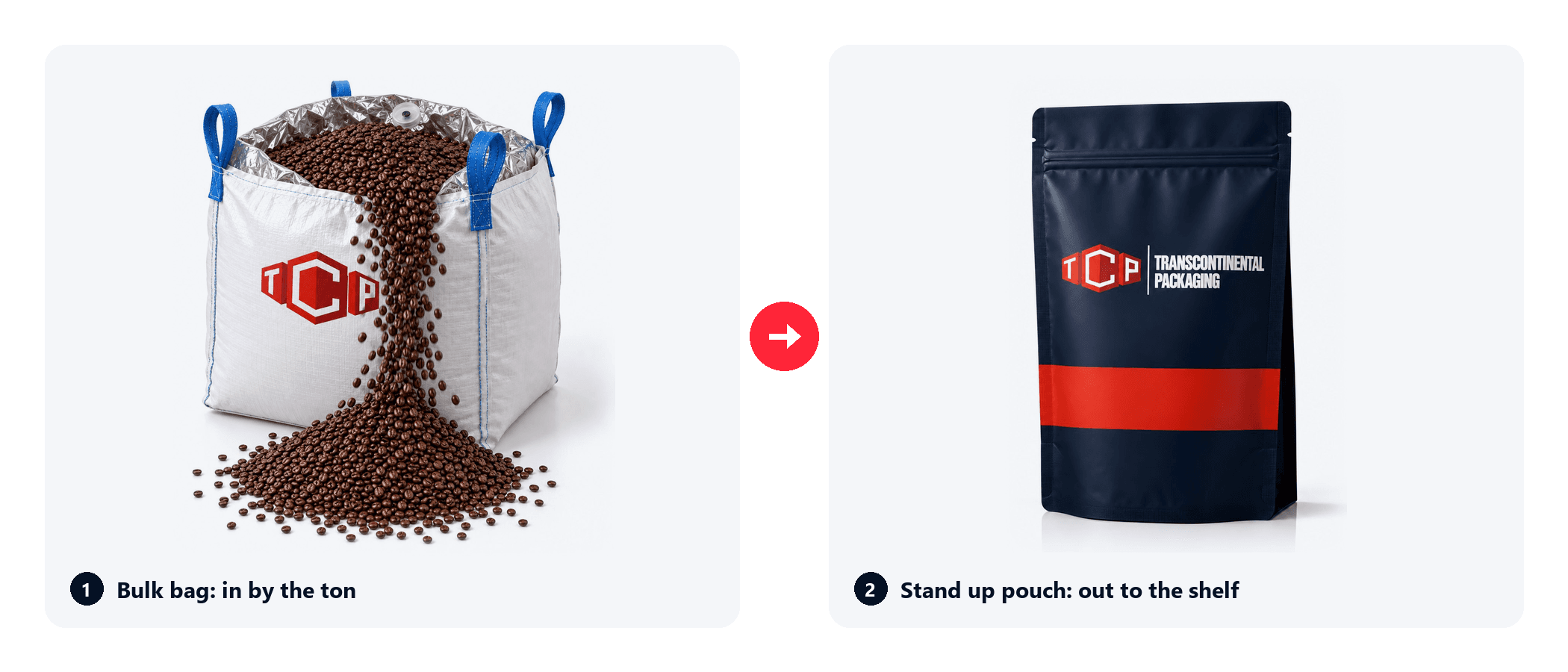
| Moving larger loads of dry material | FIBC bulk bags | Fill weight, handling and discharge arrangement |
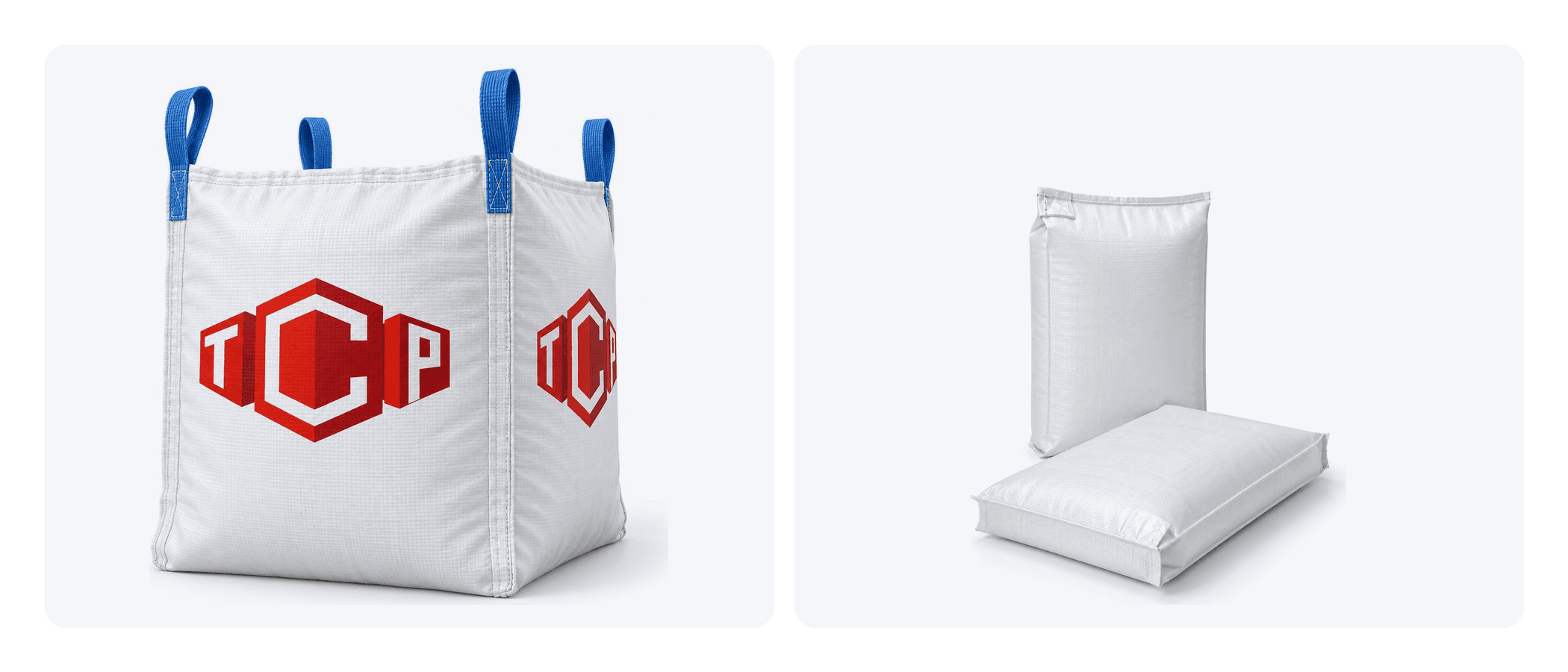
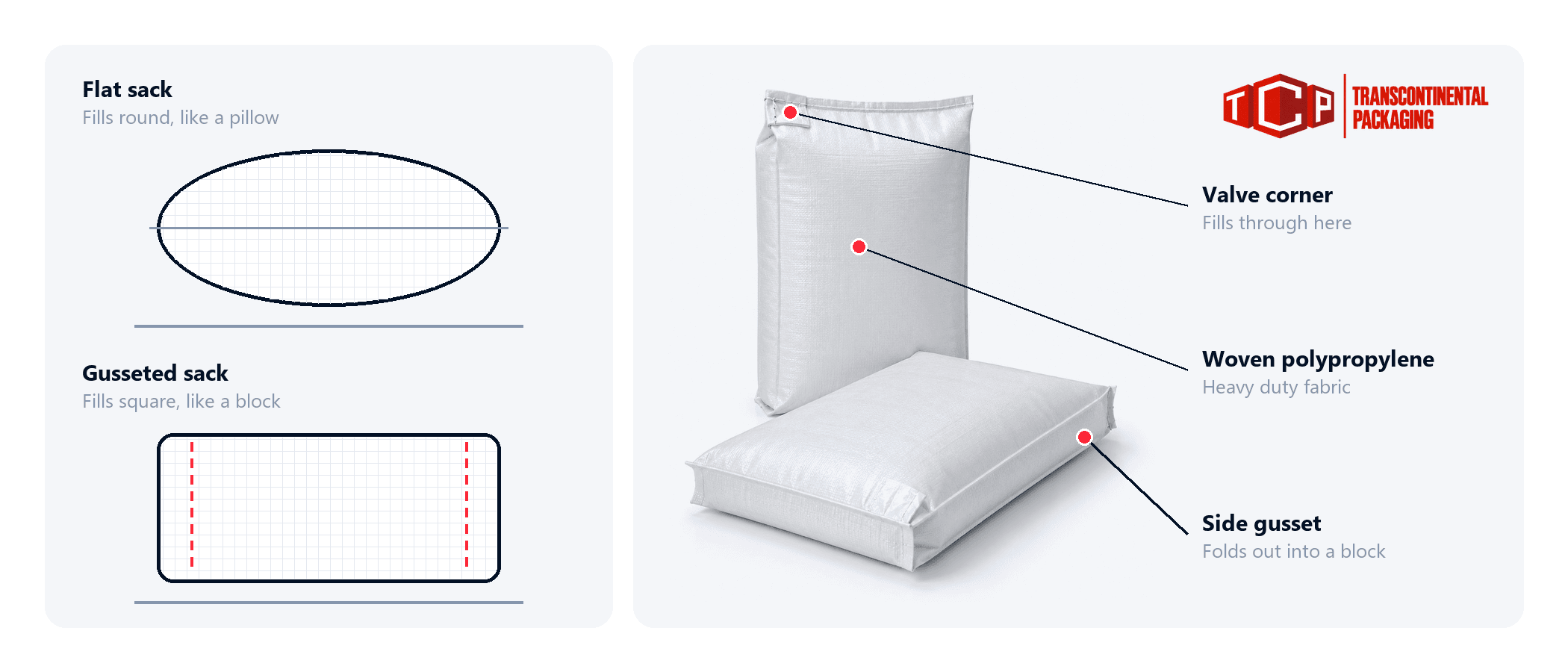
| Packing smaller trade units | Woven polypropylene sacks | Bag dimensions and filling and closing method |
| Using a valve filling machine | PP valve bags | Compatibility with the filling spout and product |
| Packing a branded retail product | Stand-up pouches | Fill volume, barrier needs, closure and artwork |
These formats are a starting point for a conversation, not interchangeable options. Ask the supplier to review the product and equipment before approving a design.
What to ask industrial bulk bag suppliers
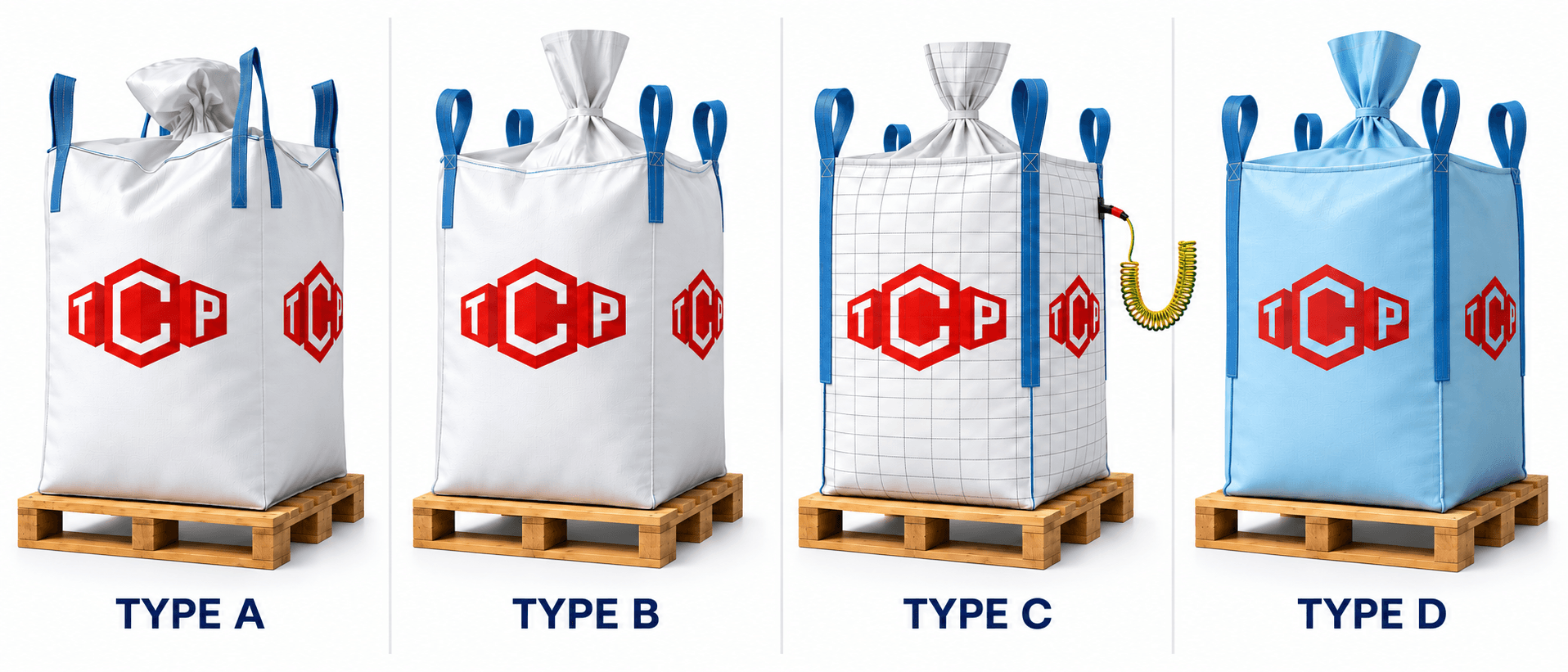
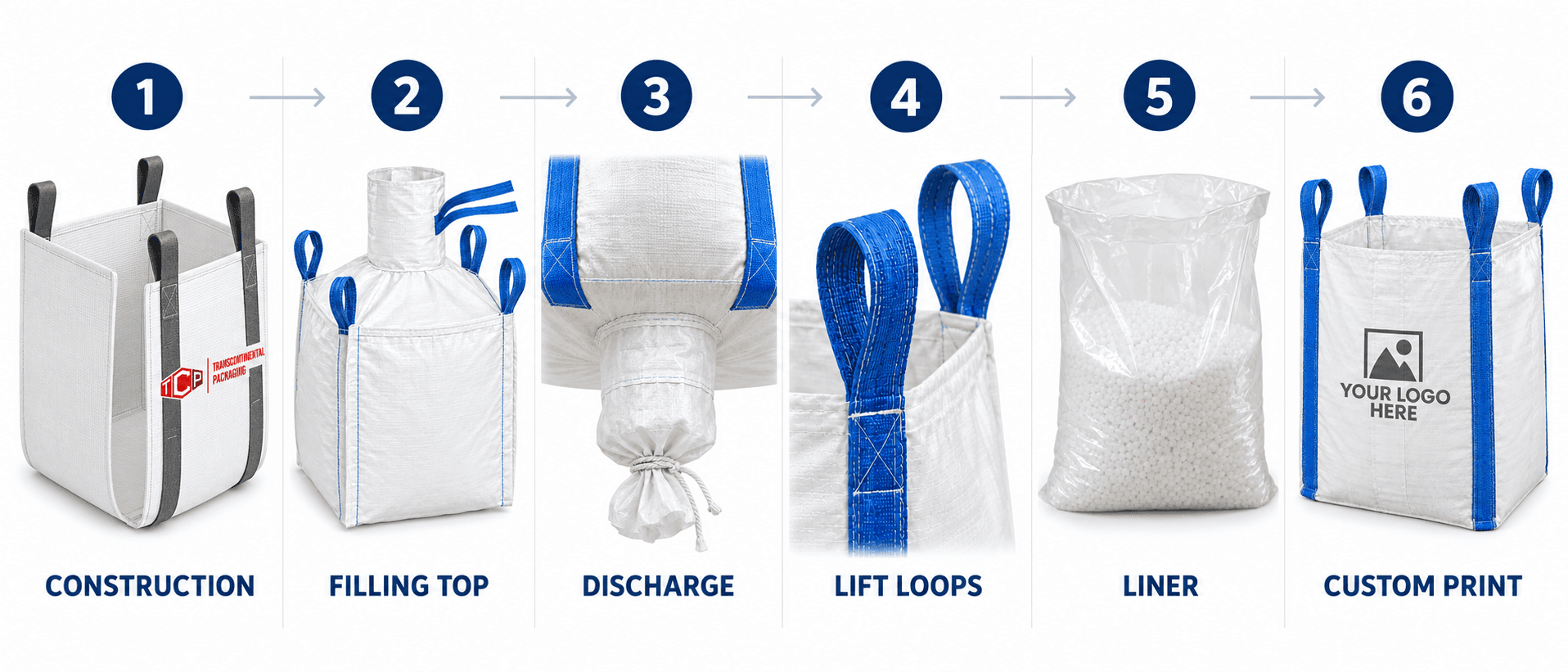
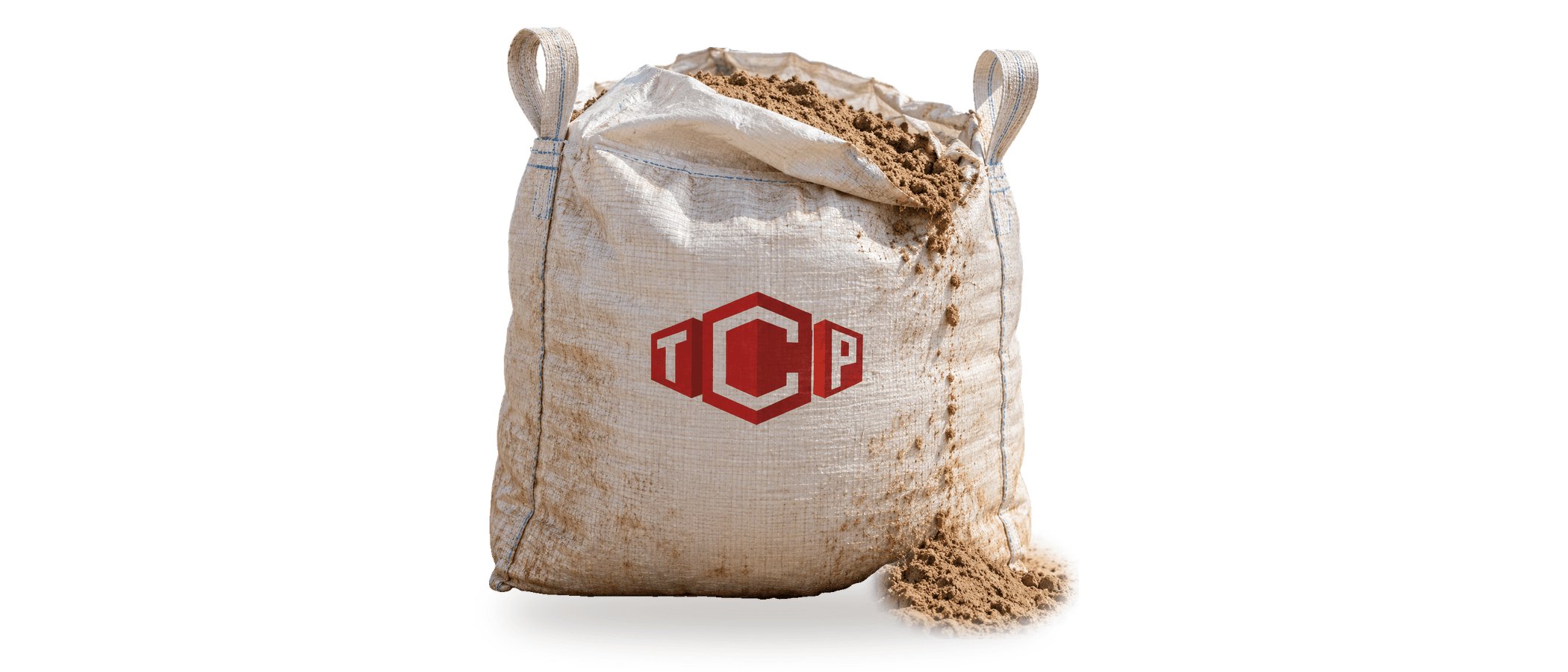
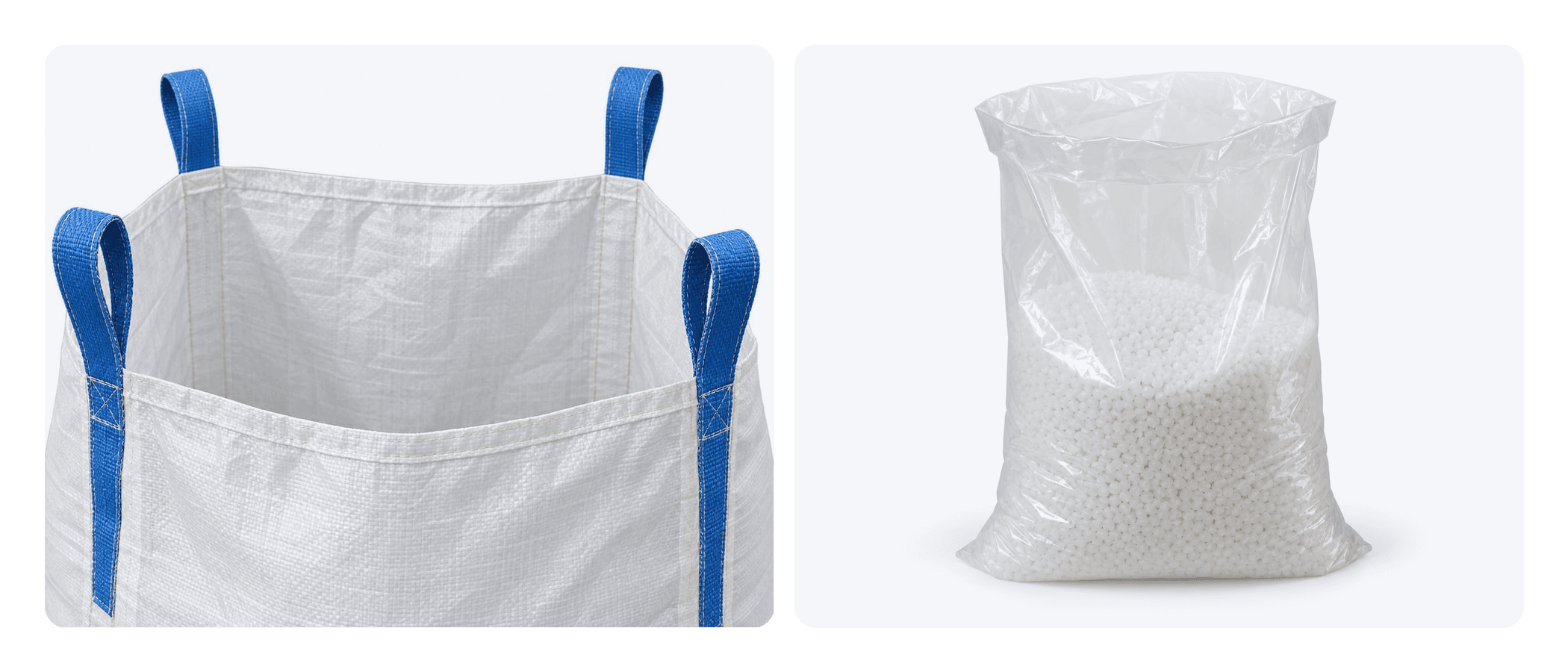
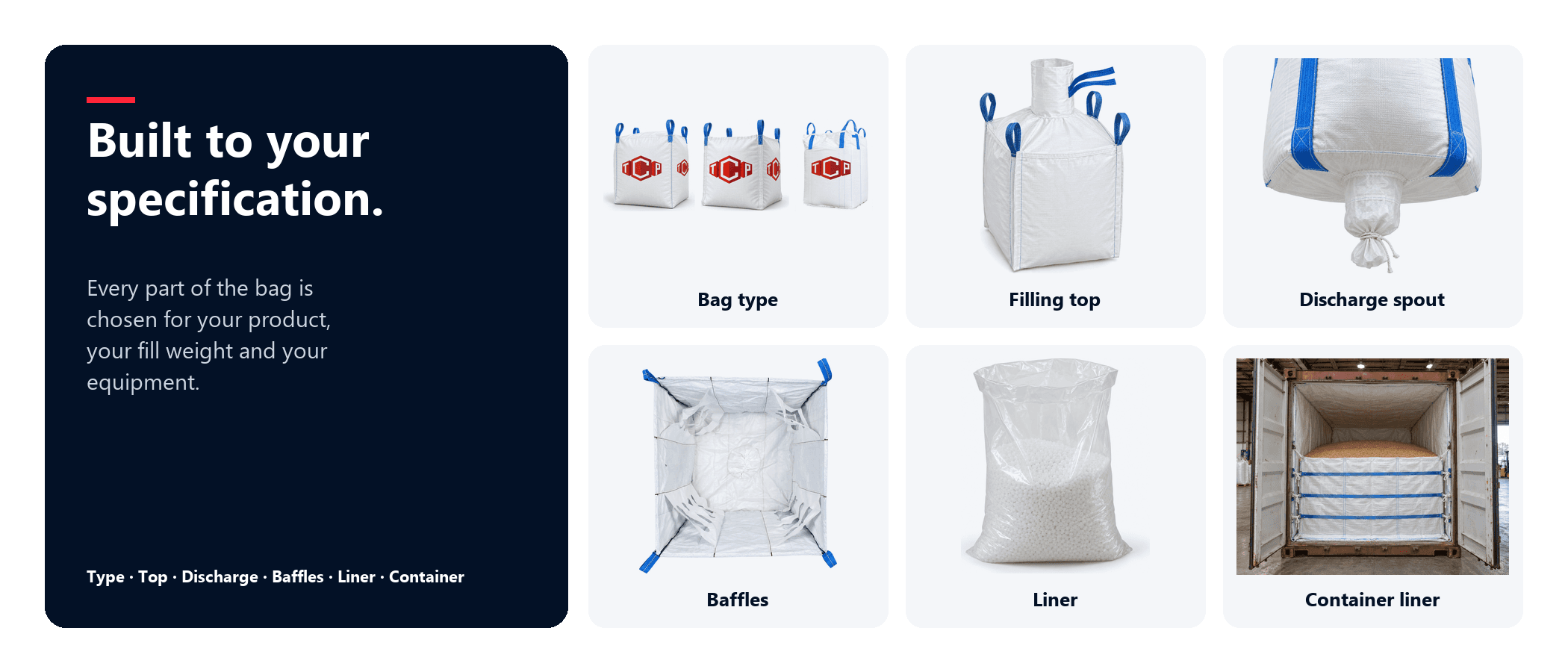
When comparing industrial bulk bag suppliers, ask who will turn your operating requirements into an approved bag specification. A familiar-looking FIBC is not enough: its rated load, openings, lifting arrangement and liner must suit the job. Explain the material and any dust, static or product-contact requirements so the appropriate design can be reviewed.
Then ask what happens when something changes. If your team needs a different discharge opening halfway through a supply program, who updates the drawing, approves the sample and confirms which delivery will contain the revised bags? Put that process in writing before the first order. Our bulk bag specification checklist covers the technical brief in more detail.
Buying woven polypropylene bags wholesale
Buying woven polypropylene bags wholesale is partly an inventory decision. A larger order may look attractive on a unit-price comparison, but it also needs storage space and ties up money until the bags are used. Give the supplier your expected monthly use as well as the quantity you want quoted.
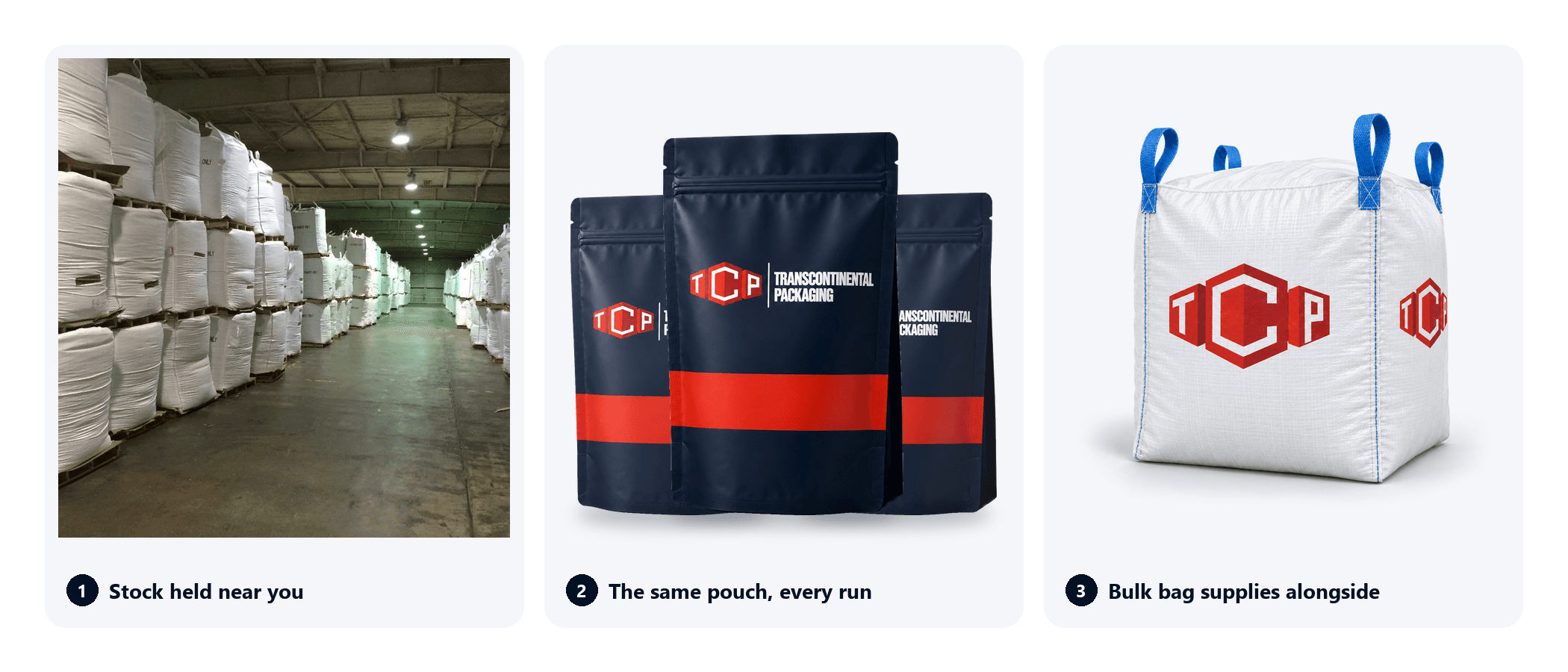
Ask whether the proposal covers one shipment or a series of releases, and whether that arrangement is available for your specification. Confirm who holds the stock, how releases are requested and what happens if demand changes. Do not assume that a wholesale price includes warehousing or scheduled deliveries.
- Specify dimensions, fill weight, fabric requirements and the closing method.
- Ask for the minimum order and pack quantities for the proposed design.
- Confirm whether printing, samples, freight and any setup charges are included.
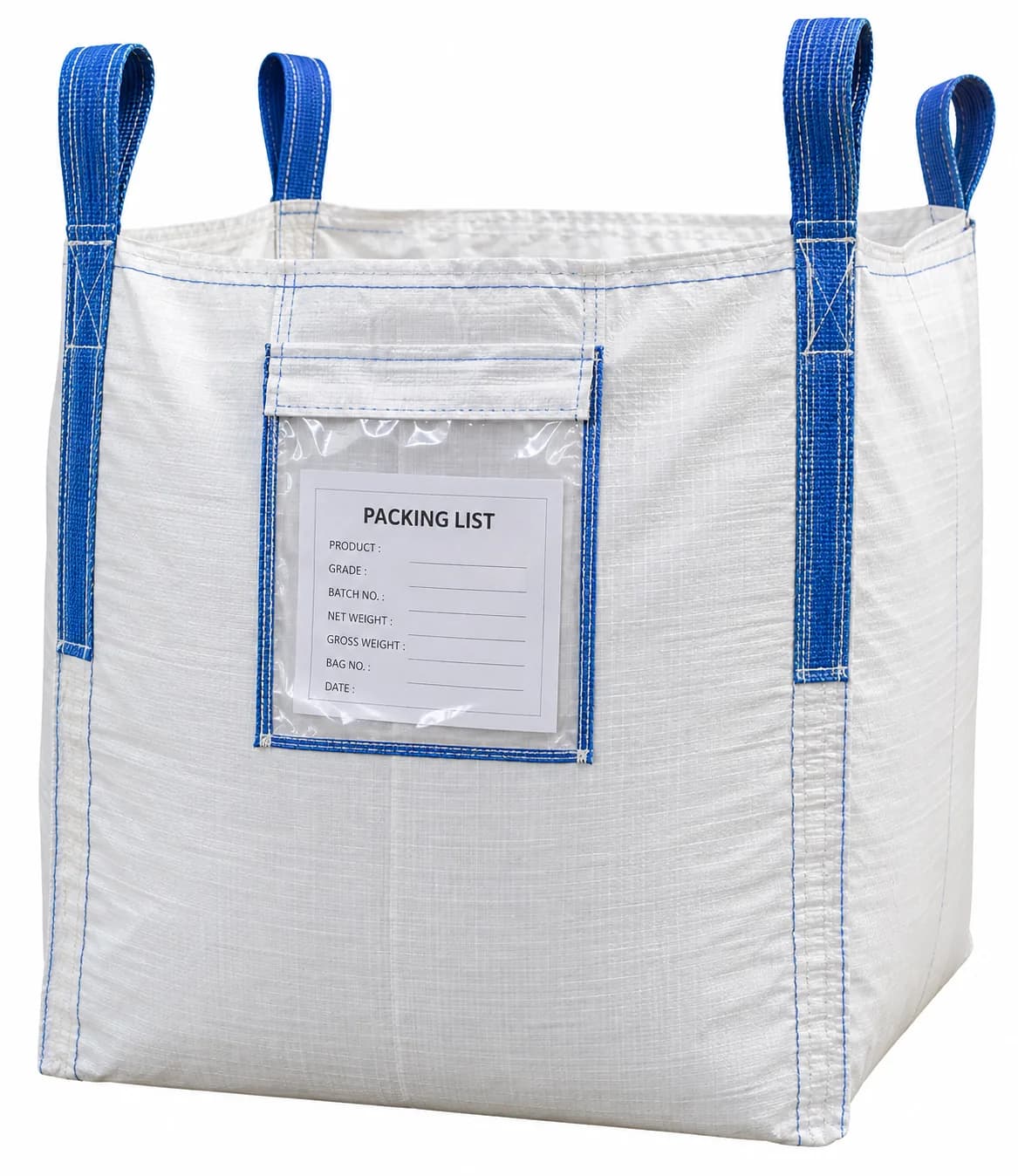
- Check the storage instructions and how deliveries will be packed and identified.
For construction and material choices, see our woven polypropylene bag guide. Use those choices to settle the specification before comparing order quantities.
PP valve bags: check the fit before the full run
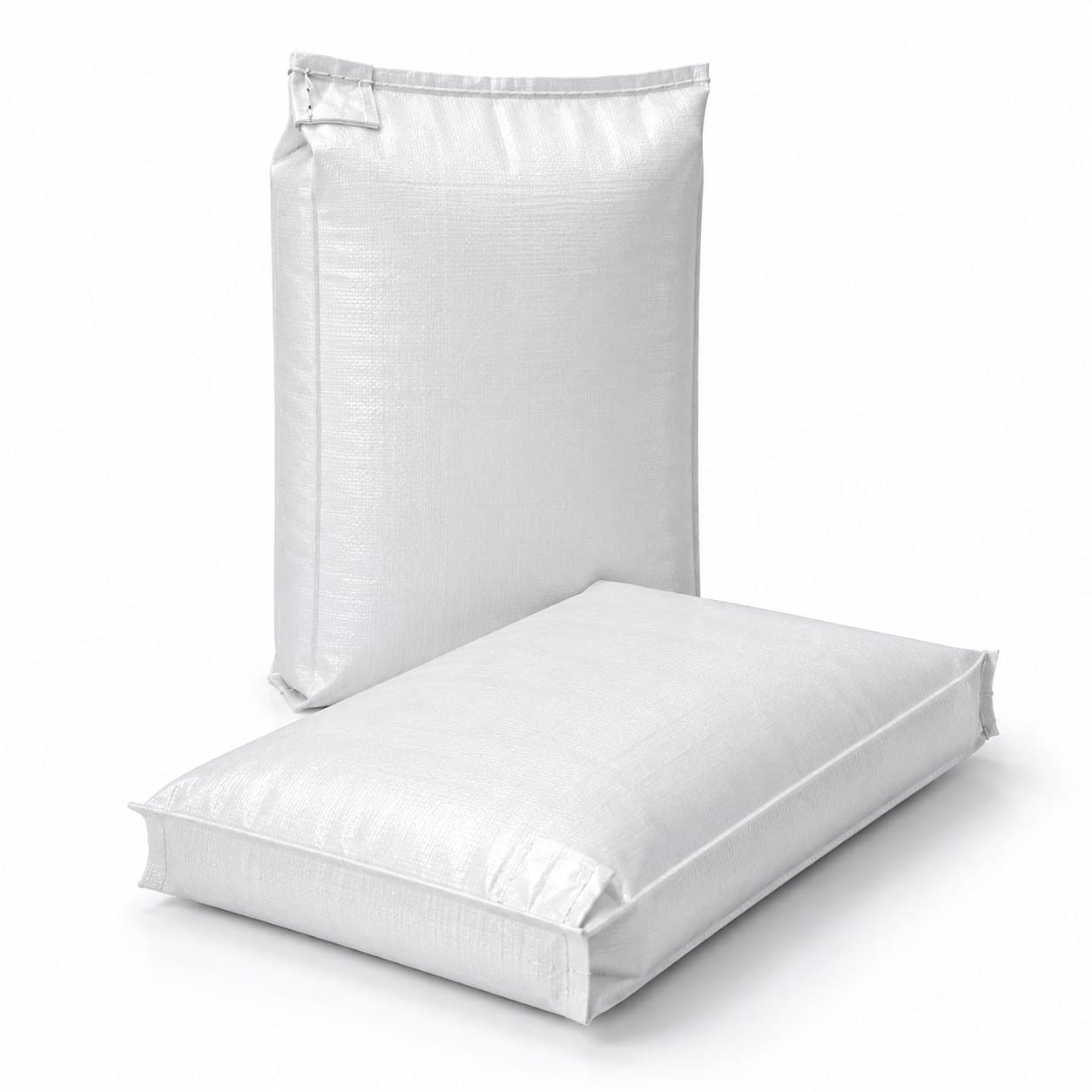
PP valve bags are woven polypropylene sacks filled through a valve opening. For a buyer, the important question is whether the proposed bag works with the product and the packer already in the plant. Share the filling machine details, spout dimensions, target fill weight and the way filled bags move down the line.
Arrange a sample review or filling trial with the supplier where appropriate. Watch the practical steps: how the empty bag mounts, how it fills, how the closure performs and how the filled sack travels to the pallet. Record the sample reference and any adjustments. Ask the supplier to confirm the closure requirements for that design rather than assuming every valve bag behaves the same way.
Our valve and woven sacks can be specified with different fabric, grade and print options. Availability and suitability should be confirmed against the order brief.
Stand up pouch custom printing: approve the pack before the artwork goes to press
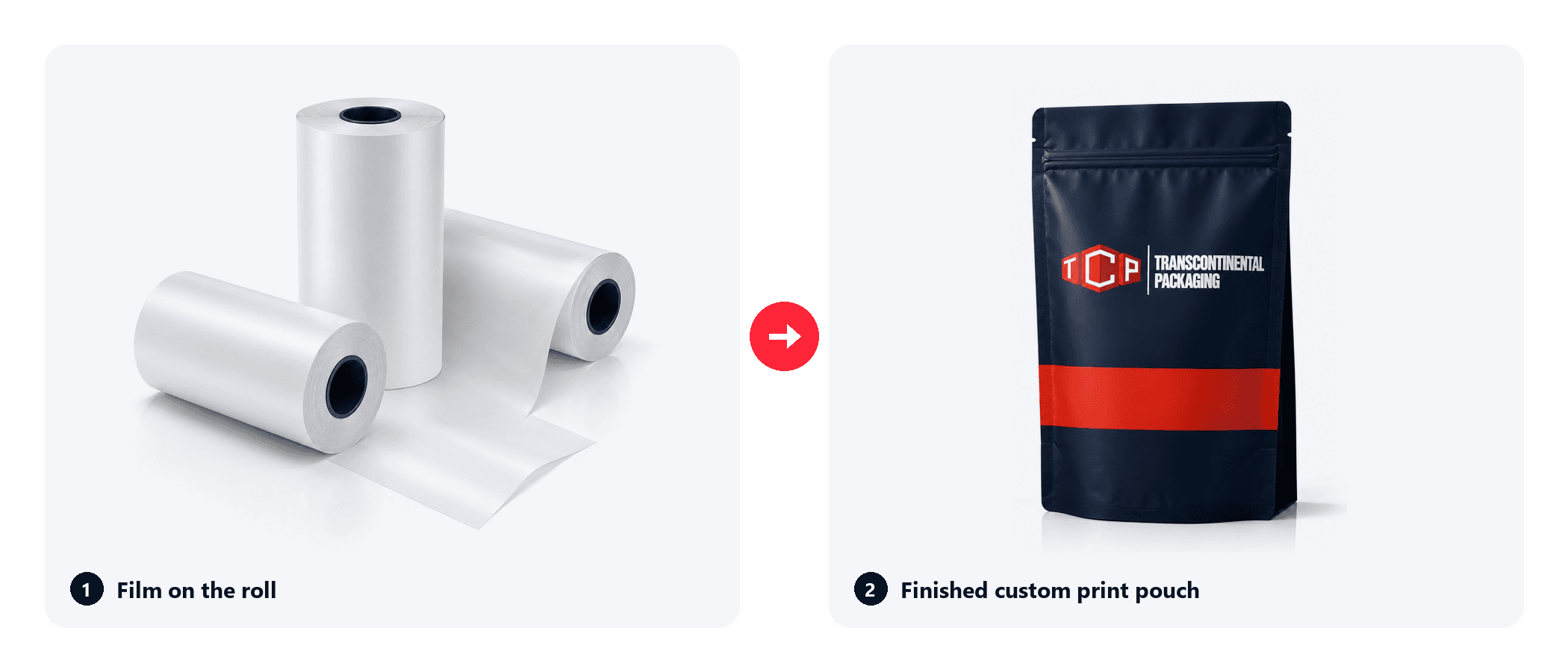
For stand up pouch custom printing, settle the pouch dimensions, structure and closure before signing off the artwork. An attractive design still needs room for the product information, barcode and date or lot coding your operation requires. The zipper, seals, window and folds also affect where the design can sit.
Send the supplier your product, intended fill quantity, shelf-life requirement and filling method. Request the agreed artwork template, then have the people responsible for packaging and labeling review the proof. If the packaging is for food, include the intended contact conditions and ask what supporting material documentation is available for the proposed structure.
Keep a record of what each approval covers. An artwork proof confirms different things from a physical pouch sample or a filling trial. Ask how print colors will be approved, whether a sample is available and what changes would trigger a fresh approval. Our custom-print pouch guide explains the format and print choices; the flexible pouches page sets out the configurable options.
Compare the cost delivered to your US site
A quote is easier to evaluate when the delivery assumptions are visible. Give each supplier the same delivery ZIP code, quantity and required arrival date. Ask where the goods will ship from and have production time shown separately from transit time. A US contact address alone does not tell you where a particular order is made or stocked.
| Item | What to get in writing |
|---|---|
| Delivered price | Bag or pouch price, setup charges, freight and additional delivery costs |
| Schedule | Approval deadline, production estimate, shipping origin and transit estimate |
| Receiving | Pack or pallet quantities, unloading requirements and delivery appointments |
| Order changes | Who approves revisions and how they affect price and timing |
| Repeat orders | Specification revision, artwork version and sample reference to reorder against |
Give the next order a clear starting point
After the first delivery, ask production and receiving what they would change. Was the pack quantity awkward? Did the bags feed as expected? Were the labels easy to match to the order? Keep that feedback with the approved specification so the next buyer does not have to reconstruct the decision from old emails.
Transcontinental Packaging is based in Houston and works with manufacturing partners to supply bulk bags and flexible packaging. Contact our team with the product, fill weight, expected order volume, delivery ZIP code and a photo or drawing of the packaging you use now. We can review the requirements and confirm the options, samples and delivery arrangements available for your order. Ready to put a price on it? Request a quote and we will come back with one for your specification.
Related products: U-panel bulk bags, container liners and roll stock film. See every sector we pack for on our industries page.
Explore our packaging product range or visit the Transcontinental Packaging homepage to learn about our company and the industries we serve.